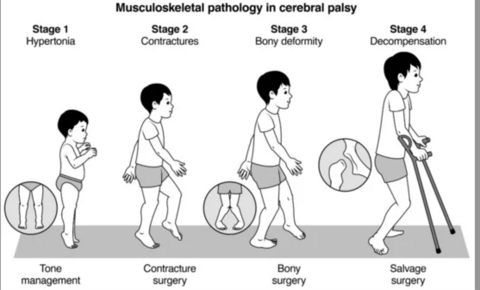
Dedicated to the unique challenges in growing patients, this research area aims to improve the functional outcomes of children affected by complex musculoskeletal disorders. The team develops and evaluates innovative surgical techniques and devices—such as reconstructive hip and spine procedures for children with cerebral palsy, and expansion thoracoplasty for early onset scoliosis—to address issues like spinal deformity and thoracic insufficiency. Utilizing advanced imaging (dynamic MRI, diffusion tensor imaging) and neurophysiological assessments (transcranial magnetic stimulation, magnetic encephalography), the studies examine not only the immediate surgical effects but also the long-term impact on lung development, spinal alignment, and even cortical reorganization. This holistic approach supports the optimization of surgical timing, device performance, and rehabilitation protocols, with the goal of enhancing quality of life and overall health outcomes in pediatric populations