Projects

Ongoing Research Projects
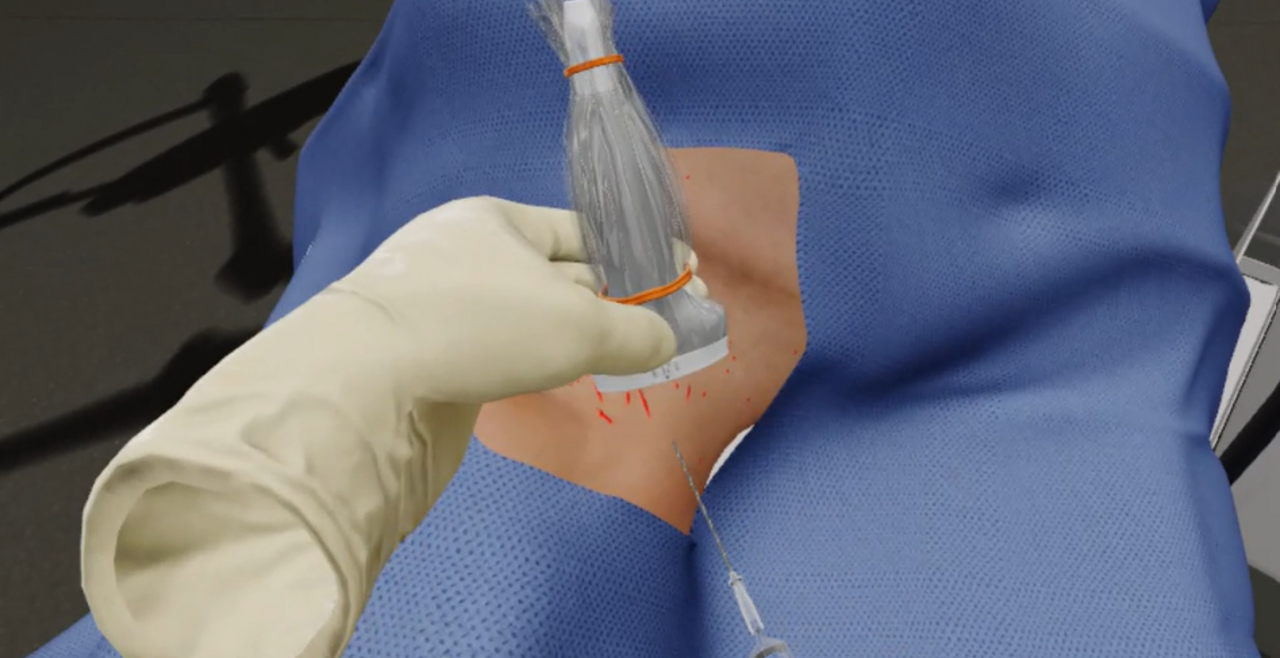
Motion Metrics for Measuring Automaticity of Ultrasound-Guided Needle Tracking Procedures (T32 Project)
PI: Jacqueline Hannan
- Data collection: recording hand motion metrics and eye tracking data of experts and novices, training novices up to automaticity, and measuring performance in the OR after training
- Data analysis: statistical comparison of motion metrics and eye tracking data in simulation and OR environments, survey perceptions
- Next Steps:
- Complete IRB review of protocol
- Purchase equipment and begin pilot testing for the study
- Collect data from experts and enroll novice cohort prior to relevant rotations
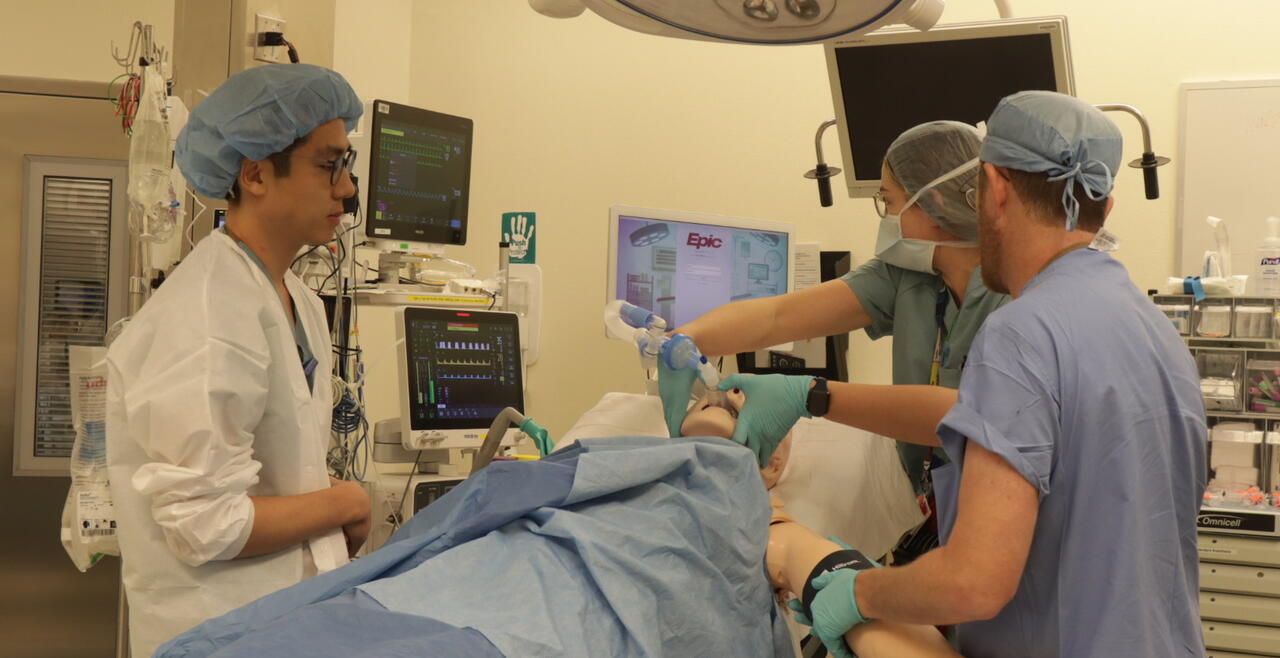
In Situ Simulation
PI: Nadav Levy
- Data collection: self-reflection surveys, audio recordings
- Data analysis: statistical evaluation of perceptions, correlating manikin data to perceived performance
- Next Steps:
- Updating survey tools and simulation scenarios
- Correlating scenarios to resident rotations
- Writing and publishing 2023-2025 reflection survey
Virtual Reality Training for CVL
PI: Sara Neves
- Data collection: performance surveys, perception surveys, VR data, recordings of CVL placements in the operating room
- Data analysis: anonymizing OR videos, statistical analysis of surveys, comparison of performance measures
- Next Steps:
- Updating protocol for next resident class
- Expanding study to include refresher training for attendings who do not work in cardiac spaces
- Writing and publishing results from 2023-2025 data collection
Rescue Ultrasound (RUS) Curriculum
PI: Ruma Bose
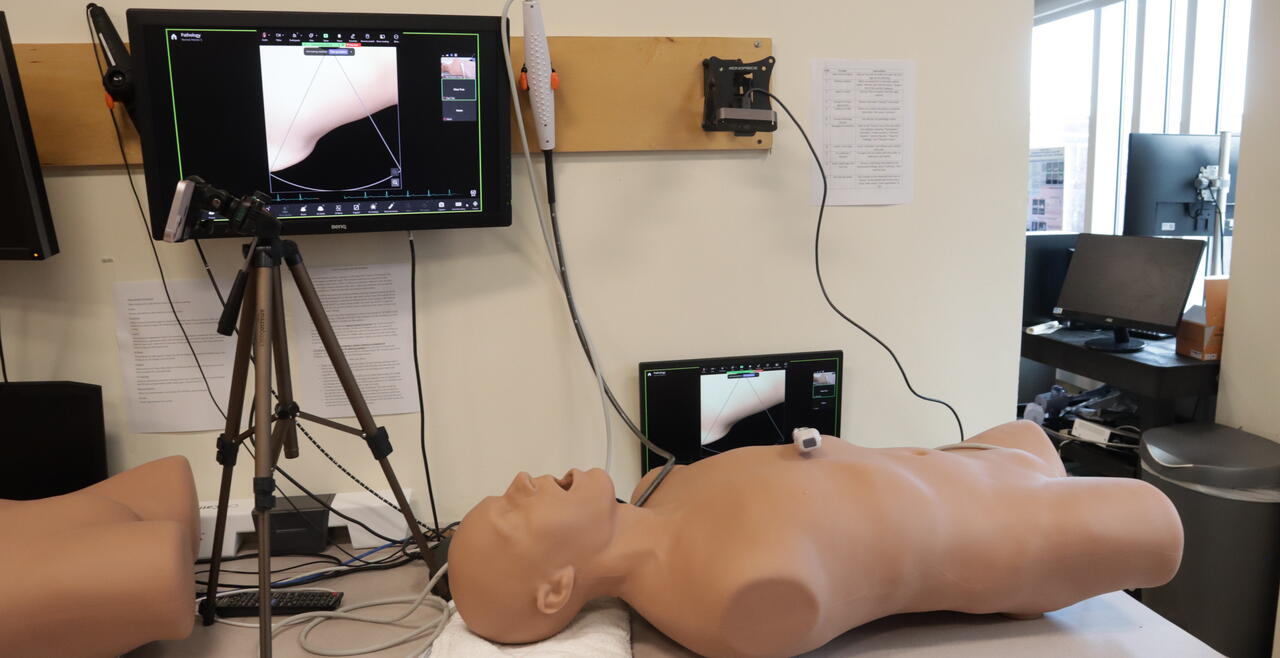
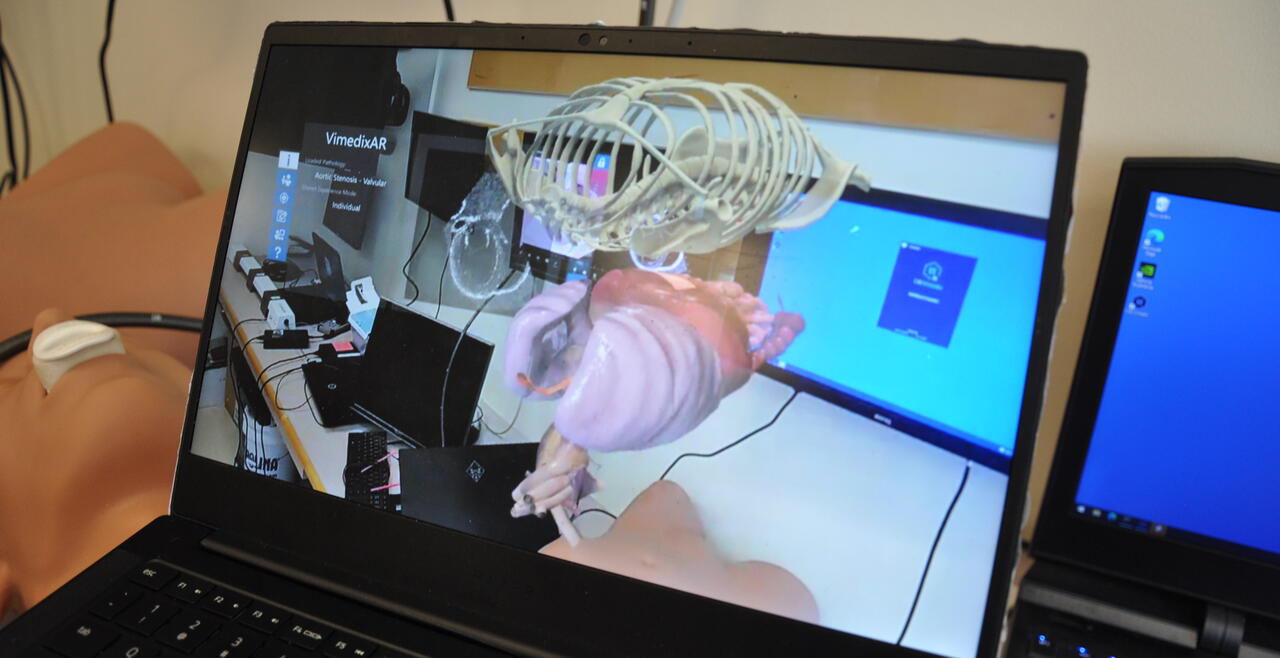
- Data collection: Vimedix motion metrics comparison between experts and novices, OSCE evaluations, survey responses
- Data analysis: statistical comparison of motion metrics and OSCE performance
- Next Steps:
- Collecting data from CA-2 and CA-3 classes for additional benchmarking of skills
- Expanding use of HoloLens system to simulate more complex cases
Improving Near Miss Identification
PI: Jacqueline Hannan
Collaborators: Liana Zucco, Richard Pollard
- Data collection: (Phase 1) survey department about near miss perceptions, observe near miss and no harm events in the OR, review M&Ms for causes
- Data analysis: categorizing survey responses, coding ethnographic data, and statistically comparing M&M reports to inform Phase 2 of the project
- Next Steps:
- Finish data collection for Phase 1 of the project
- Write and publish results from Phase 1
- (Phase 2) Use results to inform updates to Epic reporting functionality curriculum/presentation about how to identify and report near misses
Clinical Ultrasound Curriculum for Virtual Education in India
PI: Shweta Golhar
- Data collection: surveys, pre-test and post-test
- Data analysis: statistical evaluation of demographic information, correlating pre-test/post-test, and free-text response about the need for ultrasound education
- Next Steps:
- Updating curriculum for the next cohort
- Writing and publishing the curriculum, survey and assessment tests
Clinics in Medical Education Journal and Website Resources
CERTAIN Team Project
- Data collection: Articles and educational material for continued publishing and leading education resources
- Ongoing Work:
- Publish journal every other month with latest educational material and research
- Continue uploading resources to the website for educators to use and for medical professionals to learn from
- Work towards PubMed indexing for the journal
Master's Thesis Projects
Proficiency Index for Assessing Simulation Performance
Fellow: Dario Winterton
Program: Master's in medical education
- Evaluate performance along multiple key clinical skills to measure progress from in situ simulation practice
- Next Steps: Continue developing statistical approach for metrics of interest, collect data starting in August
Assessing Impact of Regional Block Training
Fellow: Federico Puerta Martinez
Program: Master’s in medical education
- Implement targeted training with task trainer for regional block and compare to traditional approach for regional training
- Next Steps: Finish IRB approval process, begin collecting data this academic year
Simulation for Emergency Medicine
Program: Simulation Fellowship with CMS
- Design and implement training interventions and simulation for disaster management and leadership in the emergency department
- Next Steps: Meet with emergency department team and continue developing metrics of interest for project
Using Artificial Intelligence to Provide Structured Simulation Feedback
PI: Nadav Levy
- Data collection: Audio recordings from in situ simulation
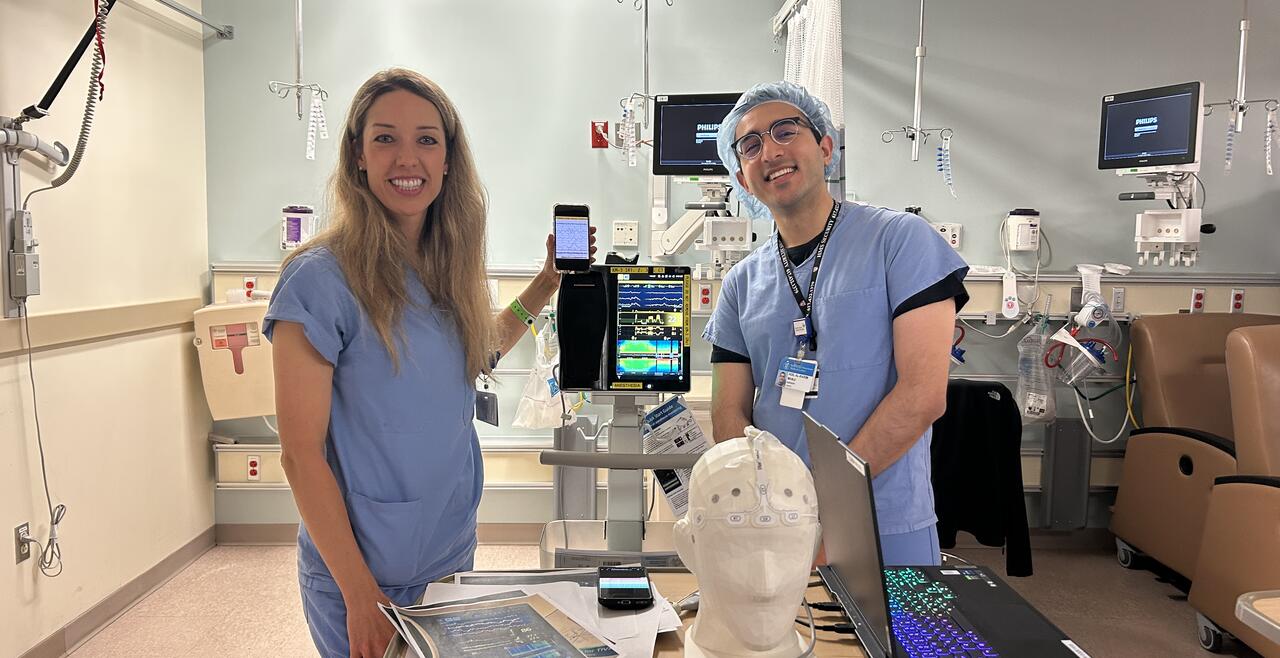
- Data analysis: Using AI models to produce structured feedback and a performance score based on audio transcripts
- Next Steps:
- Continue refining AI model output as preliminary data for grant
- Compose grant application for FAER and submit for the upcoming cycle
- Start data collection and analysis during upcoming academic year
Using Virtual Reality to Maintain Mastery of Skills
CERTAIN Team Project
- Data collection: Enroll anesthesia attendings to routinely practice CVL placement and cricothyroidotomy, along with other skills as modules develop
- Next Steps:
- Determine metrics of analysis for VR training and benchmarking
- Identify attendings who do not routinely work in areas of VR training to enroll in study
Ongoing Education Projects and Support
Education Scholarly Program – Faculty CME course delivering the latest content on training clinicians, specifically focusing on mentorship and perioperative teaching in the upcoming academic year.
Monthly Grand Rounds Workshops – hosted by the education division on topics spanning new technology applications, teaching methods, and various clinical themes.
Clinics in Medical Education journal – creation and curation of materials and publication every other month for dissemination broadly.
Ultrasound Classes and Resources – produce and maintain a broad range of teaching materials detailing the use of ultrasound for multiple clinical areas and offer courses on the use of various ultrasound tools (materials available on website).
Airway Ultrasound and Cricothyroidotomy Resources – develop modules and informational resources for performing airway ultrasound and emergency front of neck access procedures.
Maintain Clinics in Medical Education Website – provides materials broadly for education, teaching, and sharing of anesthesia education knowledge.
Weekly Tuesday Education (TED) Sessions – supporting teaching of procedural content and provide structured resident education.
3D Organon Project and Neuraxial Master Class – supporting ongoing work with immersive technologies for enhanced teaching.
3D Printing for Projects – maintain skills to support 3D printing of unique models and resources for ongoing education projects.
Grant Writing Support – staff members support clinicians interested in submitting grants for education research projects and assist with writing and constructing applications.

