

Research
Our Research
Advancing therapies, through Electrophysiology, to understanding Neuroscience
By testing novel therapeutics informed by the brain's electrophysiology, we aim to improve our understanding of the neuroscience of psychosis

Neuroscience
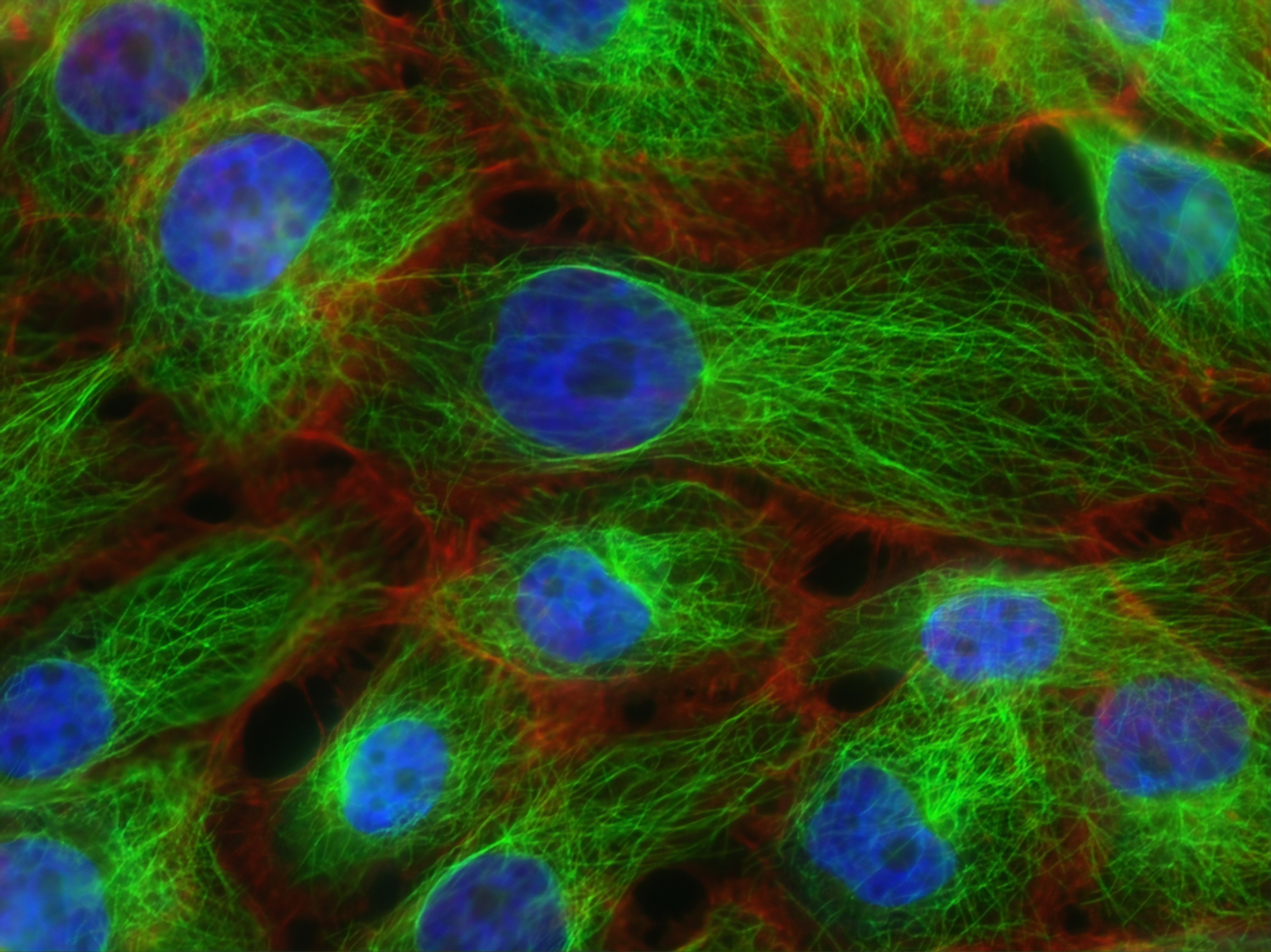
The human brain consists of approximately 80 billion neurons. Together, they make up our thoughts and feelings, are responsible for our actions, and how we perceive the world. Understanding their connections and how they work together to give rise to our complex experience is core to our research. In the NET Lab, we are particularly interested in understanding the neuroscience of social processing and emotional perception, and how they might go awry in psychosis.
Electrophysiology
In the NET Lab, we use tools to measure the electrophysiology of the brain. In particular, we use electroencephalography (EEG), a noninvasive and easy to administer method to measure the electrical activity of the cells in the brain. With this technique, we can examine what electrical markers are important for recognizing faces or healthy social interaction.

Therapeutics
Our goal is to contribute towards better, novel therapies for schizophrenia, psychosis, and related conditions. To do this, we are testing how transcranial direct current stimulation can improve social and face processing by applying it to regions of the brain we identify are functional abnormally in individuals with psychosis. Through this, we hope to help those for whom other treatments do not work.

