

What the Nose Knows:
About the Study

This is the first study to examine the predictive utility of olfactory hedonic measurement for targeted psychosocial rehabilitation in schizophrenia. Specifically, our primary aim is to determine if hedonic (pleasantness) ratings of different smells predict how much people with schizophrenia-spectrum conditions benefit from the two evidence-based psychosocial interventions—Cognitive Enhancement Therapy (CET) and a form of Social Skills Training (SST) called Helping Ourselves Perceive and Experience Success (HOPES)—that they receive through their participation in Project SUCCESS. The information gathered from the project is of considerable public health relevance, in that, through simple, reliable smell assessment, it will provide knowledge about which individuals are most likely to benefit from these psychosocial interventions. Secondarily, we are also investigating the relationship between the hedonic smell ratings, the ability to experience pleasure from various activities, and clinical symptoms. Finally, we seek to analyze how medication type, clozapine or other antipsychotic medications, may interact with hedonic smell ratings to influence CET and SST outcomes. Findings from this project will help in tailoring existing treatments and developing new approaches to improve outcomes in individuals with schizophrenia-spectrum conditions.
Methodology
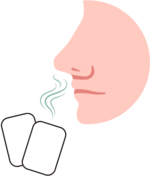
This study is linked to Project SUCCESS; invitation to partake in this study is extended to Project SUCCESS participants. The study aims to recruit 116 people, in which each individual will undergo an 80-95 minute assessment via videoconferencing call. During the paid assessments, participants are asked to answer questions about mental health symptoms and functioning, take a brief computerized thinking task, and complete measures of smell abilities, including questions related to sense of smell, and a scratch and sniff test with ratings to identify different odors and describe the strength and pleasantness of the odors. This assessment will be repeated two additional times over the course of the study for a total of three times, each with 6-month intervals.
Funding
This study is being conducted by Raquelle I. Mesholam-Gately, Ph.D. and is funded by the National Institute of Mental Health (NIMH) (NIH R21 MH127479-01A1 / NCT05282186).

