

Research

Transcriptional Regulation of Human Leukocyte Antigen (HLA) Molecules
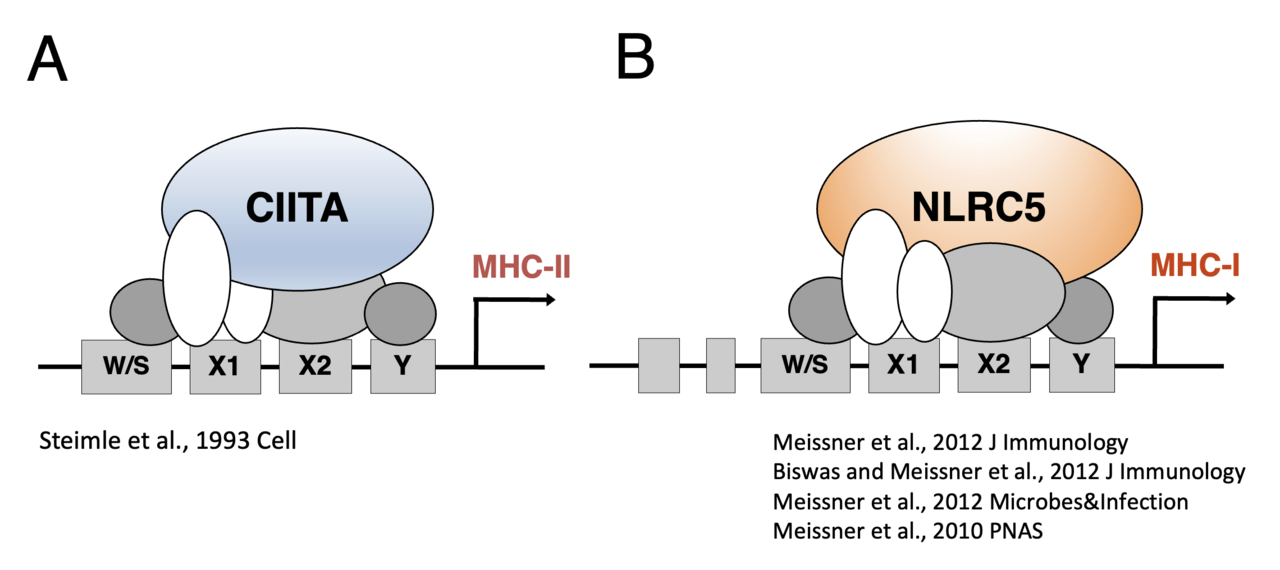
The Human Leukocyte Antigen (HLA) molecules form the immunological fingerprint of a cell and determine if a transplant is being rejected by the recipient's immune system. We hope by understanding how HLA molecules are regulated on the transcriptional level, we will be able to control their expression and mitigate rejection of cells used in cell therapy.

The Immunological Miracle of Pregnancy
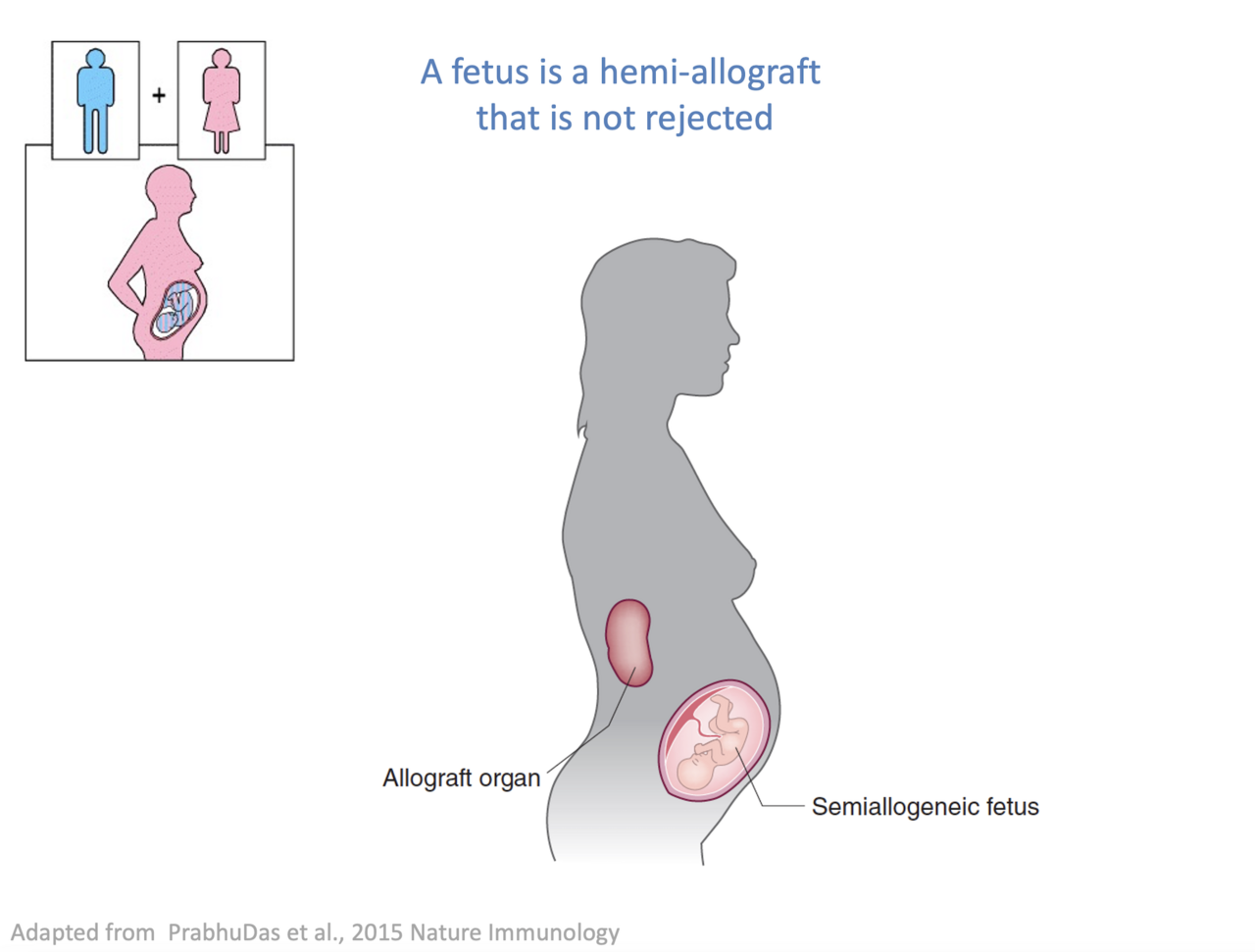
We still don't understand why a baby, which is only 50% identical with the mother, is not being rejected by the maternal immune system. Tolerance to the developing fetus is not systemic since a kidney transplant from the father would readily be rejected. We hope that by understanding how tolerance is established during pregnancy that we can leverage those mechanisms to prevent cell and organ transplants from immune rejection and thereby allowing a broader pool of patients to benefit from emerging cell therapies.


Universal Cells
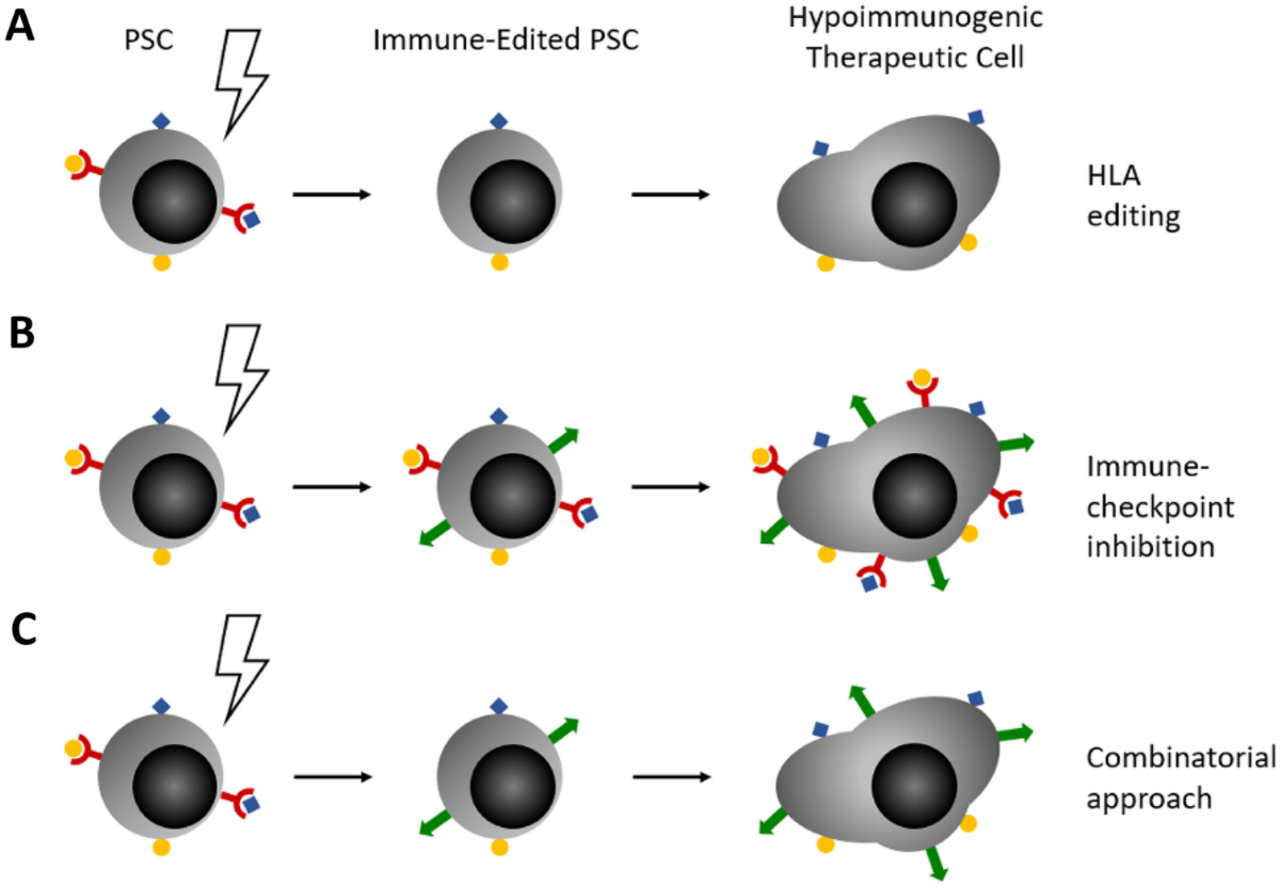
Curr Stem Cell Rep. 2022;8(4):206-218.

We employ cutting edge genome editing technologies to change the immunological fingerprint of induced pluripotent stem cells (iPSC). Such 'universal donor stem cells' can be differentiated into relevant therapeutic cell types and thus democratize access to cell therapy for everyone.

 

Recent Publications

  • Meissner, Torsten B, Henrike S Schulze, and Stanley M Dale. (2022) 2022. “Immune Editing: Overcoming Immune Barriers in Stem Cell Transplantation.”. Current Stem Cell Reports 8 (4): 206-18. https://doi.org/10.1007/s40778-022-00221-0.

    PURPOSE OF REVIEW: Human pluripotent stem cells have the potential to revolutionize the treatment of inborn and degenerative diseases, including aging and autoimmunity. A major barrier to their wider adoption in cell therapies is immune rejection. Genome editing allows for tinkering of the human genome in stem and progenitor cells and raises the prospect for overcoming the immune barriers to transplantation.

    RECENT FINDINGS: Initial attempts have focused primarily on the major histocompatibility barrier that is formed by the human leukocyte antigens (HLA). More recently, immune checkpoint inhibitors, such as PD-L1, CD47, or HLA-G, are being explored both, in the presence or absence of HLA, to mitigate immune rejection by the various cellular components of the immune system.

    SUMMARY: In this review, we discuss progress in surmounting immune barriers to cell transplantation, with a particular focus on genetic engineering of human pluripotent stem and progenitor cells and the therapeutic cell types derived from them.

  • Li, Qin, Torsten B Meissner, Fang Wang, Ziming Du, Sai Ma, Sarika Kshirsagar, Tamara Tilburgs, Jason D Buenrostro, Motonari Uesugi, and Jack L Strominger. (2021) 2021. “ELF3 Activated by a Superenhancer and an Autoregulatory Feedback Loop Is Required for High-Level HLA-C Expression on Extravillous Trophoblasts.”. Proceedings of the National Academy of Sciences of the United States of America 118 (9). https://doi.org/10.1073/pnas.2025512118.

    HLA-C arose during evolution of pregnancy in the great apes 10 to 15 million years ago. It has a dual function on placental extravillous trophoblasts (EVTs) as it contributes to both tolerance and immunity at the maternal-fetal interface. The mode of its regulation is of considerable interest in connection with the biology of pregnancy and pregnancy abnormalities. First-trimester primary EVTs in which HLA-C is highly expressed, as well as JEG3, an EVT model cell line, were employed. Single-cell RNA-seq data and quantitative PCR identified high expression of the transcription factor ELF3 in those cells. Chromatin immunoprecipitation (ChIP)-PCR confirmed that both ELF3 and MED1 bound to the proximal HLA-C promoter region. However, binding of RFX5 to this region was absent or severely reduced, and the adjacent HLA-B locus remained closed. Expression of HLA-C was inhibited by ELF3 small interfering RNAs (siRNAs) and by wrenchnolol treatment. Wrenchnolol is a cell-permeable synthetic organic molecule that mimics ELF3 and is relatively specific for binding to ELF3's coactivator, MED23, as our data also showed in JEG3. Moreover, the ELF3 gene is regulated by a superenhancer that spans more than 5 Mb, identified by assay for transposase-accessible chromatin using sequencing (ATAC-seq), as well as by its sensitivity to (+)-JQ1 (inhibitor of BRD4). ELF3 bound to its own promoter, thus creating an autoregulatory feedback loop that establishes expression of ELF3 and HLA-C in trophoblasts. Wrenchnolol blocked binding of MED23 to ELF3, thus disrupting the positive-feedback loop that drives ELF3 expression, with down-regulation of HLA-C expression as a consequence.

  • Van Zeebroeck, Lauren, Rebeca Arroyo Hornero, Beatriz F Côrte-Real, Ibrahim Hamad, Torsten B Meissner, and Markus Kleinewietfeld. (2021) 2021. “Fast and Efficient Genome Editing of Human FOXP3+ Regulatory T Cells.”. Frontiers in Immunology 12: 655122. https://doi.org/10.3389/fimmu.2021.655122.

    FOXP3+ regulatory T cells (Tregs) are central for maintaining peripheral tolerance and immune homeostasis. Because of their immunosuppressive characteristics, Tregs are a potential therapeutic target in various diseases such as autoimmunity, transplantation and infectious diseases like COVID-19. Numerous studies are currently exploring the potential of adoptive Treg therapy in different disease settings and novel genome editing techniques like CRISPR/Cas will likely widen possibilities to strengthen its efficacy. However, robust and expeditious protocols for genome editing of human Tregs are limited. Here, we describe a rapid and effective protocol for reaching high genome editing efficiencies in human Tregs without compromising cell integrity, suitable for potential therapeutic applications. By deletion of IL2RA encoding for IL-2 receptor α-chain (CD25) in Tregs, we demonstrated the applicability of the method for downstream functional assays and highlighted the importance for CD25 for in vitro suppressive function of human Tregs. Moreover, deletion of IL6RA (CD126) in human Tregs elicits cytokine unresponsiveness and thus may prevent IL-6-mediated instability of Tregs, making it an attractive target to potentially boost functionality in settings of adoptive Treg therapies to contain overreaching inflammation or autoimmunity. Thus, our rapid and efficient protocol for genome editing in human Tregs may advance possibilities for Treg-based cellular therapies.

  • Chen, Zhifen, Haojie Yu, Xu Shi, Curtis R Warren, Luca A Lotta, Max Friesen, Torsten B Meissner, et al. (2020) 2020. “Functional Screening of Candidate Causal Genes for Insulin Resistance in Human Preadipocytes and Adipocytes.”. Circulation Research 126 (3): 330-46. https://doi.org/10.1161/CIRCRESAHA.119.315246.

    Rationale: Genome-wide association studies have identified genetic loci associated with insulin resistance (IR) but pinpointing the causal genes of a risk locus has been challenging. Objective: To identify candidate causal genes for IR, we screened regional and biologically plausible genes (16 in total) near the top 10 IR-loci in risk-relevant cell types, namely preadipocytes and adipocytes. Methods and Results: We generated 16 human Simpson-Golabi-Behmel syndrome preadipocyte knockout lines each with a single IR-gene knocked out by lentivirus-mediated CRISPR (clustered regularly interspaced short palindromic repeats)/Cas9 system. We evaluated each gene knockout by screening IR-relevant phenotypes in the 3 insulin-sensitizing mechanisms, including adipogenesis, lipid metabolism, and insulin signaling. We performed genetic analyses using data on the genotype-tissue expression portal expression quantitative trait loci database and accelerating medicines partnership type 2 diabetes mellitus Knowledge Portal to evaluate whether candidate genes prioritized by our in vitro studies were expression quantitative trait loci genes in human subcutaneous adipose tissue, and whether expression of these genes is associated with risk of IR, type 2 diabetes mellitus, and cardiovascular diseases. We further validated the functions of 3 new adipose IR genes by overexpression-based phenotypic rescue in the Simpson-Golabi-Behmel syndrome preadipocyte knockout lines. Twelve genes, PPARG, IRS-1, FST, PEPD, PDGFC, MAP3K1, GRB14, ARL15, ANKRD55, RSPO3, COBLL1, and LYPLAL1, showed diverse phenotypes in the 3 insulin-sensitizing mechanisms, and the first 7 of these genes could affect all the 3 mechanisms. Five out of 6 expression quantitative trait loci genes are among the top candidate causal genes and the abnormal expression levels of these genes (IRS-1, GRB14, FST, PEPD, and PDGFC) in human subcutaneous adipose tissue could be associated with increased risk of IR, type 2 diabetes mellitus, and cardiovascular disease. Phenotypic rescue by overexpression of the candidate causal genes (FST, PEPD, and PDGFC) in the Simpson-Golabi-Behmel syndrome preadipocyte knockout lines confirmed their function in adipose IR. Conclusions: Twelve genes showed diverse phenotypes indicating differential roles in insulin sensitization, suggesting mechanisms bridging the association of their genomic loci with IR. We prioritized PPARG, IRS-1, GRB14, MAP3K1, FST, PEPD, and PDGFC as top candidate genes. Our work points to novel roles for FST, PEPD, and PDGFC in adipose tissue, with consequences for cardiometabolic diseases.

  • Toyohara, Takafumi, Filip Roudnicky, Mary H C Florido, Toshiaki Nakano, Haojie Yu, Shunsuke Katsuki, Minjin Lee, et al. (2020) 2020. “Patient HiPSCs Identify Vascular Smooth Muscle Arylacetamide Deacetylase As Protective Against Atherosclerosis.”. Cell Stem Cell 27 (1): 147-157.e7. https://doi.org/10.1016/j.stem.2020.04.018.

    Although susceptibility to cardiovascular disease (CVD) is different for every patient, why some patients with type 2 diabetes mellitus (T2DM) develop CVD while others are protected has not yet been clarified. Using T2DM-patient-derived human induced pluripotent stem cells (hiPSCs), we found that in patients protected from CVD, there was significantly elevated expression of an esterase, arylacetamide deacetylase (AADAC), in vascular smooth muscle cells (VSMCs). We overexpressed this esterase in human primary VSMCs and VSMCs differentiated from hiPSCs and observed that the number of lipid droplets was significantly diminished. Further metabolomic analyses revealed a marked reduction in storage lipids and an increase in membrane phospholipids, suggesting changes in the Kennedy pathway of lipid bioassembly. Cell migration and proliferation were also significantly decreased in AADAC-overexpressing VSMCs. Moreover, apolipoprotein E (Apoe)-knockout mice overexpressing VSMC-specific Aadac showed amelioration of atherosclerotic lesions. Our findings suggest that higher AADAC expression in VSMCs protects T2DM patients from CVD.

  • Leite, Nayara C, Elad Sintov, Torsten B Meissner, Michael A Brehm, Dale L Greiner, David M Harlan, and Douglas A Melton. (2020) 2020. “Modeling Type 1 Diabetes In Vitro Using Human Pluripotent Stem Cells.”. Cell Reports 32 (2): 107894. https://doi.org/10.1016/j.celrep.2020.107894.

    Understanding the root causes of autoimmune diseases is hampered by the inability to access relevant human tissues and identify the time of disease onset. To examine the interaction of immune cells and their cellular targets in type 1 diabetes, we differentiated human induced pluripotent stem cells into pancreatic endocrine cells, including β cells. Here, we describe an in vitro platform that models features of human type 1 diabetes using stress-induced patient-derived endocrine cells and autologous immune cells. We demonstrate a cell-type-specific response by autologous immune cells against induced pluripotent stem cell-derived β cells, along with a reduced effect on α cells. This approach represents a path to developing disease models that use patient-derived cells to predict the outcome of an autoimmune response.

  • Han, Xiao, Mengning Wang, Songwei Duan, Paul J Franco, Jennifer Hyoje-Ryu Kenty, Preston Hedrick, Yulei Xia, et al. (2019) 2019. “Generation of Hypoimmunogenic Human Pluripotent Stem Cells.”. Proceedings of the National Academy of Sciences of the United States of America 116 (21): 10441-46. https://doi.org/10.1073/pnas.1902566116.

    Polymorphic HLAs form the primary immune barrier to cell therapy. In addition, innate immune surveillance impacts cell engraftment, yet a strategy to control both, adaptive and innate immunity, is lacking. Here we employed multiplex genome editing to specifically ablate the expression of the highly polymorphic HLA-A/-B/-C and HLA class II in human pluripotent stem cells. Furthermore, to prevent innate immune rejection and further suppress adaptive immune responses, we expressed the immunomodulatory factors PD-L1, HLA-G, and the macrophage "don't-eat me" signal CD47 from the AAVS1 safe harbor locus. Utilizing in vitro and in vivo immunoassays, we found that T cell responses were blunted. Moreover, NK cell killing and macrophage engulfment of our engineered cells were minimal. Our results describe an approach that effectively targets adaptive as well as innate immune responses and may therefore enable cell therapy on a broader scale.

  • Papúchová, Henrieta, Torsten B Meissner, Qin Li, Jack L Strominger, and Tamara Tilburgs. (2019) 2019. “The Dual Role of HLA-C in Tolerance and Immunity at the Maternal-Fetal Interface.”. Frontiers in Immunology 10: 2730. https://doi.org/10.3389/fimmu.2019.02730.

    To establish a healthy pregnancy, maternal immune cells must tolerate fetal allo-antigens and remain competent to respond to infections both systemically and in placental tissues. Extravillous trophoblasts (EVT) are the most invasive cells of extra-embryonic origin to invade uterine tissues and express polymorphic Human Leucocyte Antigen-C (HLA-C) of both maternal and paternal origin. Thus, HLA-C is a key molecule that can elicit allogeneic immune responses by maternal T and NK cells and for which maternal-fetal immune tolerance needs to be established. HLA-C is also the only classical MHC molecule expressed by EVT that can present a wide variety of peptides to maternal memory T cells and establish protective immunity. The expression of paternal HLA-C by EVT provides a target for maternal NK and T cells, whereas HLA-C expression levels may influence how this response is shaped. This dual function of HLA-C requires tight transcriptional regulation of its expression to balance induction of tolerance and immunity. Here, we critically review new insights into: (i) the mechanisms controlling expression of HLA-C by EVT, (ii) the mechanisms by which decidual NK cells, effector T cells and regulatory T cells recognize HLA-C allo-antigens, and (iii) immune recognition of pathogen derived antigens in context of HLA-C.

  • Lang, Jianshe, Yichen Cheng, Alyssa Rolfe, Christy Hammack, Daniel Vera, Kathleen Kyle, Jingying Wang, et al. (2018) 2018. “An HPSC-Derived Tissue-Resident Macrophage Model Reveals Differential Responses of Macrophages to ZIKV and DENV Infection.”. Stem Cell Reports 11 (2): 348-62. https://doi.org/10.1016/j.stemcr.2018.06.006.

    Zika virus (ZIKV) and dengue virus (DENV) are two closely related flaviviruses that lead to different clinical outcomes. The mechanism for the distinct pathogenesis of ZIKV and DENV is poorly understood. Here, we investigate ZIKV and DENV infection of macrophages using a human pluripotent stem cell (hPSC)-derived macrophage model and discover key virus-specific responses. ZIKV and DENV productively infect hPSC-derived macrophages. DENV, but not ZIKV, infection of macrophages strongly activates macrophage migration inhibitory factor (MIF) secretion and decreases macrophage migration. Neutralization of MIF leads to improved migratory ability of DENV-infected macrophages. In contrast, ZIKV-infected macrophages exhibit prolonged migration and express low levels of pro-inflammatory cytokines and chemokines. Mechanistically, ZIKV disrupts the nuclear factor κB (NF-κB)-MIF positive feedback loop by inhibiting the NF-κB signaling pathway. Our results demonstrate the utility of hPSC-derived macrophages in infectious disease modeling and suggest that the distinct impact of ZIKV and DENV on macrophage immune response may underlie different pathogenesis of Zika and dengue diseases.

  • Ferreira, Leonardo M R, Torsten B Meissner, Tamara Tilburgs, and Jack L Strominger. (2017) 2017. “HLA-G: At the Interface of Maternal-Fetal Tolerance.”. Trends in Immunology 38 (4): 272-86. https://doi.org/10.1016/j.it.2017.01.009.

    During pregnancy, semiallogeneic fetal extravillous trophoblasts (EVT) invade the uterine mucosa without being rejected by the maternal immune system. Several mechanisms were initially proposed by Peter Medawar half a century ago to explain this apparent violation of the laws of transplantation. Then, three decades ago, an unusual human leukocyte antigen (HLA) molecule was identified: HLA-G. Uniquely expressed in EVT, HLA-G has since become the center of the present understanding of fetus-induced immune tolerance. Despite slow progress in the field, the last few years have seen an explosion in our knowledge of HLA-G biology. Here, we critically review new insights into the mechanisms controlling the expression and function of HLA-G at the maternal-fetal interface, and discuss their relevance for fetal tolerance.

  • Tilburgs, Tamara, Torsten B Meissner, Leonardo M R Ferreira, Arend Mulder, Kiran Musunuru, Junqiang Ye, and Jack L Strominger. (2017) 2017. “NLRP2 Is a Suppressor of NF-ƙB Signaling and HLA-C Expression in Human Trophoblasts†,‡.”. Biology of Reproduction 96 (4): 831-42. https://doi.org/10.1093/biolre/iox009.

    During pregnancy, fetal extravillous trophoblasts (EVT) play a key role in the regulation of maternal T cell and NK cell responses. EVT display a unique combination of human leukocyte antigens (HLA); EVT do not express HLA-A and HLA-B, but do express HLA-C, HLA-E, and HLA-G. The mechanisms establishing this unique HLA expression pattern have not been fully elucidated. The major histocompatibility complex (MHC) class I and class II transcriptional activators NLRC5 and CIITA are expressed neither by EVT nor by the EVT model cell line JEG3, which has an MHC expression pattern identical to that of EVT. Therefore, other MHC regulators must be present to control HLA-C, HLA-E, and HLA-G expression in these cells. CIITA and NLRC5 are both members of the nucleotide-binding domain, leucine-rich repeat (NLR) family of proteins. Another member of this family, NLRP2, is highly expressed by EVT and JEG3, but not in maternal decidual stromal cells. In this study, transcription activator-like effector nuclease technology was used to delete NLRP2 in JEG3. Furthermore, lentiviral delivery of shRNA was used to knockdown NLRP2 in JEG3 and primary EVT. Upon NLRP2 deletion, Tumor Necrosis Factor-α (TNFα)-induced phosphorylation of NF-KB p65 increased in JEG3 and EVT, and more surprisingly a significant increase in constitutive HLA-C expression was observed in JEG3. These data suggest a broader role for NLR family members in the regulation of MHC expression during inflammation, thus forming a bridge between innate and adaptive immune responses. As suppressor of proinflammatory responses, NLRP2 may contribute to preventing unwanted antifetal responses.

  • Gupta, Rajat M, Torsten B Meissner, Chad A Cowan, and Kiran Musunuru. (2016) 2016. “Genome-Edited Human Pluripotent Stem Cell-Derived Macrophages As a Model of Reverse Cholesterol Transport–Brief Report.”. Arteriosclerosis, Thrombosis, and Vascular Biology 36 (1): 15-8. https://doi.org/10.1161/ATVBAHA.115.305956.

    OBJECTIVE: To create isogenic human pluripotent stem cell-derived macrophages with and without ABCA1 expression as a model for reverse cholesterol transport.

    APPROACH AND RESULTS: The clustered regularly interspaced short palindromic repeats (CRISPR)/CRISPR-associated 9 (Cas9) genome-editing system was used to introduce frameshift mutations into the coding sequence of ATP-binding cassette, subfamily A, member 1. Individual human pluripotent stem cell clones with deleterious mutations were identified, expanded, and differentiated into mature macrophages with a cytokine-based, feeder-free differentiation protocol. Wild-type cells demonstrated effective cholesterol efflux to apoAI acceptor, whereas ABCA1(-/-) cells displayed significantly reduced efflux ability and increased expression of proinflammatory cytokines.

    CONCLUSIONS: Human pluripotent stem cell-derived macrophages capable of reverse cholesterol transport can be rapidly generated and genetically edited with CRISPR/Cas9. Introduction of homozygous frameshift mutations results in loss of ABCA1 expression in differentiated macrophages and subsequent reduction of cholesterol efflux capability. This facile genome-editing approach and differentiation protocol pave the way for future studies of the molecular determinants of reverse cholesterol transport and other macrophage properties.

  • Ferreira, Leonardo M R, Torsten B Meissner, Tarjei S Mikkelsen, William Mallard, Charles W O’Donnell, Tamara Tilburgs, Hannah A B Gomes, et al. (2016) 2016. “A Distant Trophoblast-Specific Enhancer Controls HLA-G Expression at the Maternal-Fetal Interface.”. Proceedings of the National Academy of Sciences of the United States of America 113 (19): 5364-9. https://doi.org/10.1073/pnas.1602886113.

    HLA-G, a nonclassical HLA molecule uniquely expressed in the placenta, is a central component of fetus-induced immune tolerance during pregnancy. The tissue-specific expression of HLA-G, however, remains poorly understood. Here, systematic interrogation of the HLA-G locus using massively parallel reporter assay (MPRA) uncovered a previously unidentified cis-regulatory element 12 kb upstream of HLA-G with enhancer activity, Enhancer L Strikingly, clustered regularly-interspaced short palindromic repeats (CRISPR)/Cas9-mediated deletion of this enhancer resulted in ablation of HLA-G expression in JEG3 cells and in primary human trophoblasts isolated from placenta. RNA-seq analysis demonstrated that Enhancer L specifically controls HLA-G expression. Moreover, DNase-seq and chromatin conformation capture (3C) defined Enhancer L as a cell type-specific enhancer that loops into the HLA-G promoter. Interestingly, MPRA-based saturation mutagenesis of Enhancer L identified motifs for transcription factors of the CEBP and GATA families essential for placentation. These factors associate with Enhancer L and regulate HLA-G expression. Our findings identify long-range chromatin looping mediated by core trophoblast transcription factors as the mechanism controlling tissue-specific HLA-G expression at the maternal-fetal interface. More broadly, these results establish the combination of MPRA and CRISPR/Cas9 deletion as a powerful strategy to investigate human immune gene regulation.

  • Yoshihama, Sayuri, Jason Roszik, Isaac Downs, Torsten B Meissner, Saptha Vijayan, Bjoern Chapuy, Tabasum Sidiq, Margaret A Shipp, Gregory A Lizee, and Koichi S Kobayashi. (2016) 2016. “NLRC5/MHC Class I Transactivator Is a Target for Immune Evasion in Cancer.”. Proceedings of the National Academy of Sciences of the United States of America 113 (21): 5999-6004. https://doi.org/10.1073/pnas.1602069113.

    Cancer cells develop under immune surveillance, thus necessitating immune escape for successful growth. Loss of MHC class I expression provides a key immune evasion strategy in many cancers, although the molecular mechanisms remain elusive. MHC class I transactivator (CITA), known as "NLRC5" [NOD-like receptor (NLR) family, caspase recruitment (CARD) domain containing 5], has recently been identified as a critical transcriptional coactivator of MHC class I gene expression. Here we show that the MHC class I transactivation pathway mediated by CITA/NLRC5 constitutes a target for cancer immune evasion. In all the 21 tumor types we examined, NLRC5 expression was highly correlated with the expression of MHC class I, with cytotoxic T-cell markers, and with genes in the MHC class I antigen-presentation pathway, including LMP2/LMP7, TAP1, and β2-microglobulin. Epigenetic and genetic alterations in cancers, including promoter methylation, copy number loss, and somatic mutations, were most prevalent in NLRC5 among all MHC class I-related genes and were associated with the impaired expression of components of the MHC class I pathway. Strikingly, NLRC5 expression was significantly associated with the activation of CD8(+) cytotoxic T cells and patient survival in multiple cancer types. Thus, NLRC5 constitutes a novel prognostic biomarker and potential therapeutic target of cancers.

  • Kim, Hye-Jung, Anthony Barnitz, Taras Kreslavsky, Flavian D Brown, Howell Moffett, Madeleine E Lemieux, Yasemin Kaygusuz, et al. (2015) 2015. “Stable Inhibitory Activity of Regulatory T Cells Requires the Transcription Factor Helios.”. Science (New York, N.Y.) 350 (6258): 334-9. https://doi.org/10.1126/science.aad0616.

    The maintenance of immune homeostasis requires regulatory T cells (T(regs)). Given their intrinsic self-reactivity, T(regs) must stably maintain a suppressive phenotype to avoid autoimmunity. We report that impaired expression of the transcription factor (TF) Helios by FoxP3(+) CD4 and Qa-1-restricted CD8 T(regs) results in defective regulatory activity and autoimmunity in mice. Helios-deficient T(regs) develop an unstable phenotype during inflammatory responses characterized by reduced FoxP3 expression and increased effector cytokine expression secondary to diminished activation of the STAT5 pathway. CD8 T(regs) also require Helios-dependent STAT5 activation for survival and to prevent terminal T cell differentiation. The definition of Helios as a key transcription factor that stabilizes T(regs) in the face of inflammatory responses provides a genetic explanation for a core property of T(regs).

  • Meissner, Torsten B, Pankaj K Mandal, Leonardo M R Ferreira, Derrick J Rossi, and Chad A Cowan. (2014) 2014. “Genome Editing for Human Gene Therapy.”. Methods in Enzymology 546: 273-95. https://doi.org/10.1016/B978-0-12-801185-0.00013-1.

    The rapid advancement of genome-editing techniques holds much promise for the field of human gene therapy. From bacteria to model organisms and human cells, genome editing tools such as zinc-finger nucleases (ZNFs), TALENs, and CRISPR/Cas9 have been successfully used to manipulate the respective genomes with unprecedented precision. With regard to human gene therapy, it is of great interest to test the feasibility of genome editing in primary human hematopoietic cells that could potentially be used to treat a variety of human genetic disorders such as hemoglobinopathies, primary immunodeficiencies, and cancer. In this chapter, we explore the use of the CRISPR/Cas9 system for the efficient ablation of genes in two clinically relevant primary human cell types, CD4+ T cells and CD34+ hematopoietic stem and progenitor cells. By using two guide RNAs directed at a single locus, we achieve highly efficient and predictable deletions that ablate gene function. The use of a Cas9-2A-GFP fusion protein allows FACS-based enrichment of the transfected cells. The ease of designing, constructing, and testing guide RNAs makes this dual guide strategy an attractive approach for the efficient deletion of clinically relevant genes in primary human hematopoietic stem and effector cells and enables the use of CRISPR/Cas9 for gene therapy.

  • Mandal, Pankaj K, Leonardo M R Ferreira, Ryan Collins, Torsten B Meissner, Christian L Boutwell, Max Friesen, Vladimir Vrbanac, et al. (2014) 2014. “Efficient Ablation of Genes in Human Hematopoietic Stem and Effector Cells Using CRISPR/Cas9.”. Cell Stem Cell 15 (5): 643-52. https://doi.org/10.1016/j.stem.2014.10.004.

    Genome editing via CRISPR/Cas9 has rapidly become the tool of choice by virtue of its efficacy and ease of use. However, CRISPR/Cas9-mediated genome editing in clinically relevant human somatic cells remains untested. Here, we report CRISPR/Cas9 targeting of two clinically relevant genes, B2M and CCR5, in primary human CD4+ T cells and CD34+ hematopoietic stem and progenitor cells (HSPCs). Use of single RNA guides led to highly efficient mutagenesis in HSPCs but not in T cells. A dual guide approach improved gene deletion efficacy in both cell types. HSPCs that had undergone genome editing with CRISPR/Cas9 retained multilineage potential. We examined predicted on- and off-target mutations via target capture sequencing in HSPCs and observed low levels of off-target mutagenesis at only one site. These results demonstrate that CRISPR/Cas9 can efficiently ablate genes in HSPCs with minimal off-target mutagenesis, which could have broad applicability for hematopoietic cell-based therapy.

  • Ding, Qiurong, Youn-Kyoung Lee, Esperance A K Schaefer, Derek T Peters, Adrian Veres, Kevin Kim, Nicolas Kuperwasser, et al. (2013) 2013. “A TALEN Genome-Editing System for Generating Human Stem Cell-Based Disease Models.”. Cell Stem Cell 12 (2): 238-51. https://doi.org/10.1016/j.stem.2012.11.011.

    Transcription activator-like effector nucleases (TALENs) are a new class of engineered nucleases that are easier to design to cleave at desired sites in a genome than previous types of nucleases. We report here the use of TALENs to rapidly and efficiently generate mutant alleles of 15 genes in cultured somatic cells or human pluripotent stem cells, the latter for which we differentiated both the targeted lines and isogenic control lines into various metabolic cell types. We demonstrate cell-autonomous phenotypes directly linked to disease-dyslipidemia, insulin resistance, hypoglycemia, lipodystrophy, motor-neuron death, and hepatitis C infection. We found little evidence of TALEN off-target effects, but each clonal line nevertheless harbors a significant number of unique mutations. Given the speed and ease with which we were able to derive and characterize these cell lines, we anticipate TALEN-mediated genome editing of human cells becoming a mainstay for the investigation of human biology and disease.

  • Meissner, Torsten B, Amy Li, and Koichi S Kobayashi. (2012) 2012. “NLRC5: a Newly Discovered MHC Class I Transactivator (CITA).”. Microbes and Infection 14 (6): 477-84. https://doi.org/10.1016/j.micinf.2011.12.007.

    Major histocompatibility complex (MHC) class I and class II are crucial for the function of the human adaptive immune system. An NLR protein, CIITA (MHC class II transactivator), is a master regulator of MHC class II gene expression as well as of some of the genes involved in MHC class II antigen presentation. It has recently been discovered that another member of the NLR protein family, NLRC5, transcriptionally activates MHC class I genes, and thus acts as "CITA" (MHC class I transactivator), a counterpart to CIITA. In addition to MHC class I genes, NLRC5 can induce the expression of β2M, TAP1 and LMP2, essential components of MHC class I antigen presentation. These findings indicate that NLRC5 and CIITA are transcriptional regulators that orchestrate the concerted expression of critical components in the MHC class I and MHC class II pathways, respectively.

  • Meissner, Torsten B, Amy Li, Yuen-Joyce Liu, Etienne Gagnon, and Koichi S Kobayashi. (2012) 2012. “The Nucleotide-Binding Domain of NLRC5 Is Critical for Nuclear Import and Transactivation Activity.”. Biochemical and Biophysical Research Communications 418 (4): 786-91. https://doi.org/10.1016/j.bbrc.2012.01.104.

    Major histocompatibility complex (MHC) class I and class II are crucial for the function of the human adaptive immune system. A member of the NLR (nucleotide-binding domain, leucine-rich repeat) protein family, NLRC5, has recently been identified as a transcriptional regulator of MHC class I and related genes. While a 'master regulator' of MHC class II genes, CIITA, has long been known, NLRC5 specifically associates with and transactivates the proximal promoters of MHC class I genes. In this study, we analyzed the molecular requirements of NLRC5 nuclear import and transactivation activity. We show that NLRC5-mediated MHC class I gene induction requires an intact nuclear localization signal and nuclear distribution of NLRC5. In addition, we find that the nucleotide-binding domain (NBD) of NLRC5 is critical not only for nuclear translocation but also for the transactivation of MHC class I genes. Changing the cellular localization of NLRC5 is likely to immediately impact MHC class I expression as well as MHC class I-mediated antigen presentation. NLRC5 may thus provide a promising target for the modulation of MHC class I antigen presentation, especially in the setting of transplant medicine.

  • Meissner, Torsten B, Yuen-Joyce Liu, Kyoung-Hee Lee, Amy Li, Amlan Biswas, Marja C J A van Eggermond, Peter J van den Elsen, and Koichi S Kobayashi. (2012) 2012. “NLRC5 Cooperates With the RFX Transcription Factor Complex to Induce MHC Class I Gene Expression.”. Journal of Immunology (Baltimore, Md. : 1950) 188 (10): 4951-8. https://doi.org/10.4049/jimmunol.1103160.

    Tight regulation of MHC class I gene expression is critical for CD8 T cell activation and host adaptive-immune responses. The promoters of MHC class I genes contain a well-conserved core module, the W/S-X-Y motif, which assembles a nucleoprotein complex termed MHC enhanceosome. A member of the nucleotide-binding domain, leucine-rich repeat (NLR) protein family, NLRC5, is a newly identified transcriptional regulator of MHC class I genes. NLRC5 associates with and transactivates the proximal promoters of MHC class I genes, although the molecular mechanism of transactivation has not been understood. In this article, we show that NLRC5-mediated MHC class I gene induction requires the W/S and X1, X2 cis-regulatory elements. The transcription factors RFX5, RFXAP, and RFXANK/B, which compose the RFX protein complex and associate with the X1 box, cooperate with NLRC5 for MHC class I expression. Coimmunoprecipitation experiments revealed that NLRC5 specifically interacts with the RFX subunit RFXANK/B via its ankyrin repeats. In addition, we show that NLRC5 can cooperate with ATF1 and the transcriptional coactivators CBP/p300 and general control nonderepressible 5, which display histone acetyltransferase activity. Taken together, our data suggest that NLRC5 participates in an MHC class I-specific enhanceosome, which assembles on the conserved W/S-X-Y core module of the MHC class I proximal promoters, including the RFX factor components and CREB/ATF1 family transcription factors, to promote MHC class I gene expression.

  • Biswas, Amlan, Torsten B Meissner, Taro Kawai, and Koichi S Kobayashi. (2012) 2012. “Cutting Edge: Impaired MHC Class I Expression in Mice Deficient for Nlrc5/Class I Transactivator.”. Journal of Immunology (Baltimore, Md. : 1950) 189 (2): 516-20. https://doi.org/10.4049/jimmunol.1200064.

    MHC class I and class II are crucial for the adaptive immune system. Although regulation of MHC class II expression by CIITA has long been recognized, the mechanism of MHC class I transactivation has been largely unknown until the recent discovery of NLRC5/class I transactivator. In this study, we show using Nlrc5-deficient mice that NLRC5 is required for both constitutive and inducible MHC class I expression. Loss of Nlrc5 resulted in severe reduction in the expression of MHC class I and related genes such as β(2)-microglobulin, Tap1, or Lmp2, but did not affect MHC class II levels. IFN-γ stimulation could not overcome the impaired MHC class I expression in Nlrc5-deficient cells. Upon infection with Listeria monocyogenes, Nlrc5-deficient mice displayed impaired CD8(+) T cell activation, accompanied with increased bacterial loads. These findings illustrate critical roles of NLRC5/class I transactivator in MHC class I gene regulation and host defense by CD8(+) T cell responses.

  • Meissner, Torsten B, Amy Li, Amlan Biswas, Kyoung-Hee Lee, Yuen-Joyce Liu, Erkan Bayir, Dimitrios Iliopoulos, Peter J van den Elsen, and Koichi S Kobayashi. (2010) 2010. “NLR Family Member NLRC5 Is a Transcriptional Regulator of MHC Class I Genes.”. Proceedings of the National Academy of Sciences of the United States of America 107 (31): 13794-9. https://doi.org/10.1073/pnas.1008684107.

    MHC class I plays a critical role in the immune defense against viruses and tumors by presenting antigens to CD8 T cells. An NLR protein, class II transactivator (CIITA), is a key regulator of MHC class II gene expression that associates and cooperates with transcription factors in the MHC class II promoter. Although CIITA also transactivates MHC class I gene promoters, loss of CIITA in humans and mice results in the severe reduction of only MHC class II expression, suggesting that additional mechanisms regulate the expression of MHC class I. Here, we identify another member of the NLR protein family, NLRC5, as a transcriptional regulator of MHC class I genes. Similar to CIITA, NLRC5 is an IFN-gamma-inducible nuclear protein, and the expression of NLRC5 resulted in enhanced MHC class I expression in lymphoid as well as epithelial cell lines. Using chromatin immunoprecipitation and reporter gene assays, we show that NLRC5 associates with and activates the promoters of MHC class I genes. Furthermore, we show that the IFN-gamma-induced up-regulation of MHC class I requires NLRC5, because knockdown of NLRC5 specifically impaired the expression of MHC class I. In addition to MHC class I genes, NLRC5 also induced the expression of beta2-microglobulin, transporter associated with antigen processing, and large multifunctional protease, which are essential for MHC class I antigen presentation. Our results suggest that NLRC5 is a transcriptional regulator, orchestrating the concerted expression of critical components in the MHC class I pathway.

  • Josten, Frank, Bernhard Fuss, Maritta Feix, Torsten Meissner, and Michael Hoch. (2004) 2004. “Cooperation of JAK/STAT and Notch Signaling in the Drosophila Foregut.”. Developmental Biology 267 (1): 181-9.

    Temporal and spatial regulation of morphogenesis is pivotal to the formation of organs from simple epithelial tubes. In a genetic screen for novel genes controlling cell movement during posterior foregut development, we have identified and molecularly characterized two alleles of the domeless gene which encodes the Drosophila Janus kinase (JAK)/STAT receptor. We demonstrate that mutants for domeless or any other known component of the canonical JAK/STAT signaling pathway display a failure of coordinated cell movement during the development of the proventriculus, a multiply folded organ which is formed by stereotyped cell rearrangements in the posterior foregut. Whereas the JAK/STAT receptor is expressed in all proventricular precursor cells, expression of upd encoding its ligand and of STAT92E, the signal transducer of the pathway, is locally restricted to cells that invaginate during proventriculus development. We demonstrate by analyzing gene expression mediated by a model Notch response element and by studying the expression of the Notch target gene short stop, which encodes a cytoskeletal crosslinker protein, that JAK/STAT signaling is required for the activation of Notch-dependent gene expression in the foregut. Our results provide strong evidence that JAK/STAT and Notch signaling cooperate in the regulation of target genes that control epithelial morphogenesis in the foregut.

  • Marg, Andreas, Ying Shan, Thomas Meyer, Torsten Meissner, Martin Brandenburg, and Uwe Vinkemeier. (2004) 2004. “Nucleocytoplasmic Shuttling by Nucleoporins Nup153 and Nup214 and CRM1-Dependent Nuclear Export Control the Subcellular Distribution of Latent Stat1.”. The Journal of Cell Biology 165 (6): 823-33.

    Interferon stimulation of cells leads to the tyrosine phosphorylation of latent Stat1 and subsequent transient accumulation in the nucleus that requires canonical transport factors. However, the mechanisms that control the predominantly cytoplasmic localization in unstimulated cells have not been resolved. We uncovered that constitutive energy- and transport factor-independent nucleocytoplasmic shuttling is a property of unphosphorylated Stat1, Stat3, and Stat5. The NH(2)- and COOH-terminal Stat domains are generally dispensable, whereas alkylation of a single cysteine residue blocked cytokine-independent nuclear translocation and thus implicated the linker domain into the cycling of Stat1. It is revealed that constitutive nucleocytoplasmic shuttling of Stat1 is mediated by direct interactions with the FG repeat regions of nucleoporin 153 and nucleoporin 214 of the nuclear pore. Concurrent active nuclear export by CRM1 created a nucleocytoplasmic Stat1 concentration gradient that is significantly reduced by the blocking of energy-requiring translocation mechanisms or the specific inactivation of CRM1. Thus, we propose that two independent translocation pathways cooperate to determine the steady-state distribution of Stat1.

  • Meissner, Torsten, Eberhard Krause, and Uwe Vinkemeier. (2004) 2004. “Ratjadone and Leptomycin B Block CRM1-Dependent Nuclear Export by Identical Mechanisms.”. FEBS Letters 576 (1-2): 27-30.

    Research on the export of proteins and nucleic acids from the nucleus to the cytoplasm has greatly gained from the discovery that the actinobacterial toxin leptomycin B (LMB) specifically inactivates the export receptor chromosomal region maintenance 1 (CRM1). Recently, it was shown that myxobacterial cytotoxins, named ratjadones (RATs), also bind to CRM1 and inhibit nuclear export. However, the reaction mechanism of RATs was not resolved. Here, we show that LMB and RAT A employ the same molecular mechanism to inactivate CRM1. Alkylation of residue Cys528 of CRM1 determines both LMB and RAT sensitivity and prevents nuclear export of CRM1 cargo proteins.