

Research
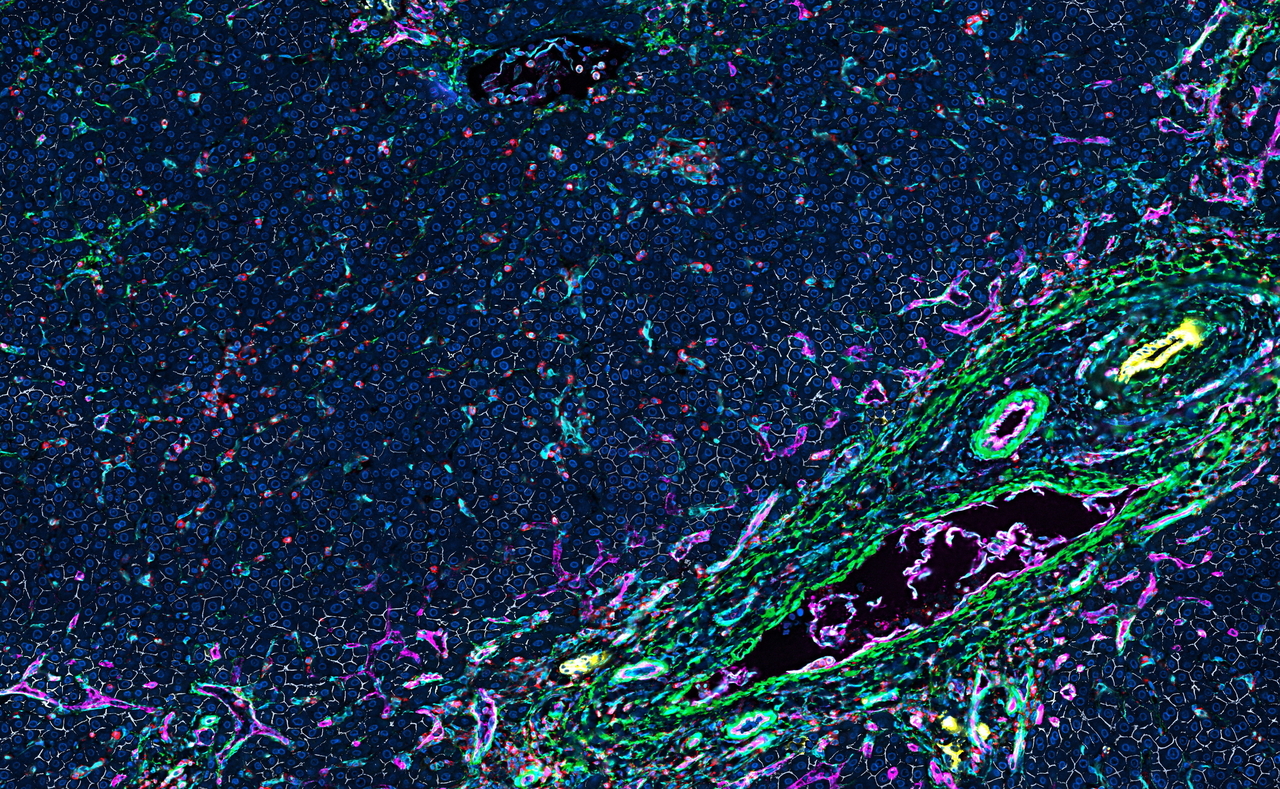
We study the human liver
In this lab, we study how altered lipid and lipoprotein metabolism in fatty liver diseases cause liver injury (inflammation) and scarring (fibrosis), which eventually leads to liver failure. We use these knowledge to develop innovative therapeutics.
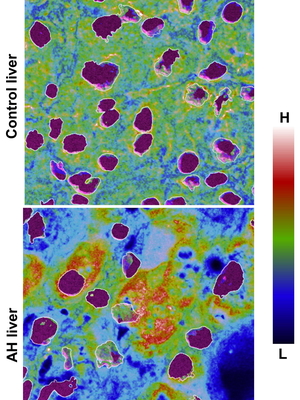
Cholesterol toxicity in AH
Alcohol-associated hepatitis (AH) is a subacute form of liver failure, which is an important driver that makes alcohol-associated liver disease (ALD) the leading indication for liver transplant. AH is poorly understood and lacks effective treatment.
Our studies indicate that cholesterol toxicity is a crucial driver of liver failure and AH-related comorbidities.
We found that an increased burden of unesterified cholesterol leads to the accumulation of lipoprotein Z (LP-Z), which is a hallmark of severe AH and prognosticates disease outcome. The build-up of unesterified cholesterol occurs both in hepatocytes due to the breaking down of cellular mechanism maintaining cholesterol homeostasis and outside of hepatocytes that damage other vital cells that cause infection and multiorgan failure. Our lab interrogates pathways regulating cholesterol metabolism and develop therapeutics targeting key proteins involved in cholesterol homeostasis.
Adenosine deaminase 2 in MASLD
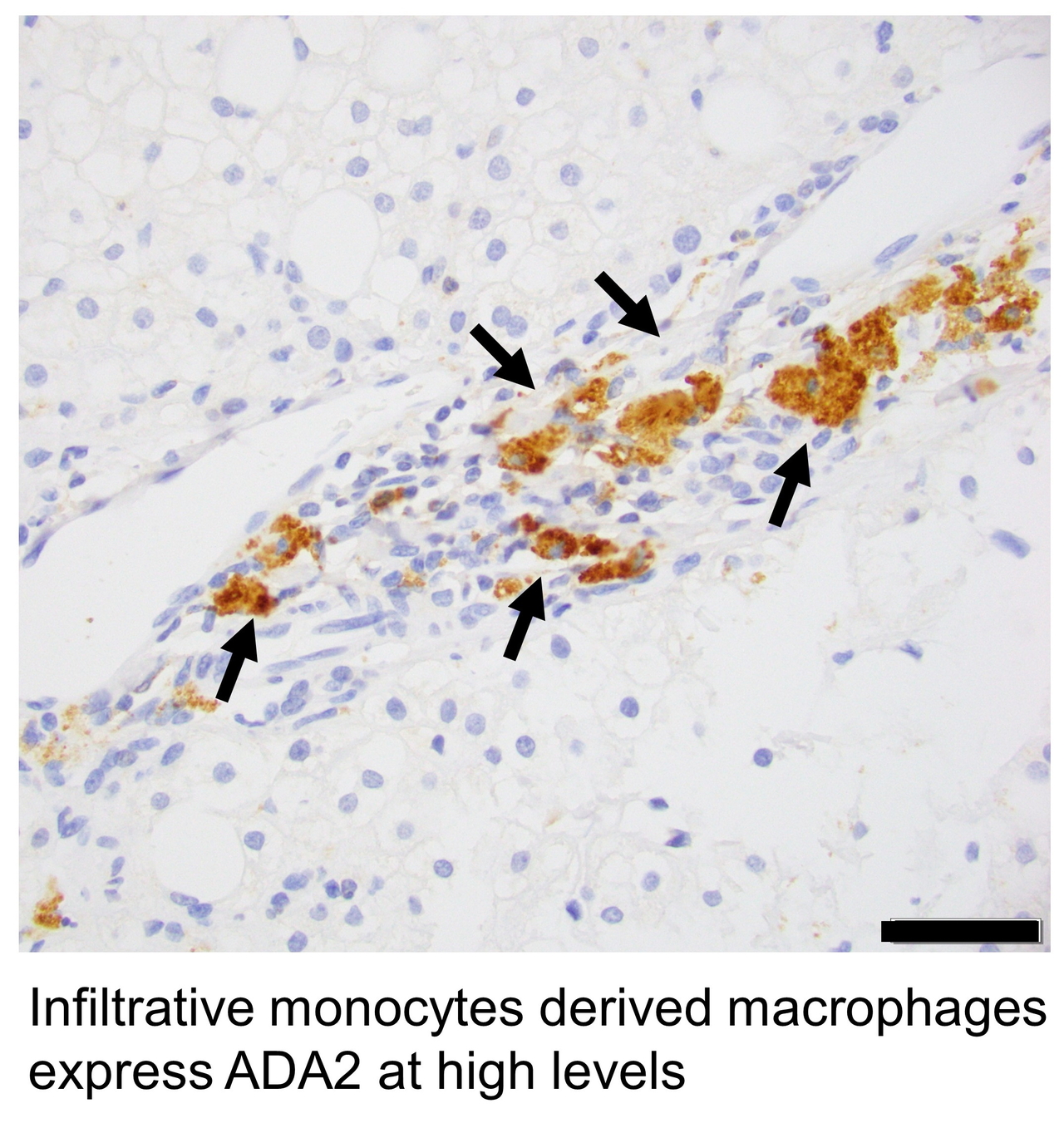
Adenosine deaminase 2 (ADA2) is an ecto-enzyme produced by monocytes and macrophages that converts adenosine to inosine in the extracellular milieu. Its congenital deficiency has been implicated autoinflammatory diseases. We found that circulating activities of ADA2 is elevated in patients with liver fibrosis from metabolic dysfunction associated steatotic liver diseases (MASLD).
Infiltrative monocytes in MASLD produce ADA2 which in turn promotes liver fibrosis.
Liver fibrosis is what causes liver-specific mortality and morbidity in MASLD. ADA2 acts on monocyte-derived macrophages and liver-resident Kupffer cells, and promotes differentiation toward proinflammatory and profibrotic phenotypes. These macrophages produce PDGFβ, an established factor that activates hepatic stellate cells. Our lab studies how ADA2 is regulated in monocytes and macrophages, and tests novel therapeutic ideas that target ADA2 in mitigating liver fibrosis in MASLD.
From bench to bedside
Our lab enthusiastically translates scientific discoveries to innovate diagnosis and therapeutics for liver diseases.
- We have developed VLDL-lipidomics to study hepatocellular lipid homeostasis using circulating very low density lipoprotein (VLDL).
- We use spatial transcriptomics and proteomics to interrogate pathogenesis of ALD and MASLD in human liver tissue.
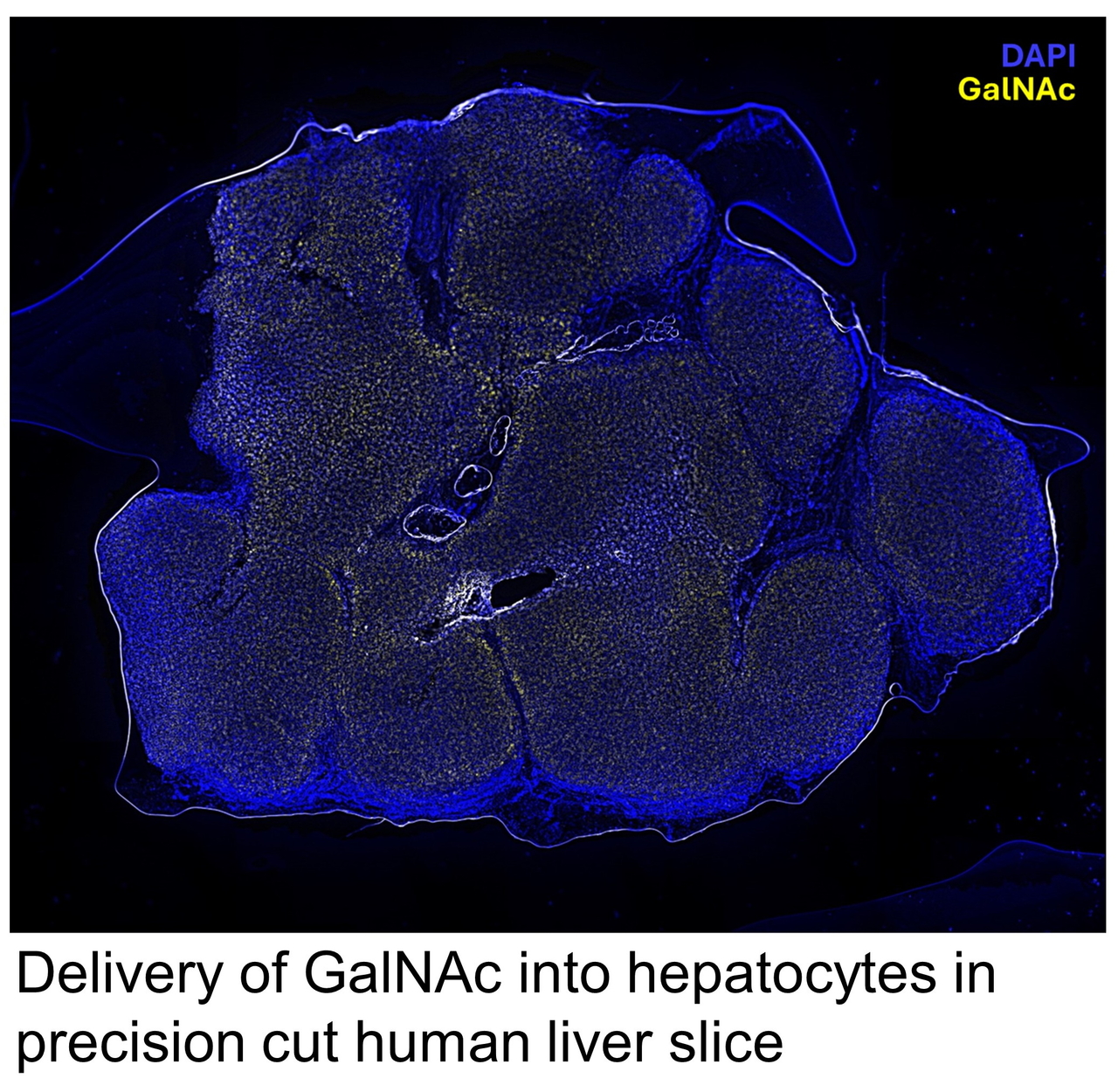
- We have refined precision cut liver slice (PCLS) technology to study drug delivery in healthy and diseased human liver tissue.
For more information of our innovative technologies, please also visit our Preclinical Liver Research Center website.
Support
We appreciate support from the National Institute on Alcohol Abuse and Alcoholism, National Institute of Diabetes and Digestive and Kidney Diseases, Massachusetts Life Science Center, American Association for the Study of Liver Diseases, and American College of Gastroenterology.

