
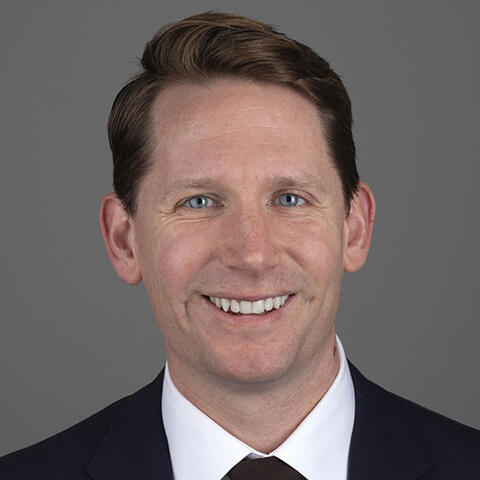
Dr. Mark Lunderberg was awarded a $250,000, two-year Foundation for Anesthesia Education and Research (FAER) training grant entitled, “Modulation of inflammatory and metabolic effects of ischemia-reperfusion injury.” Dr. Simon Robson will serve as his primary mentor for this project.
Dr. Lunderberg described his project below:
Regional mismatch of oxygen supply and metabolic demand causes cell injury and death. Activated, injured, and apoptotic cells release large amounts of ATP into the extracellular space (eATP) causing depleted intracellular ATP stores with eATP further acting as a pro-inflammatory danger signaling molecule. Post ischemia and reperfusion, additional injury is caused by the hyper-inflammatory response and oxidative stress causing a loss of protective CD39-ectonucleotidase activity. These processes exacerbate ischemia-reperfusion injury (IRI) and further deplete intracellular adenylate, specifically ATP, levels. This project aims to define those exact purinergic and metabolic mechanisms that result in injury and assess whether the responses following IRI can be modulated in experimental models with exogenous supplementation of ecto-enzymes. We have developed recombinant, chimeric molecules (sol-CD39-CD73), designed specifically for the scavenging of proinflammatory eATP to generate anti-inflammatory adenosine to improve organ or graft function, as well as to restore the adenylate energy charge by boosting purine salvage pathways and nucleoside uptake. These host innate responses to IRI and studies of cellular metabolism will be performed in a mouse model of IRI with further descriptive studies of machine perfusion of liver grafts. An improved mechanistic understanding of the inflammatory responses that result in end-organ injury and graft failure will be necessary for the development of even more effective prophylactic and therapeutic interventions to mitigate IRI.