
Transforming Brain Health
Exploring the neurobiological mechanisms of brain aging and drug addiction to drive groundbreaking discoveries
The Mavrikaki Lab focuses on understanding the molecular mechanisms underlying brain aging and opioid use disorder (OUD). We aim to identify specific molecular mechanisms that mediate brain aging processes and explore their potential as therapeutic targets to delay or reverse aging-related cognitive decline. In parallel, we are exploring biologically based alterations throughout the addiction cycle to identify molecules and pathways involved in OUD and evaluate their potential as therapeutic targets.
Explore our Research Topics
Molecular mechanisms of brain aging
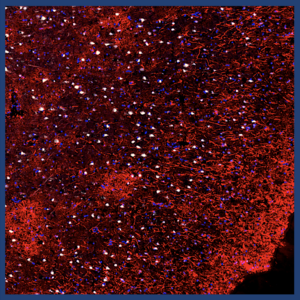
Our previous research has shown that severe COVID-19 induces transcriptomic signatures in the human brain that resemble accelerated brain aging (Mavrikaki et al., 2022; Nature Aging). Funded by the National Institute on Aging (NIA), we are leveraging COVID-19 as a model of accelerated brain aging to uncover the molecular mechanisms driving both natural brain aging and COVID-19-induced accelerated aging. The ultimate goal of our research is to identify molecular targets to prevent, delay, or potentially reverse brain aging.
Neurobiological mechanisms of opioid addiction
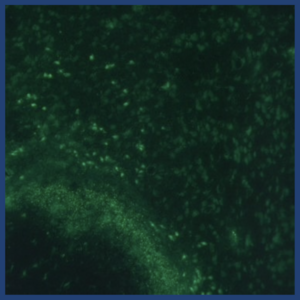
The ongoing opioid epidemic has triggered our interest to investigate the molecular mechanisms underlying opioid use disorder (OUD). Using rodent models of drug self-administration and advanced molecular biology techniques, we aim to uncover the neurobiological processes driving OUD. Our ultimate goal is to identify molecular targets to develop effective therapeutics and contribute to combating the opioid crisis.

