


Welcome
Our research is focused on the transcriptional pathways that underlie metabolic diseases like obesity and Type 2 diabetes. In particular, we have a longstanding interest in using genomic and epigenomic approaches to identify novel transcription factors and pathways that regulate processes such as adipogenesis, lipid handling, insulin resistance, and metabolic memory. Our ultimate goal is to define novel targets that can be manipulated to improve outcomes in metabolic disease.
-
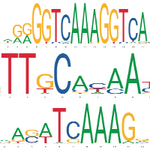
Congratulations to Winnie Zhang—her paper "Transcriptional and epigenomic analysis of insulin sensitivity in human adipocytes” is out in Cell Reports. (https://www.cell.com/cell-reports/fulltext/S2211-1247(26)01120-4). This work profiled transcriptional and epigenetic (H3K27ac) differences in isolated human adipocytes from subjects with extremes of insulin sensitivity. Winnie found a large number of genomic regions that were differentially enriched between insulin sensitive and resistant subjects. She then used CRISPRi to validate some of these regulatory regions around the IRS1 gene in cultured human adipocytes and was able to nominate several key transcription factors. This project was done in collaboration with Linus Tsai and with Melina Claussnitzer at the Broad Institute.
-
Congratulations to Erwei and Yangmian on their new paper in Cell Metabolism!
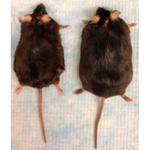
Congratulations to Erwei Li and Yangmian Yuan—their study showing that oxytocin-mediated lipolysis in white adipocytes is required for normal milk fat production is out in Cell Metabolism (https://pubmed.ncbi.nlm.nih.gov/41997158/). Working with collaborators Brigid Gregg and Dave Bridges at the University of Michigan, Erwei and Yangmian found that female mice lacking OXT receptors in adipocytes gave birth to pups with reduced weight gain, and that their milk was deficient in triglycerides. A single-cell analysis of lactating mammary glands without OXT receptors revealed profound changes in metabolic programming of mammary epithelial cells, marked by reduced mTOR signaling, increased autophagy, and reduced lipid synthesis.
-
New Research Uncovers Rapid Adipose Tissue Remodeling and Adipogenesis Following Bariatric Surgery
Check out the new preprint (https://doi.org/10.64898/2026.04.09.717542) presenting work led by Zinger Yang Loureiro looking at how adipose tissue composition changes following weight loss surgery. Zinger finds dramatic remodeling within the first month following surgery, including evidence of apoptosis of older, stressed adipocytes and the creation of new healthy adipocytes through adipogenesis.
-
Jessica Felix Joins the Rosen Lab
Jessica Felix is a new post-doc in the Rosen lab. Jessica did her graduate work in Sean Hartig’s lab at Baylor College of Medicine, where she did outstanding work to identify N-acetylaspartate as an adipocyte-derived metabolite that regulates body temperature (https://pubmed.ncbi.nlm.nih.gov/40702167/). Welcome, Jessica!
-
Farewell to Greg Westcott & Winnie Zhang
The Rosen Lab is bidding a fond farewell to Greg Westcott and Winnie Zhang as 2025 draws to a close.
Greg’s leadership has been instrumental in advancing our knowledge on lymphedema, while Winnie’s tenacity have been the driving force in bringing the IRS1 project to a successful completion. It has been a privilege to work alongside them. As they move into the industry sector, we know they will continue to do great things. We wish you the very best!
-
Rosen Lab reveals new insights into adipose tissue adaptation to weight loss in mice
Please check out the new paper from the Rosen lab (working in collaboration with Randy Seeley’s group at the University of Michigan) about changes in adipose tissue after two different weight loss strategies in mice. Margo Emont compared white adipose tissue from obese mice that received either vertical sleeve gastrectomy (VSG) or semaglutide. Some important changes in gene expression and cellular composition were conserved across weight loss interventions, while others were specific to either semaglutide or VSG. Margo also found that some gene expression programs in adipocytes reverted to a chow-like state after weight loss, while others remained “locked” in the obese pattern. link
