
Projects
Focus
Dr Dresser's work focuses on two key questions: First, what does climate change mean for our healthcare systems and the patients we serve? Second, what can we do to address this situation form the standpoint of healthcare? Answering these questions has meant developing and testing resources for clinicians and healthcare organizations, analyzing electronic health records data, using spatial methods to understand risk to healthcare facilities, and creating educational programs for clinicians.
Climate Resilience and Adaptation Resources for Clinics and Clinicians
Dr Dresser leads the Climate Resilient Clinics program at the Harvard Chan Center for Climate, Health, and the Global Environment (Harvard C-CHANGE). This program is focused on developing, testing, and scaling resources to support climate-smart clinical care, particularly in health centers serving patients who are at disproportionate risk of health harms related to climate change. Components of this program include:
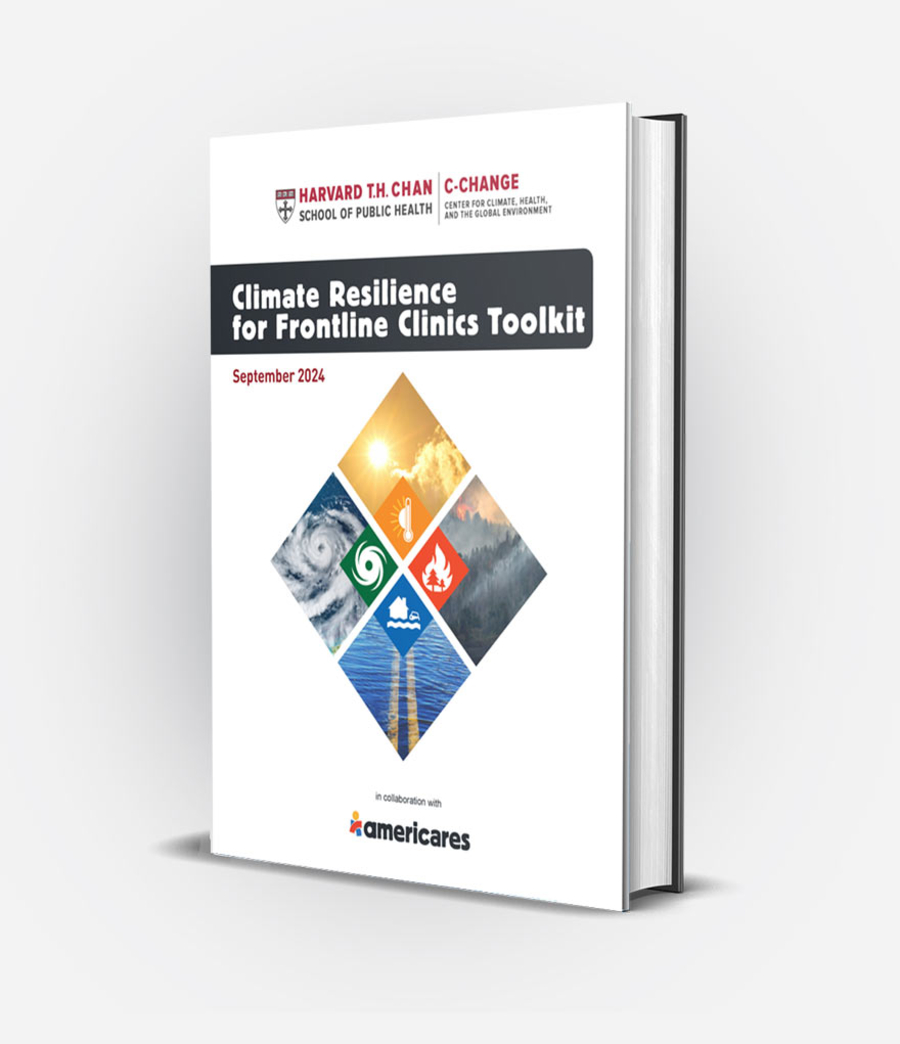
The Climate Resilience for Frontline Clinics Toolkit for the United States, developed in collaboration with Americares. This resource has been field tested in 19 frontline clinics, revised by expert working groups, re-released in September 2024, and has now been downloaded more than 24,000 times.
Wildfire Smoke and Heat-Health Action Plans for clinics in the United States, developed in collaboration with Americares. This resource was co-developed with clinic staff members, piloted during 2024, and has now been utilized by more than 140 clinics.
Realtime Climate Heat Risk Alerts for clinicians in the United States, developed in collaboration with Climate Central. This resource provides real-time alerts about dangerous heat conditions, at risk patient populations, and links to resources clinics and clinicians can use to help reduce this risk.
Climate Resilience Toolkit for Health Centers in the Philippines, developed in collaboration with Americares and the Philippines Department of Health. This toolkit provides resources related to heat, flooding, and typhoons for community members, patients, clinicians, and healthcare administrators. Materials from this toolkit were distributed nationally by the Philippines Department of Health during a heatwave in spring of 2025.
Development of a Healthcare System Toolkit to address climate health hazards in the Mediterranean, as part of ISMED-CLIM, an EU-funded consortium led by a team at the University of Cyprus. This work is ongoing, and is expected to result in resources that will be useful to clinicians and healthcare organizations in the Mediterranean region.
Healthcare Implications of Climate and Weather Hazards
Climate change is leading to escalating hazard intensity, frequency, and exposure for both healthcare facilities and the patients they serve. Dr Dresser uses electronic health records data, weather and climate data, wildfire data, and other publicly available data sources to understand how climate hazards affect or threaten healthcare facilities and their operations.
Dr Dresser has led work at BIDMC to understand the implications of hurricanes, summertime heat, and other weather conditions for patient exposure and Emergency Department utilization and operations. This program has provided opportunities for graduate students and fellows to develop research skills in a collaborative, multidisciplinary environment.
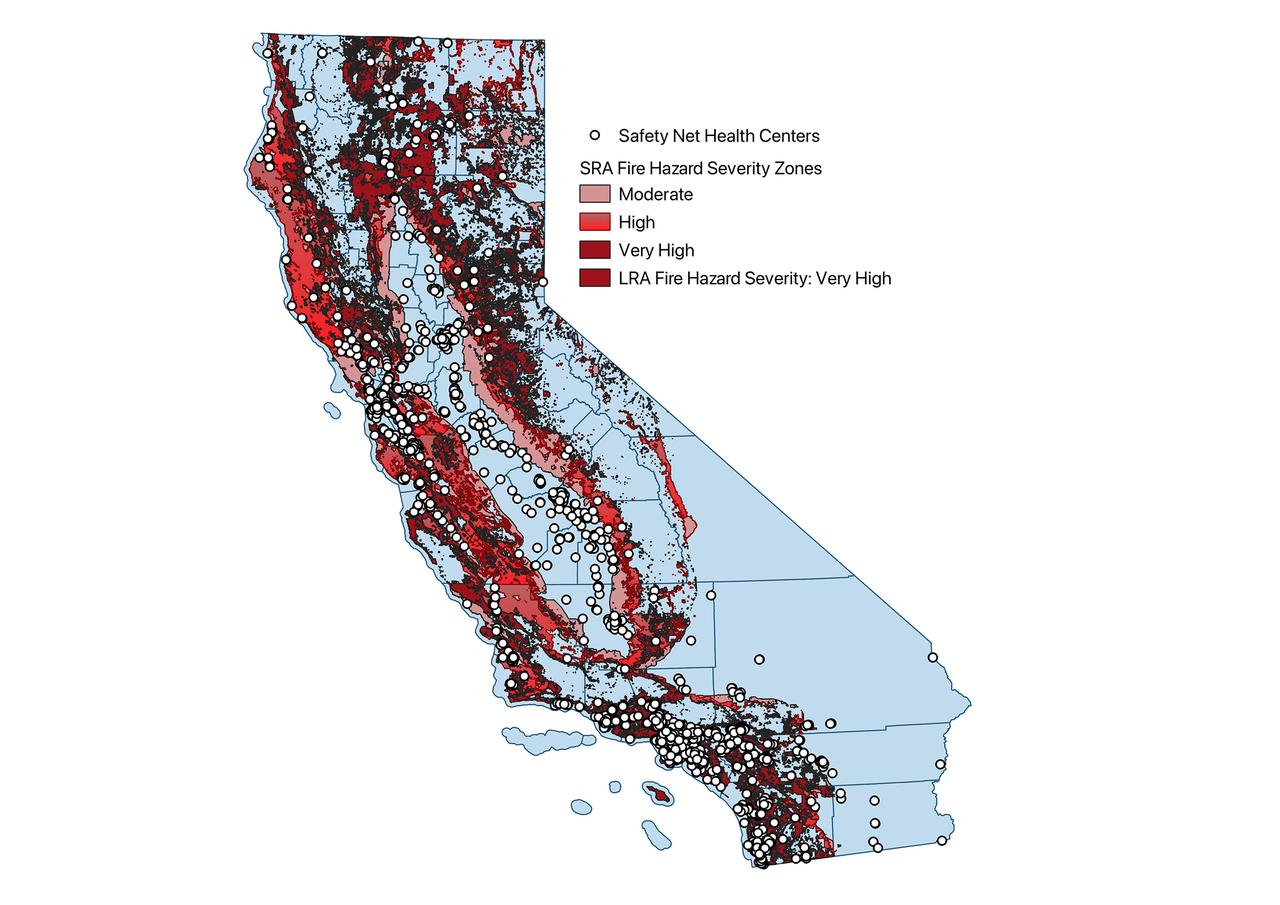
In addition, Dr Dresser has worked with collaborators at CrisisReady to study how wildfires threaten healthcare facilities and how this threat is worsening over time, and has also contributed to development of disaster data visualization tools with applications to hurricanes, wildfires, and other hazards. He also collaborates with the nonprofit Hikma Health, studying the implications of environmental health data integration into EHR systems.

Heat, Health, and Air Conditioning for Older Adults In Boston
Dr Dresser is studying the impacts of summertime heat on at-risk adults in Boston, and solutions to address these, with collaborators at an NIH-funded P20 research center based at the Harvard T.H. Chan School of Public Health. Dr Dresser is a co-investigator on this project, and is focusing on heat and health in Boston, including a trial of air conditioner distribution to community-dwelling at-risk older adults in urban heat islands in Boston.
The C-EARTH project involves collaboration across departments at Harvard T.H. Chan School of Public Health, including the Departments of Environmental Health, Nutrition, and Social and Behavioral Sciences, as well as with Harvard Medical School (HMS) and Beth Israel Deaconess Medical Center (BIDMC). In addition to this cross-department work, the Center aims to prioritize collaboration with communities directly, to hear their specific needs and respond through working together to develop solutions on the ground.

