

Research

Research Area 1

Delineating HFpEF risk and scope:

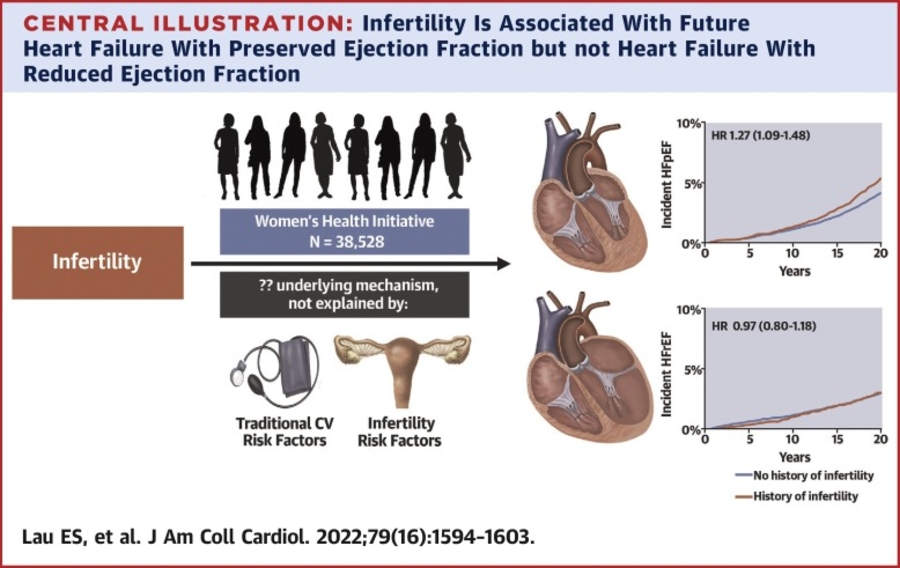
We have collaborated with multiple community-based epidemologic cohorts with >22,000 individuals followed prospectively for incident HF, which has enabled seminal insights stemming from this effort. For example, we demonstrated that clinical precursors of HFpEF vs HFrEF are distinct, and that traditional clinical risk models and cardiovascular biomarkers predict HFpEF less well than HFrEF, underscoring the need for better molecular phenotyping. Importantly, we showed that obesity and cardiometabolic factors including insulin resistance are central determinants of future HFpEF. We have highlighted important sex differences in HFpEF, including female-specific risk enhancers such as infertility. Recent work is focused on machine-learning approaches to refine our epidemiologic understanding of HFpEF, through the Broad Institute’s Machine Learning for Health initiative. 


Research Area 2

HFpEF molecular mechanisms of disease:

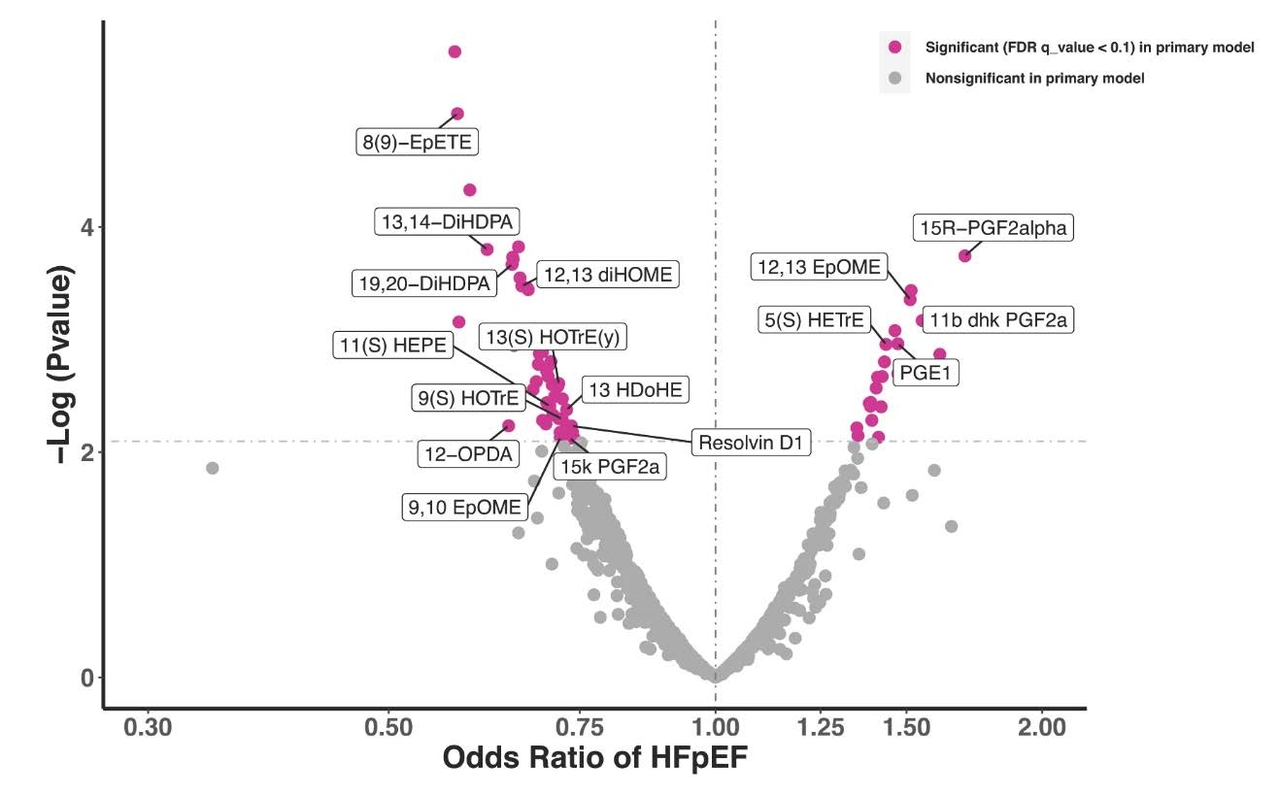
Our laboratory has leveraged molecular profiling to examine proteomic and metabolic signatures of HFpEF, work that established systemic inflammation and adiposity-related pathways as a central contributor to HFpEF development. Our group has demonstrated that eicosanoid and novel related bioactive lipids, known to govern upstream initiation of pro- and anti-inflammatory activity, are associated with HFpEF. Specifically, prostaglandin and linoleic acid derivatives are associated with greater odds, and epoxides and oxlipins with lower odds of HFpEF.


Research Area 3

Inter-organ communication in HFpEF:

An important focus of the laboratory has been to understand cardiac-vascular and cardiac-pulmonary interactions as important contributors to HFpEF pathophysiology. We previously demonstrated enhanced large artery stiffness as an important determinant of diastolic reserve. We currently are using novel approaches to isolate human venous endothelial cells to better understand the interaction between endothelial health, cardiometabolic disease, and HFpEF.


 

Recent Publications

  • Ma, Janet I, Emily K Zern, Juhi K Parekh, Ndidi Owunna, Nona Jiang, Dongyu Wang, Paula K Rambarat, Eugene Pomerantsev, Michael H Picard, and Jennifer E Ho. (2023) 2023. “Obesity Modifies Clinical Outcomes of Right Ventricular Dysfunction.”. Circulation. Heart Failure 16 (11): e010524. https://doi.org/10.1161/CIRCHEARTFAILURE.123.010524.

    BACKGROUND: Right ventricular (RV) dysfunction is associated with increased mortality across a spectrum of cardiovascular diseases. The role of obesity in RV dysfunction and adverse outcomes is unclear.

    METHODS: We examined patients undergoing right heart catheterization between 2005 and 2016 in a hospital-based cohort. Linear regression was used to examine the association of obesity with hemodynamic indices of RV dysfunction (pulmonary artery pulsatility index, right atrial pressure:pulmonary capillary wedge pressure ratio, RV stroke work index). Cox models were used to examine the association of RV function measures with clinical outcomes.

    RESULTS: Among 8285 patients (mean age, 63 years; 40% women), higher body mass index was associated with worse indices of RV dysfunction, including lower pulmonary artery pulsatility index (β, -0.23; SE, 0.01; P<0.001), higher right atrium:pulmonary capillary wedge pressure ratio (β, 0.25; SE, 0.01; P<0.001), and lower RV stroke work index (β, -0.05; SE, 0.01; P<0.001). Over median of 7.3 years of follow-up, we observed 3006 mortality and 2004 heart failure hospitalization events. RV dysfunction was associated with a greater risk of mortality (eg, pulmonary artery pulsatility index:hazard ratio, 1.11 per 1-SD increase [95% CI, 1.04-1.18]), with similar associations with risk of heart failure hospitalization. Body mass index modified the effect of RV dysfunction on all-cause mortality (Pinteraction≤0.005 for PAPi and RA:PCWP ratio), such that the effect of RV dysfunction was more pronounced at higher body mass index.

    CONCLUSIONS: Patients with obesity had worse hemodynamic measured indices of RV function across a broad hospital-based sample. While RV dysfunction was associated with worse clinical outcomes including mortality and heart failure hospitalization, this association was especially pronounced among individuals with higher body mass index.

  • Lau, Emily S, Paolo Di Achille, Kavya Kopparapu, Carl T Andrews, Pulkit Singh, Christopher Reeder, Mostafa Al-Alusi, et al. (2023) 2023. “Deep Learning-Enabled Assessment of Left Heart Structure and Function Predicts Cardiovascular Outcomes.”. Journal of the American College of Cardiology 82 (20): 1936-48. https://doi.org/10.1016/j.jacc.2023.09.800.

    BACKGROUND: Deep learning interpretation of echocardiographic images may facilitate automated assessment of cardiac structure and function.

    OBJECTIVES: We developed a deep learning model to interpret echocardiograms and examined the association of deep learning-derived echocardiographic measures with incident outcomes.

    METHODS: We trained and validated a 3-dimensional convolutional neural network model for echocardiographic view classification and quantification of left atrial dimension, left ventricular wall thickness, chamber diameter, and ejection fraction. The training sample comprised 64,028 echocardiograms (n = 27,135) from a retrospective multi-institutional ambulatory cardiology electronic health record sample. Validation was performed in a separate longitudinal primary care sample and an external health care system data set. Cox models evaluated the association of model-derived left heart measures with incident outcomes.

    RESULTS: Deep learning discriminated echocardiographic views (area under the receiver operating curve >0.97 for parasternal long axis, apical 4-chamber, and apical 2-chamber views vs human expert annotation) and quantified standard left heart measures (R2 range = 0.53 to 0.91 vs study report values). Model performance was similar in 2 external validation samples. Model-derived left heart measures predicted incident heart failure, atrial fibrillation, myocardial infarction, and death. A 1-SD lower model-left ventricular ejection fraction was associated with 43% greater risk of heart failure (HR: 1.43; 95% CI: 1.23-1.66) and 17% greater risk of death (HR: 1.17; 95% CI: 1.06-1.30). Similar results were observed for other model-derived left heart measures.

    CONCLUSIONS: Deep learning echocardiographic interpretation accurately quantified standard measures of left heart structure and function, which in turn were associated with future clinical outcomes. Deep learning may enable automated echocardiogram interpretation and disease prediction at scale.

  • Lau, Emily S, Athar Roshandelpoor, Shahrooz Zarbafian, Dongyu Wang, James S Guseh, Norrina Allen, Vinithra Varadarajan, et al. (2023) 2023. “Eicosanoid and Eicosanoid-Related Inflammatory Mediators and Exercise Intolerance in Heart Failure With Preserved Ejection Fraction.”. Nature Communications 14 (1): 7557. https://doi.org/10.1038/s41467-023-43363-3.

    Systemic inflammation has been implicated in the pathobiology of heart failure with preserved ejection fraction (HFpEF). Here, we examine the association of upstream mediators of inflammation as ascertained by fatty-acid derived eicosanoid and eicosanoid-related metabolites with HFpEF status and exercise manifestations of HFpEF. Among 510 participants with chronic dyspnea and preserved LVEF who underwent invasive cardiopulmonary exercise testing, we find that 70 of 890 eicosanoid and related metabolites are associated with HFpEF status, including 17 named and 53 putative eicosanoids (FDR q-value < 0.1). Prostaglandin (15R-PGF2α, 11ß-dhk-PGF2α) and linoleic acid derivatives (12,13 EpOME) are associated with greater odds of HFpEF, while epoxides (8(9)-EpETE), docosanoids (13,14-DiHDPA), and oxylipins (12-OPDA) are associated with lower odds of HFpEF. Among 70 metabolites, 18 are associated with future development of heart failure in the community. Pro- and anti-inflammatory eicosanoid and related metabolites may contribute to the pathogenesis of HFpEF and serve as potential targets for intervention.

  • Cunningham, Jonathan W, Pulkit Singh, Christopher Reeder, Brian Claggett, Pablo M Marti-Castellote, Emily S Lau, Shaan Khurshid, et al. (2024) 2024. “Natural Language Processing for Adjudication of Heart Failure in a Multicenter Clinical Trial: A Secondary Analysis of a Randomized Clinical Trial.”. JAMA Cardiology 9 (2): 174-81. https://doi.org/10.1001/jamacardio.2023.4859.

    IMPORTANCE: The gold standard for outcome adjudication in clinical trials is medical record review by a physician clinical events committee (CEC), which requires substantial time and expertise. Automated adjudication of medical records by natural language processing (NLP) may offer a more resource-efficient alternative but this approach has not been validated in a multicenter setting.

    OBJECTIVE: To externally validate the Community Care Cohort Project (C3PO) NLP model for heart failure (HF) hospitalization adjudication, which was previously developed and tested within one health care system, compared to gold-standard CEC adjudication in a multicenter clinical trial.

    DESIGN, SETTING, AND PARTICIPANTS: This was a retrospective analysis of the Influenza Vaccine to Effectively Stop Cardio Thoracic Events and Decompensated Heart Failure (INVESTED) trial, which compared 2 influenza vaccines in 5260 participants with cardiovascular disease at 157 sites in the US and Canada between September 2016 and January 2019. Analysis was performed from November 2022 to October 2023.

    EXPOSURES: Individual sites submitted medical records for each hospitalization. The central INVESTED CEC and the C3PO NLP model independently adjudicated whether the cause of hospitalization was HF using the prepared hospitalization dossier. The C3PO NLP model was fine-tuned (C3PO + INVESTED) and a de novo NLP model was trained using half the INVESTED hospitalizations.

    MAIN OUTCOMES AND MEASURES: Concordance between the C3PO NLP model HF adjudication and the gold-standard INVESTED CEC adjudication was measured by raw agreement, κ, sensitivity, and specificity. The fine-tuned and de novo INVESTED NLP models were evaluated in an internal validation cohort not used for training.

    RESULTS: Among 4060 hospitalizations in 1973 patients (mean [SD] age, 66.4 [13.2] years; 514 [27.4%] female and 1432 [72.6%] male]), 1074 hospitalizations (26%) were adjudicated as HF by the CEC. There was good agreement between the C3PO NLP and CEC HF adjudications (raw agreement, 87% [95% CI, 86-88]; κ, 0.69 [95% CI, 0.66-0.72]). C3PO NLP model sensitivity was 94% (95% CI, 92-95) and specificity was 84% (95% CI, 83-85). The fine-tuned C3PO and de novo NLP models demonstrated agreement of 93% (95% CI, 92-94) and κ of 0.82 (95% CI, 0.77-0.86) and 0.83 (95% CI, 0.79-0.87), respectively, vs the CEC. CEC reviewer interrater reproducibility was 94% (95% CI, 93-95; κ, 0.85 [95% CI, 0.80-0.89]).

    CONCLUSIONS AND RELEVANCE: The C3PO NLP model developed within 1 health care system identified HF events with good agreement relative to the gold-standard CEC in an external multicenter clinical trial. Fine-tuning the model improved agreement and approximated human reproducibility. Further study is needed to determine whether NLP will improve the efficiency of future multicenter clinical trials by identifying clinical events at scale.

  • Kosyakovsky, Leah B, Elizabeth E Liu, Jessica K Wang, Lisa Myers, Juhi K Parekh, Hanna Knauss, Gregory D Lewis, et al. (2024) 2024. “Uncovering Unrecognized Heart Failure With Preserved Ejection Fraction Among Individuals With Obesity and Dyspnea.”. Circulation. Heart Failure 17 (5): e011366. https://doi.org/10.1161/CIRCHEARTFAILURE.123.011366.

    BACKGROUND: Although heart failure with preserved ejection fraction (HFpEF) has become the predominant heart failure subtype, it remains clinically under-recognized. HFpEF diagnosis is particularly challenging in the setting of obesity given the limitations of natriuretic peptides and resting echocardiography. We examined invasive and noninvasive HFpEF diagnostic criteria among individuals with obesity and dyspnea without known cardiovascular disease to determine the prevalence of hemodynamic HFpEF in the community.

    METHODS: Research volunteers with dyspnea and obesity underwent resting echocardiography; participants with possible pulmonary hypertension qualified for invasive cardiopulmonary exercise testing. HFpEF was defined using rest or exercise pulmonary capillary wedge pressure criteria (≥15 mm Hg or Δpulmonary capillary wedge pressure/Δcardiac output slope, >2.0 mm Hg·L-1·min-1).

    RESULTS: Among n=78 participants (age, 53±13 years; 65% women; body mass index, 37.3±6.8 kg/m2), 40 (51%) met echocardiographic criteria to undergo invasive cardiopulmonary exercise testing. In total, 24 participants (60% among the cardiopulmonary exercise testing group, 31% among the total sample) were diagnosed with HFpEF by rest or exercise pulmonary capillary wedge pressure (n=12) or exercise criteria (n=12). There were no differences in NT-proBNP (N-terminal pro-B-type natriuretic peptide; 79 [62-104] versus 73 [57-121] pg/mL) or resting echocardiography (mitral E/e' ratio, 9.1±3.1 versus 8.0±2.7) among those with versus without HFpEF (P>0.05 for all). Distributions of HFpEF diagnostic scores were similar, with the majority classified as intermediate risk (100% versus 93.75% [H2FPEF] and 87.5% versus 68.75% [HFA-PEFF (Heart Failure Association Pretest assessment, echocardiography and natriuretic peptide, functional testing, and final etiology)] in those with versus without HFpEF).

    CONCLUSIONS: Among adults with obesity and dyspnea without known cardiovascular disease, at least a third had clinically unrecognized HFpEF uncovered on invasive cardiopulmonary exercise testing. Clinical, biomarker, resting echocardiography, and diagnostic scores were similar among those with and without HFpEF. These results suggest clinical underdiagnosis of HFpEF among individuals with obesity and dyspnea and highlight limitations of noninvasive testing in the identification of HFpEF.

To see a complete list of Jennifer Ho's research publications