

Cardiothoracic Imaging
About Our Program
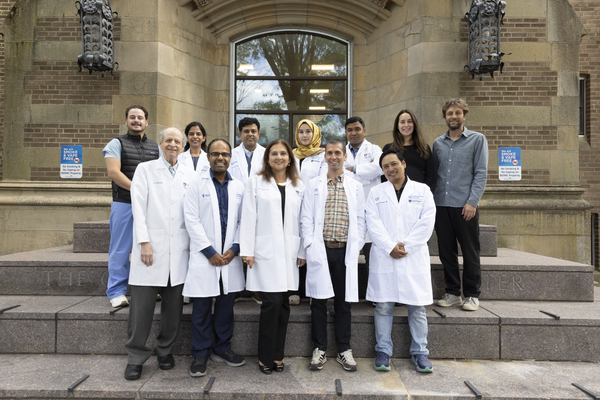
A Harvard Medical School-affiliated program, the Cardiothoracic Imaging Fellowship at Beth Israel Deaconess Medical Center was established in 2000. Welcoming two fellows annually, this one-year fellowship focuses on a comprehensive approach to cardiothoracic imaging, including experience in Lung Cancer Screening. It provides intensive involvement in clinical and research activities, and it is equally suited to preparing trainees for a career in academic radiology and private practice. Prospective fellows must have completed a radiology residency in the U.S. or abroad to be eligible for this program.
We create a rich learning environment in which our fellows are involved in interpretation and active management of complex disease processes through clinical work and multidisciplinary conference presentations. They gain a wealth of interventional training in all cross-sectional modalities and have innumerable opportunities to teach Harvard Medical School (HMS) students and residents. Academic opportunities include participation in existing and new research projects, with research mentors assigned to all fellows to assist them in navigating a research project from IRB application to manuscript publication.
For more information on benefits and resources available to trainees, visit the Shapiro Institute website.
Please note: Currently, the ACGME does not have a Cardiothoracic Imaging fellowship category, so this is not an ACGME‐accredited fellowship.
How to Apply
Timeline
September 1, 2026: First day to accept applications.
November 1, 2026: Open house webinars can begin.
*January 11, 2027: Interviews may begin.
January 25, 2027, 12:00 pm EST: First day’s offer can be made. Programs cannot send out more offers than they have spots to fill.
March 31, 2027: Interviews completed.
Grace Period: Applicants have until 12:00 pm EST on January 27 to accept or decline any offer made before January 27. For any offer made on or after January 27 the candidate has a 1-day grace period (12:00 pm EST) to accept or decline the offer.
*Acceptance Embargo Date: No fellowship may offer acceptances before this date except internal candidates, military candidates, spouses/domestic partners who are applying for any medical fellowship in the same year, and international candidates (non-ACGME or non-RCPS program applicants).
Applicants must have completed a radiology residency program accredited by the ACGME or Royal College of Physicians and Surgeons of Canada by the time they start their fellowship at BIDMC. Applicants must be certified or qualified for certification by the American Board of Radiology and have obtained a Massachusetts medical license by the beginning of the fellowship.
Your application must include your:
- Application form
- Curriculum vitae
- Personal statement
- Letter of recommendation from your program director or current director
- Two additional letters of recommendation
- USMLE scores, steps 1-3/LMCC scores
- ECFMG certificate if you were not trained in the US
- Canadian applicants do not require ECFMG certificate, but should contact ECFMG to obtain ECFMG number
To apply, email the Radiology Education Office (RADfellowship@bidmc.harvard.edu) with all of the requested application materials listed above. If you don't receive confirmation of receipt of your application within three business days, contact us at 617-667-3524.
Program Overview
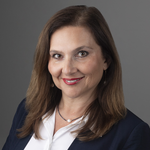
On behalf of the Beth Israel Deaconess Medical Center (BIDMC) Cardiothoracic Imaging Fellowship team, led by Fellowship Director Dr. Diana Litmanovich, we thank you for your interest in our program. The Cardiothoracic Imaging Fellowship is a one-year program.
With a central role in clinical service, teaching, and research, the BIDMC Department of Radiology performs more than 450,000 radiologic examinations each year. The department provides Radiography, CT, Ultrasound, MRI, Nuclear Medicine, Angiography, and Interventional Radiology services to both the medical center as well as our affiliated health care facilities.
There are over 65 full-time clinical diagnostic radiologists, 20 additional research faculty members, and 30 clinical and post-doctoral research fellows in the department. Our section comprises 7 faculty, 2 clinical fellows, 2 research fellows, a Cardiac Imaging Nurse Practitioner, and Lung Cancer Screening personnel. All residents, fellows, and faculty have appointments at Harvard Medical School. Our Cardiothoracic Imaging Fellows rotate through various imaging modalities and body intervention, with progressive independence as they gain experience over the year. During their training, fellows successfully take independent home calls, actively teach medical students and peers, complete quality improvement projects, participate in multidisciplinary conferences and tumor boards, and pursue research and other scholarly activities. Fellows are also provided the opportunity to develop skills in medical education, health policy, research, and quality improvement.
Graduates of this program are expected to be:
-
Clinically exceptional radiologists with superb diagnostic skills and satisfactory interventional skills (optional).
-
Compassionate and empathetic professionals with strong interpersonal skills and an ability to excel as members of health care teams.
Valuable contributors to patient care through a broad understanding of the complexities of the U.S. health care system and mastery of essential non-interpretive skills.
Curriculum
Program Aims
-
Develop and refine interpretive skills using a variety of thoracic imaging modalities, including chest radiographs, CT scans, high‐resolution chest CT, combined PET‐CT scans, and magnetic resonance imaging studies.
-
Develop and refine teaching skills in thoracic imaging by developing three educational materials (PowerPoint lectures, digital teaching files, and web‐based learning resources), delivering formal lectures to radiology residents, and actively participating in multidisciplinary conferences.
-
Develop and refine research skills in cardiothoracic imaging by designing, implementing, and completing a research project under the mentorship of the thoracic imaging section faculty.
-
Emphasis will be placed upon the following imaging techniques: coronary and cardiac CTA in pre‐solid organ transplant patients, the assessment of TAVR and TMVR candidates, low-contrast coronary and cardiac CT imaging, advanced 3D reconstruction methods, cardiac MR, MR imaging of suspected amyloidosis, and MR pre‐ablation imaging.
-
Emphasis will be placed on the following diseases: coronary atherosclerosis, structural heart disease, aortitis, and aortic dissection.
-
Develop and refine interpretive skills using a variety of cardiac imaging modalities, including cardiac CTA, coronary CTA, ECG‐gated CTA of the chest, cardiac MR, aortic MR, and cardiac nuclear medicine imaging.
-
Develop hands‐on experience in preparing patients and obtaining ECG‐gated cardiac imaging and ECG‐gated cardiac MRI imaging.
-
Develop familiarity with establishing and running the BIDMC Lung Cancer Screening Program and refining interpretive skills in interpretation of lung cancer screening studies.
-
Emphasis will be placed upon the following imaging techniques: high-resolution CT, CT of the trachea, expiratory CT, and advanced 3‐D reconstruction methods.
-
Emphasis will be placed upon the following diseases: lung cancer, airway disorders, chronic infiltrative lung diseases, and emphysema.
Curriculum
Clinical and research components:
-
80% clinical (4 days per week)
-
20% research/academic, depending on academic productivity (typically one day per week).
Clinical rotations:
-
Thoracic imaging – 7 months
-
Cardiac Imaging – 4 months
-
Interventional procedures (optional) vs. elective – 1 month
Trainee’s supervisory and patient care responsibilities:
-
Fellows participate in the clinical work and responsibilities of the section staff and coordinate and integrate all abnormal studies with clinical findings. Fellows become familiar with state‐of‐the‐art equipment and actively participate in the management of complicated diagnostic problems.
-
Academic responsibilities include teaching assignments, multi‐disciplinary clinical conferences, interesting case conferences, and supervision of residents and medical students.
Didactic sessions and teaching methods are used to ensure program goals and objectives are met.
-
The section has a weekly education conference, which includes didactic lectures and case conferences, and covers all aspects of cardiothoracic imaging that a practicing radiologist should be familiar with.
-
Trainees also participate in several multidisciplinary conferences each week, including a joined Cardiology/Radiology cardiac CT case review, joined Cardiology/Radiology cardiac MR case review, Oncology Conference, Surgical M&M, Thoracic Oncology Conference, and Pulmonary Radiology Conference.
-
There is also a weekly Interesting Case Conference, during which staff and trainees review the interesting cases of the prior week, with an emphasis on the recognition of characteristic radiological features of specific thoracic disorders and generating an appropriate differential diagnosis.
Our Faculty
Our Cardiothoracic Imaging faculty are dedicated to training the next generation of radiologists through our comprehensive fellowship program.
Current Fellows
Nitai Bar, MD

Claudia Pacheco, MD
