
Critical Care Medicine Fellowship
Overview and Goals
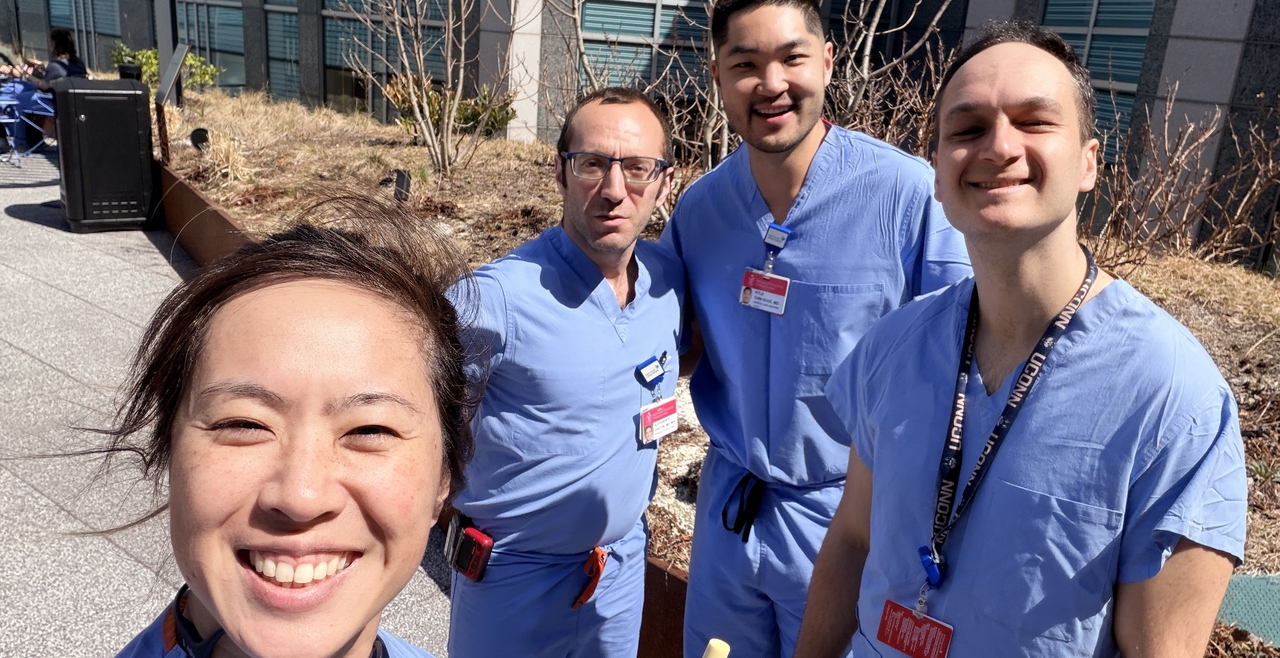
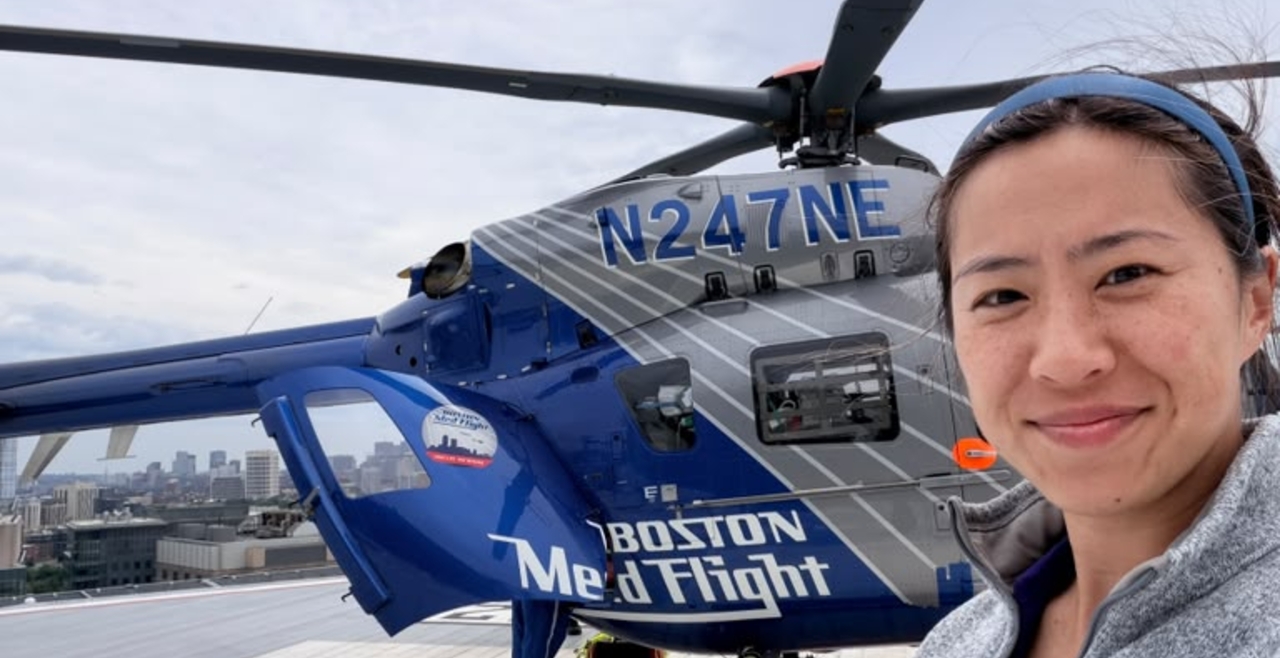
The mission of the ACGME-accredited Anesthesia Critical Care Fellowship at Beth Israel Deaconess Medical Center is to train physicians in the art and science of critical care medicine, allowing them to become compassionate and thoughtful leaders who can contribute to academic, clinical and educational achievements in our field. Our program seeks to build a strong clinical core in our trainees through broad exposure to different facets of intensive care and a comprehensive didactic program. We pride ourselves on constantly evolving our program to expand training and opportunities for our fellows, including in research, quality improvement and education.
Training Sites
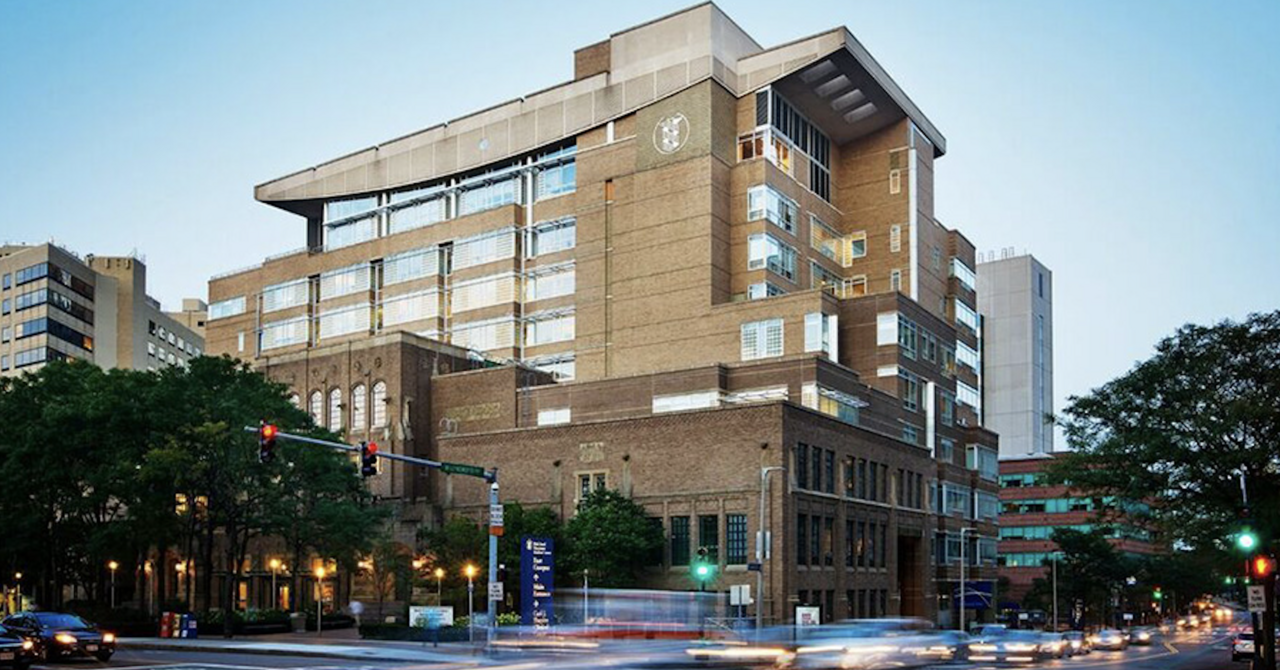
BIDMC (Boston, East Campus)
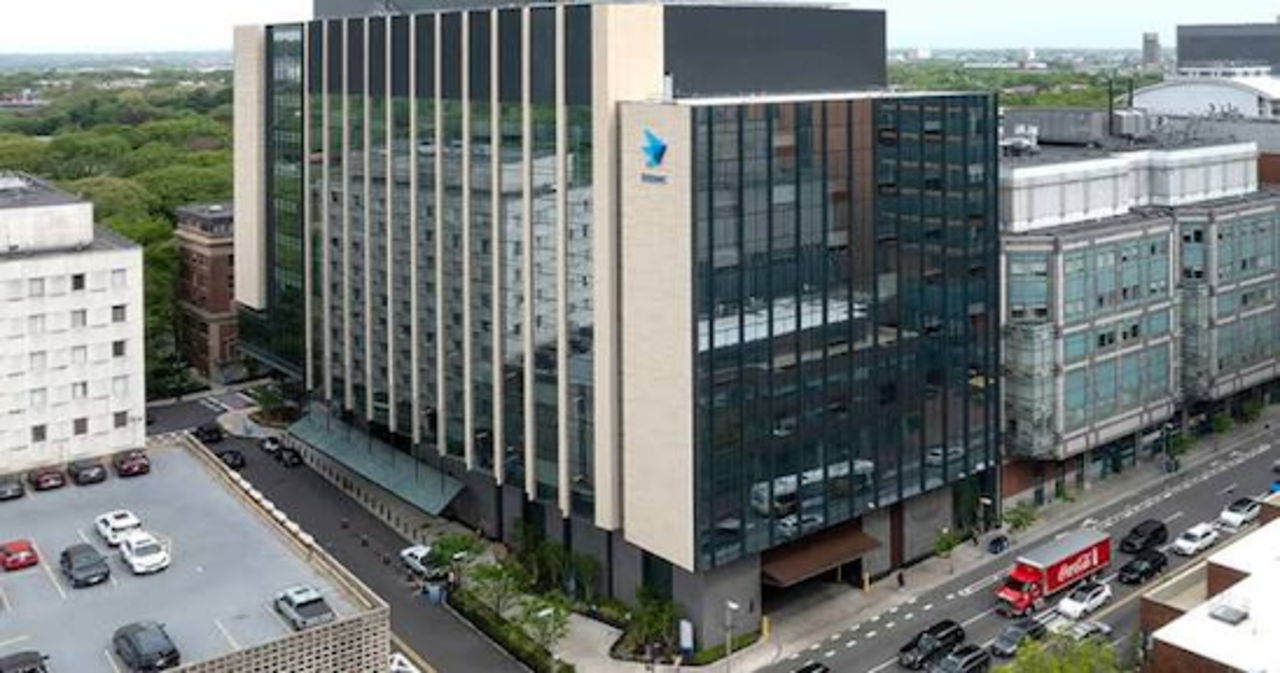
BIDMC (Boston, West Campus)
Fellowship Faculty
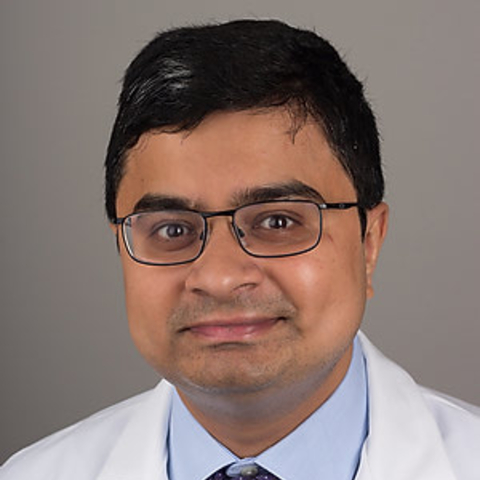
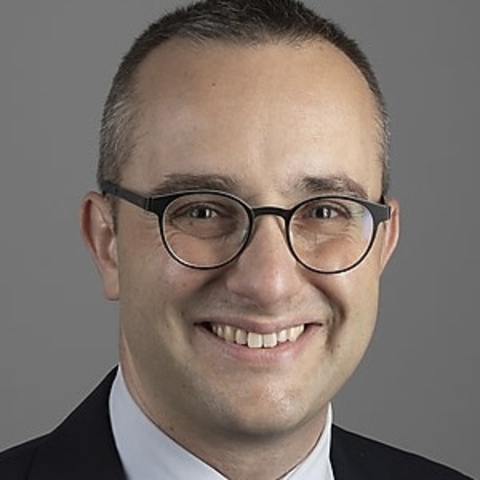
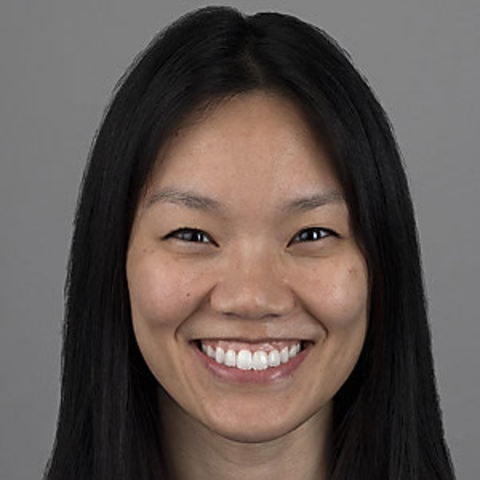
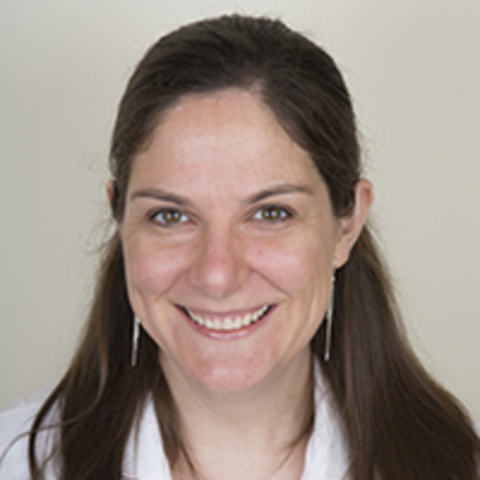
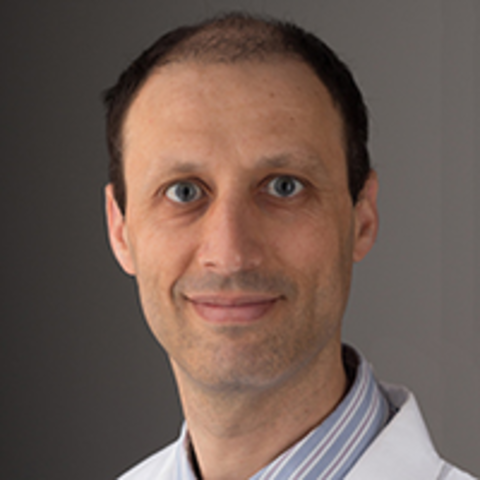

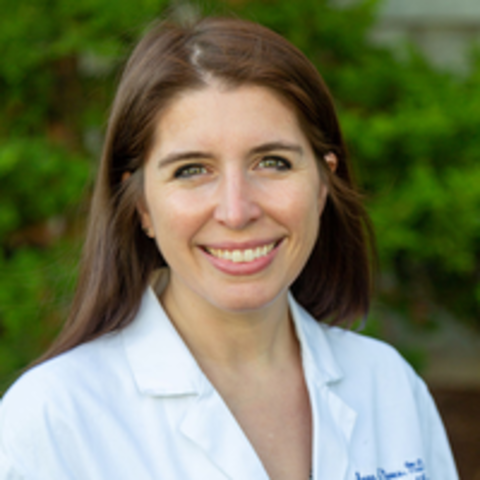
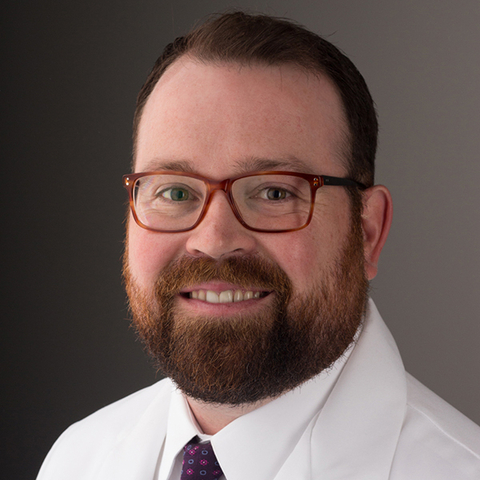
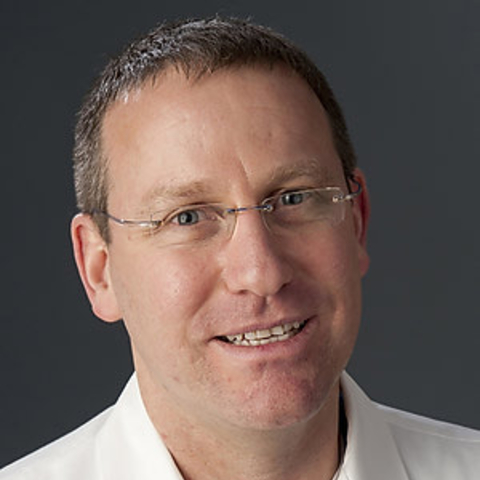
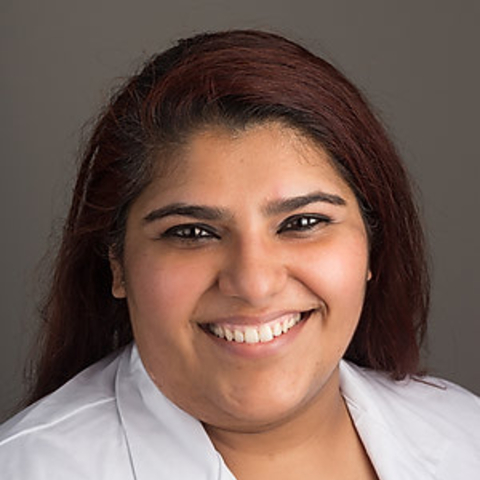
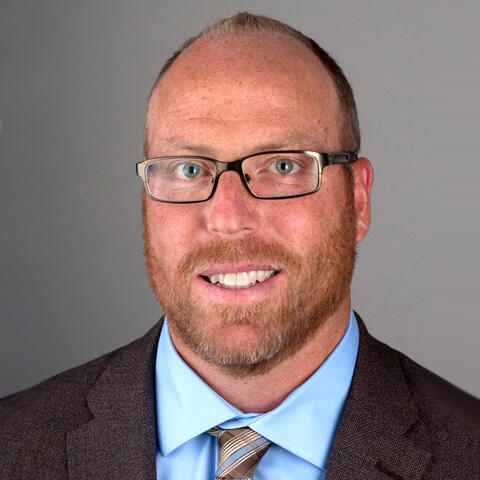

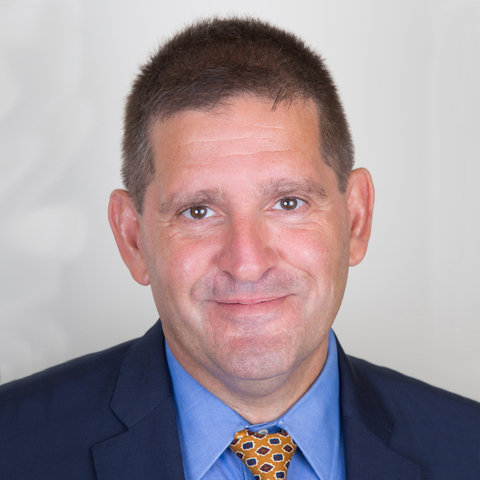
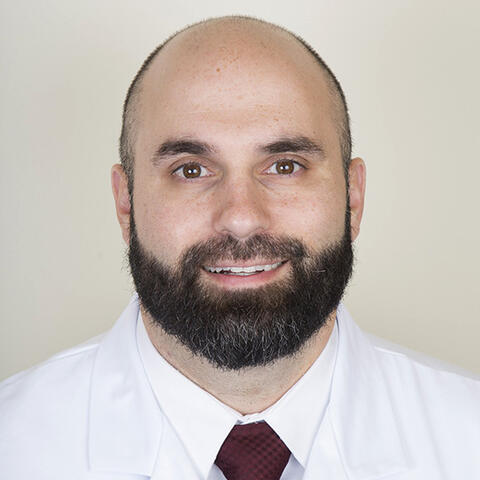
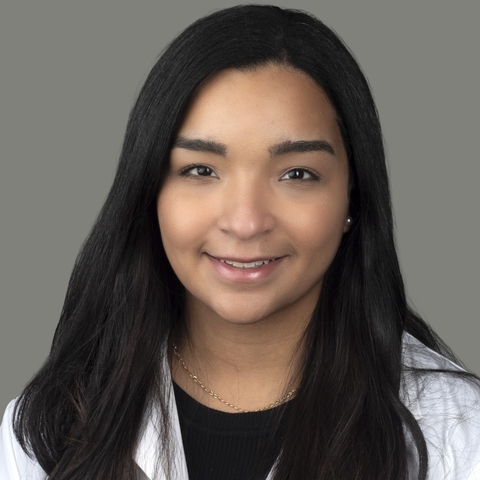
Critical Care Fellows

Our fellowship goals include:
- Clinical training focused on the management of a broad and complex critically ill patient population in a quaternary care medical center
- Enhanced fellow education by exposure to a wide range of multidisciplinary faculty specialists, both in and outside of the ICUs
- Early career development for our trainees, including mentoring in the areas of academic investigation, administration, quality improvement and education
- Development of an inclusive program that contributes to a representative and balanced critical care workforce by training a diverse group of fellows
Eligibility/How to Apply/Contact Information
The Anesthesia Critical Care Medicine Fellowship is an ACGME-accredited fellowship. All qualified applicants must be enrolled in or have completed an ACGME certified residency program or its equivalent.
We participate in the San Francisco Match that is sponsored by the Society of Critical Care Anesthesiologists (SOCCA). We also welcome applicants pursuing an Emergency Medicine/Critical Care Pathway and those applicants interested in pursuing a dual fellowship in Critical Care Medicine and Adult Cardiothoracic Anesthesia.
For applicants applying for the 2 year Dual Adult Cardiothoracic and Critical Care Medicine Fellowship:
- Complete an application for both Adult Cardiothoracic Fellowship and Critical Care Medicine through the San Francisco Match.
- Complete this supplementary form and email it to the program coordinator.
Program Director
Jessica Cassavaugh, MD, PhD
Email Jessica
Fellowship Coordinator
Rotations and Schedules
Our fellows spend nine months of the year at the heart of critical care, rotating through our core intensive care units: the Trauma and Surgical ICUs, Cardiovascular ICUs (both medical and surgical), and Neurosciences ICUs. Additional rotations in the Finard ICU, our combined medical-surgical unit, and on night float round out a training experience that's as diverse as it is demanding. These rotations expose fellows to a wide range of critical illness, including trauma, neurological injury, postoperative care, and patients on mechanical circulatory support. On each rotation, fellows work alongside attending physicians in leading a multidisciplinary team of dedicated residents and advanced practice providers, ensuring that upon completion of the year, each fellow has assumed a leadership role across every major intensive care setting.
Elective Rotations
The balance of the year consists of elective time. The fellows rotate with our colleagues in other departments to enhance their understanding of specialty practice, including a total of four weeks on a transthoracic echocardiography (TTE) rotation. Popular electives include Blood Bank, Infectious Diseases, Nephrology and Interventional Pulmonology. Fellows also use elective time to complete research and education projects.
Cardiovascular Intensive Care Unit
In the Cardiovascular Intensive Care Unit (CVICU), fellows care for patients recovering from complex cardiac surgery, including coronary artery bypass grafting, valve repair and replacement, heart transplantation, and aortic procedures. Working closely with cardiac surgeons and cardiac anesthesiologists, fellows learn to navigate the challenges unique to the early postoperative period, from bleeding and coagulopathy to vasoplegia, tamponade, and postoperative arrhythmias. The unit also cares for patients in cardiogenic shock and those requiring mechanical circulatory support, giving fellows hands-on experience with intra-aortic balloon pumps, Impella, and ECMO. Through daily bedside management of vasoactive therapy, invasive hemodynamic monitoring, and point-of-care echocardiography, fellows build the expertise and confidence to care for the most complex cardiac surgical patients.
Coronary Care Unit
During the Cardiac Care Unit (CCU) rotation, fellows care for patients with acute and complex cardiovascular disease, including acute coronary syndromes, cardiogenic shock, decompensated heart failure, and life-threatening arrhythmias. The unit also serves as a hub for post-cardiac arrest care and mechanical circulatory support (MCS), giving fellows meaningful experience with targeted temperature management, neuroprognostication, and the management of patients on MCS, including ECMO. Working closely with the cardiology team, fellows develop expertise in invasive hemodynamic monitoring, MCS, and point-of-care echocardiography, complementing their surgical and cardiovascular ICU experience and preparing them to manage the full spectrum of cardiac critical illness.
Neurosciences Intensive Care Unit
In the Neurosciences Intensive Care Unit, fellows care for patients with acute and life-threatening neurologic illness, including ischemic stroke, intracerebral and subarachnoid hemorrhage, traumatic brain injury, status epilepticus, and neuromuscular respiratory failure, as well as patients recovering from neurosurgical procedures. Working closely with neurocritical care, neurology, and neurosurgery teams, fellows develop a strong foundation in the serial neurologic examination, management of intracranial pressure and cerebral perfusion, and the ventilatory and hemodynamic strategies that protect the injured brain. Above all, fellows learn to recognize subtle signs of neurologic deterioration early and act decisively, skills that carry over to every ICU they will practice in.
Surgical Intensive Care Unit
In the Surgical Intensive Care Unit (SICU), fellows care for critically ill patients following major abdominal, thoracic, vascular, ENT, and other complex surgical procedures, including liver transplantation. Working closely with surgical teams, fellows guide patients through the most vulnerable stages of postoperative recovery, managing shock, respiratory failure, sepsis, and the full range of postoperative complications. Along the way, fellows build expertise in mechanical ventilation, invasive monitoring, source control decisions, and nutritional support, while learning to balance the priorities of the surgical and critical care teams. The rotation equips fellows with the judgment and collaborative skills essential to caring for any surgical patient in the ICU.
Trauma-Surgical Intensive Care Unit
In the Trauma-Surgical Intensive Care Unit, fellows care for patients with severe, often multisystem traumatic injuries, from the initial resuscitation through recovery. Fellows manage a wide range of injuries, including traumatic brain injury, thoracic and abdominal trauma, and hemorrhagic shock, often in patients whose condition can change rapidly. Working alongside trauma surgeons and a multidisciplinary team, fellows develop expertise in damage-control resuscitation, transfusion strategy, and mechanical ventilation, while learning to coordinate care across the many specialties involved in a single trauma patient. The rotation prepares fellows to lead with composure in some of the most time-sensitive situations in critical care.
Finard Intensive Care Unit
The Finard Intensive Care Unit is a 12-bed mixed medical-surgical ICU on BIDMC's East Campus, caring for a diverse patient population in close collaboration with oncology, colorectal surgery, OB-GYN, and other services. Fellows manage a broad range of critical illness, including respiratory failure, severe hyperglycemic emergencies, complications of hematologic malignancies, peripartum critical illness, and postoperative care following colorectal surgery. Working alongside the attending intensivist, fellows lead an interdisciplinary team of internal medicine residents, critical care nurses, respiratory therapists, and pharmacists. By the end of the rotation, fellows are prepared to run a busy service with confidence, managing multiple patients across varying levels of acuity and pathology at once.
Transthoracic Echocardiogram (TTE)
During the four-week Transthoracic Echocardiography (TTE) rotation, fellows build skills in both point-of-care and comprehensive cardiac ultrasound. Through hands-on scanning and guided image interpretation with our cardiology colleagues, fellows learn to assess ventricular function, volume status, valvular abnormalities, pericardial disease, and other key causes of hemodynamic instability. Most importantly, fellows learn to translate what they see on the screen into real-time decisions at the bedside, a skill that strengthens their practice in every ICU rotation and throughout their careers.
Electives
The remaining three months of the fellowship year is devoted to elective time, giving fellows the opportunity to train alongside colleagues in other departments and deepen their understanding of specialty practice. This includes dedicated transthoracic echocardiography (TTE) education. Beyond that, fellows are free to tailor their electives to their interests, with Blood Bank, Infectious Diseases, Nephrology, and Interventional Pulmonology among the most popular choices. Many also use this time to pursue research, education, or quality improvement projects.
Curriculum and Didactics
Our didactic program is designed to both give our fellows a strong foundation in core critical care medicine concepts and provide a deeper understanding of organ-specific disease. Our standing didactics include:
- Weekly ultrasound/echo conference, including lecture, case review and hands-on learning
- Weekly lecture, taught by faculty from various departments at BIDMC
- Weekly journal club, with fellow and faculty participation
- Biweekly Morbidity and Mortality Conference
- Combined didactics with the Cardiothoracic Anesthesia fellowship, including echocardiography teaching
- Dedicated neurocritical care didactics
Curriculum highlights include:
- Dedicated teaching around mechanical circulatory support (MCS) and extracorporeal life support
- Year-long ultrasound curriculum
- Lectures and workshops led by both core critical care faculty and faculty from other departments
- Robust weekly journal club covering both landmark and contemporary literature
- Continuous evaluation and expansion of the fellowship didactic program
Research and Other Opportunities
The faculty of the Division of Critical Care is involved in Research that spans basic science to clinical outcomes. Our fellows are encouraged to participate in clinical research that interests them, and their work is regularly published and presented at national conferences. Fellows are also involved in other scholarly projects, such as case reports and book chapters.
We also focus on the fellow's role as an educator. As such, our fellows teach medical students and residents at the bedside, at our weekly resident conferences, and during our structured courses.
All fellows are active participants on interdisciplinary committees that seek to improve the quality of care in our ICUs. In addition, our fellows have the opportunity to learn about the administration and management of a critical care unit through both observation and participation on administrative and executive committees.
BIDMC Graduate Medical Education
Please visit BIDMC GME website for additional information related to resources for the Fellows
Critical Care Recruitment Timeline

November 9, 2026

January, 2027

March/April 2027

May, 2027

June 3, 2027
