
Obstetric Anesthesiology Fellowship
Overview and Goals
The core philosophy of the Obstetric Anesthesiology Fellowship is to offer balanced training to the future OB anesthesiologist and provide the clinical, educational and research foundation required to provide the highest level of care to parturients. We seek to train physicians who can educate their colleagues across disciplines and participate in the scientific evolution of obstetric anesthesia. To create experts, we expose our trainees to a wide variety of educational materials, clinical experiences, instruction, and opportunities for independent learning. Fellows will participate in each of these four domains to evolve as comprehensive clinicians and leaders in the field.
- Clinical
- Administrative
- Education
- Research
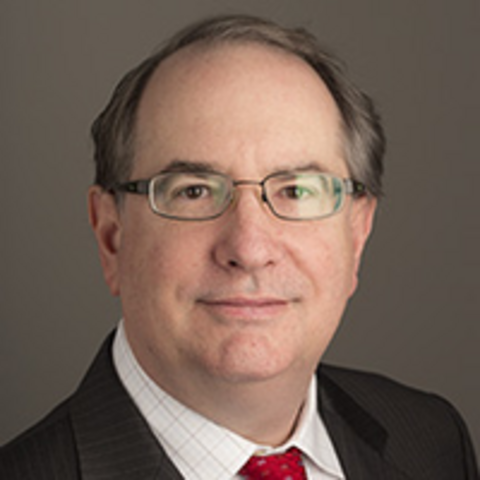
Current OB Anesthesia Fellow
Eligibility/How to Apply/Contact Information
The Obstetric Anesthesiology Fellowship is an ACGME-accredited fellowship. All qualified applicants must be enrolled in or have completed an ACGME certified residency program or its equivalent.
Our fellowship participates in the San Francisco Match. Please apply for this fellowship through the San Francisco Match.
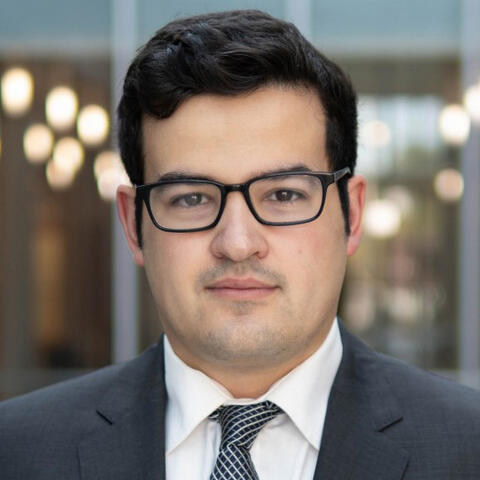
Program Director
Philip Hess, MD
Email Dr. Hess
Fellowship Coordinator
Rotations and Schedules
Our rotations are designed to provide a comprehensive clinical and educational experience in all aspects of obstetric anesthesia. During this year the fellow will spend time on the following rotations:
- Clinical Care of the Parturient: 7 months
- Research: 3 months
- Maternal-Fetal Medicine: 2 weeks
- Neonatal Intensive Care Unit (NICU): 2 weeks
- Transthoracic Echocardiography (TTE): 2 weeks
- Blood Bank: 1 week
- Global Health(optional): 1 to 2 weeks
Curriculum and Didactics
Our standing fellowship-specific didactics include:
- Weekly lectures presented by the faculty and allied services
- Monthly journal club/case-based discussion
- Point of care ultrasound training
- Thromboelastography
Fellows learn through mentoring by obstetric anesthesia specialists on the service. This is a process that is experientially-based and patient-centered. The fellow learns through active watching, listening, discerning, and doing in an apprenticeship model. We have deliberately cultivated a fellowship culture where faculty serve as role models to the future obstetric anesthesiologists, demonstrating not just optimal patient care but also critical review of the literature and a structured approach to interdisciplinary care of the parturient.
We pride ourselves on a model where our faculty is present for questions, discussion and consultation at all times. In addition, our hospital manages the New England Center for Placental Disorders, a well-established and robust multidisciplinary clinic. The fellows have comprehensive training in how to care for the patient with placenta accreta spectrum.
Research and Other Opportunities
Research is an essential tool for advancing the knowledge base of OB anesthesia and also keeps the researcher on the cutting edge of their field. We strongly believe research is a vital part of evolving into a complete clinician, and our faculty leads a number of different studies on various aspects of obstetric care.
The fellow will have at least one dedicated research project throughout the year. This includes navigating the IRB, subject enrollment, data collection, statistical analysis and write-up. The fellow will receive basic and/or advanced training in statistics and research design and will submit at least one abstract to a national meeting, such as the ASA or SOAP meetings.
