
Scientific Program Committee Co-Chairs
2026 Research Retreat Scientific Program Committee
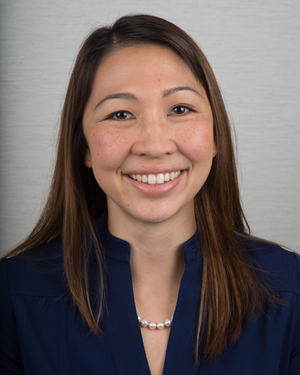
Martina L Porter, MD
Director, Clinical Laboratory for Epidemiology and Applied Research in Skin (CLEARS), BIDMC
Co-Leader, Pathogens, Immunity and Inflammation Hub, BIDMC
Dr. Martina Porter is the vice chair for research and academics in the department of dermatology at Beth Israel Deaconess Medical Center. She is also the director of the Clinical Laboratory for Epidemiology and Applied Research in Skin (CLEARS), and the co-leader of the Pathogens, Immunology, and Inflammation Translational Research Hub at Beth Israel Deaconess Medical Center. She is also the chair of the American Academy of Dermatology's Patient Safety and Quality Committee.
She specializes in treating immune-mediated dermatologic conditions, including hidradenitis suppurativa, psoriasis, atopic dermatitis, and inflammatory bowel disease–related dermatoses, with biologics and small molecules, and leads both investigator-initiated and phase 2 and 3 industry-sponsored clinical trials in these disease indications. Dr. Porter completed a combined dermatology residency and clinical research fellowship at Roger Williams Medical Center/Boston University and Massachusetts General Hospital, as well as a second research fellowship focused on clinical trials at Beth Israel Deaconess Medical Center. She is an assistant professor of dermatology at Harvard Medical School.

2026 Research Retreat Scientific Program Committee
Richard D. Cummings, PhD
S. Daniel Abraham Professor of Surgery
Harvard Medical School
Director, National Center for Functional Glycomics
Chief of Surgical Sciences
Beth Israel Deaconess Medical Center
Richard Cummings is the S. Daniel Abraham Professor of Surgery and is Director of the National Center for Functional Glycomics, an NIH-funded resource devoted to developing an understanding of the molecular pathways involving glycoproteins and their post-translational modifications with carbohydrates, and the functions of human glycans on glycoproteins and glycolipids in biology and disease. His work is primarily focused on 5 major areas - cancer biology and the development of novel therapeutic antibodies to tumor glycoproteins, with emphasis on pancreatic cancer - autoimmune disorders, such as IgA nephropathy, where he is developing an understanding of novel autoimmunity involving anti-carbohydrate antibodies to the glycans of IgA1 and consequent autoimmune complexes leading to renal disease – glycogenetics, where his group identifies key genes and biological pathological pathways regulating glycoconjugate biosynthesis, especially important in children with Congenital Disorders of Glycosylation - glycoimmunology, where he is developing novel monoclonal antibodies to glycan antigens using the sea lamprey (Petromyzon marinus) and the generation of chimeric human and murine Ig-based chimeric antibodies for diagnostics and therapeutics – and glycochemistry, where his group develops novel technologies to explore the expression of glycan structures in human and animal tissues, such as ABO blood group antigens, and antibodies to human carbohydrate antigens using glycan microarray and Luminex technologies.
Cummings’ success in these areas has led to his co-founding multiple biotechnology companies, numerous patents in the field of glycobiology, and over 500 peer-reviewed publications, along with several textbooks (Essentials of Glycobiology – now in its 4th Edition), and hundreds of review articles and book chapters. His work has led to insights and new treatments for inflammatory diseases, therapeutics involving glycoconjugates, new diagnostic for human congenital disorders, and multiple world-wide collaborations on the human glycome project, in which he is a co-Director.
Dr. Cummings’ research is supported by multiple NIH grants, including R33CA309703, R24GM137763, RO1CA288372, and PO1HL171803, and collaborations with industry and philanthropic support.
