
5th Pitch It! Competition
4:45 - 5:45 pm: 5th Pitch It! Competition for the ‘2026 Ignition Grants’
Pitchers:
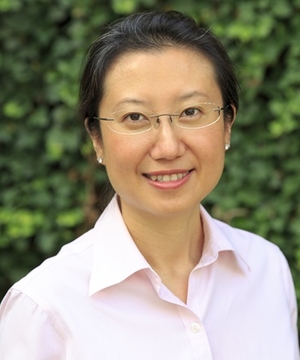
Trudy D. Pang, MD, MSc
Attending Epileptologist, Beth Israel Deaconess Medical Center
Assistant Professor of Neurology, Harvard Medical School, Beth Israel Deaconess Medical Center
Trudy D. Pang is an Assistant Professor of Neurology at Harvard Medical School and an epileptologist at Beth Israel Deaconess Medical Center (BIDMC). She serves as Director of the EEG Laboratory, Clinical Neurophysiology Fellowship, and Epilepsy Fellowship Programs at BIDMC. Dr. Pang leads a multidisciplinary translational research program investigating the cardiovascular consequences of chronic epilepsy through the integration of clinical epilepsy, cardiac electrophysiology, and advanced ECG analysis. Her research focuses on identifying novel ECG biomarkers for seizure prediction, seizure detection, cardiac risk stratification, and assessment of autonomic dysfunction. Her team introduced the concept of Epileptic Heart Syndrome, a framework describing the cumulative cardiovascular consequences of recurrent seizures and their contribution to arrhythmias, cardiovascular disease, and sudden cardiac death in epilepsy. Dr. Pang's research bridges fundamental mechanistic discoveries with clinical translation through the development of innovative neurocardiac monitoring technologies designed to improve seizure monitoring, cardiovascular risk assessment, and patient safety. Her long-term goal is to translate these discoveries into wearable technologies that improve clinical outcomes and reduce premature mortality in people living with epilepsy.
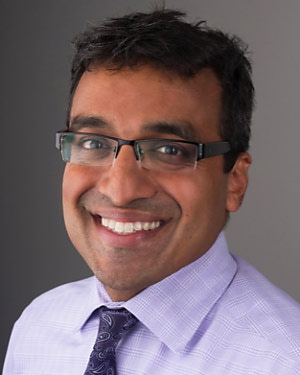
Dhruv Singhal, MD
Cosmetic, Plastic & Reconstructive Surgery
Co-Director, Boston Lymphatic Center
Associate Professor of Surgery, Harvard Medical School, Beth Israel Deaconess Medical Center
Dhruv Singhal is an Associate Professor of Surgery at Harvard Medical School, Co-Director of the Boston Lymphatic Center, and Director of Lymphatic Surgery at Beth Israel Deaconess Medical Center. A board-certified plastic and reconstructive surgeon, Dr. Singhal completed his surgical training at Brigham and Women's Hospital, and the Harvard Combined Plastic Surgery Program, followed by advanced fellowships in craniofacial surgery and microsurgery in Taiwan. Dr. Singhal is an internationally recognized leader in the prevention and treatment of lymphedema. He has performed more than 1,000 lymphatic procedures, including over 600 immediate lymphatic reconstruction (ILR) operations, representing one of the largest single-surgeon experiences worldwide. His clinical program is among the largest in the United States and is recognized as 1 of 20 Centers of Excellence in the world. His NIH-funded research focuses on lymphatic anatomy, with the goal of understanding why one-third of women develop lymphedema after breast cancer treatment while two-thirds do not. As Principal Investigator of multiple federally funded studies, including an R01 and U54 program, he leads translational efforts that bridge anatomical discovery with the development of innovative lymphatic surgical care.
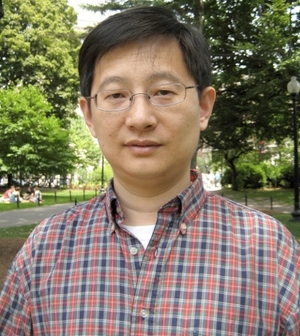
Wenyi Wei, PhD
Professor, Dept. of Pathology, Harvard Medical School, Beth Israel Deaconess Medical Center
Dr. Wenyi Wei received his BA from Shandong University in 1993 and then obtained his M.S. training in the Chinese Academy of Science from 1993 to 1996. Afterwards, Dr. Wei received his PhD training in the MCB department at Brown University and his postdoctoral training in the laboratory of Dr. William Kaelin, Jr. at Dana Farber Cancer Institute, Harvard Medical School. Dr. Wei became independent in 2006 in the Department of Pathology at Beth Israel Deaconess Medical Center, Harvard Medical School. The major focus of the Wei laboratory is understanding how aberrant cell signaling events contribute to cell cycle dysregulation and subsequent tumorigenesis, which will offer the molecular basis and rationale to develop novel anti-cancer therapies targeting specific cell signaling pathways.
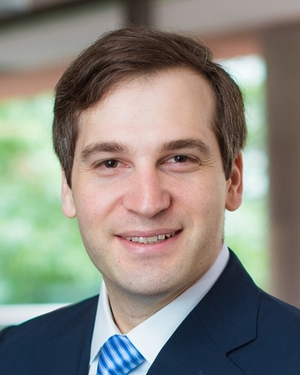
Kipp Weiskopf, MD, PhD
Head of Antibody Therapeutics and Biologics, BIDMC Cancer Research Institute
Physician, Dana-Farber Cancer Institute
Co-Founder, ALX Oncology, DEM Biopharma, Solu Therapeutics
Kipp Weiskopf, MD, PhD, is Head of Antibody Therapeutics and Biologics at Beth Israel Deaconess Medical Center's Cancer Research Institute. He leads an independent research laboratory that studies macrophages in the tumor microenvironment. The lab also pursues a multipronged immunoengineering effort to create novel antibodies, bispecific agents, and antibody-drug conjugates (ADCs) to benefit patients with cancer and other life-threatening diseases. Dr. Weiskopf earned his medical and graduate degrees at Stanford University. As a member of Dr. Irving Weissman's laboratory, he helped define the CD47/SIRPa interaction as an immune checkpoint that regulates macrophage phagocytosis. He established his laboratory as a Valhalla Fellow at Whitehead Institute for Biomedical Research. Dr. Weiskopf is an inventor on over 30 U.S. patents and applications pertaining to macrophage-directed therapies. He has co-founded three biotech companies pursuing drug development in oncology: ALX Oncology, DEM Biopharma, and Solu Therapeutics. He has also generated foundational intellectual property for Forty Seven, Inc. (acquired by Gilead), Bitterroot Bio, and Inograft. Dr. Weiskopf is a physician at Dana-Farber Cancer Institute in the Department of Medical Oncology. He completed his medical training in Internal Medicine at Brigham and Women's Hospital and his oncology fellowship at Dana-Farber Cancer Institute.
Judges:
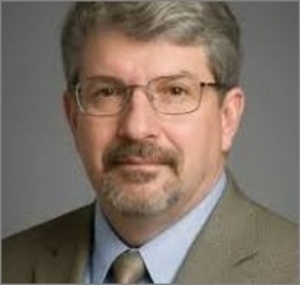
Christopher D. Breder, MD, PhD
Principal Manager, CIRCA-PhD LLC
BIDMC Venture Mentor
Christopher D. Breder is a physician-scientist with extensive experience in both the pharmaceutical industry and the U.S. Food and Drug Administration (FDA). As a former FDA Medical Officer and Lead Medical Officer, he contributed to the review of numerous INDs and multiple NDA/BLA approvals across neurology, anesthesiology, and rare diseases. In industry, he has served in senior clinical development leadership roles at Sunovion, Supernus, and Bristol Myers Squibb, and now consults widely across biotech, investment, and legal sectors. Dr. Breder brings deep expertise in clinical trial design, regulatory strategy, safety assessment, and product development from early-stage programs through approval, and into life cycle management. His dual perspective from within the FDA and as an executive in drug development makes him uniquely valuable as a subject matter expert for due diligence, regulatory interpretation, strategic advisement, and litigation support in FDA-related matters.
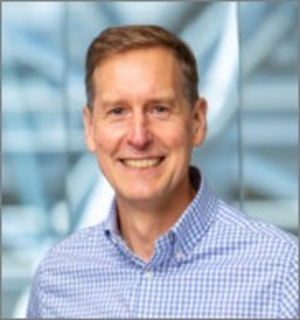
Michael Draper, PhD
Executive Director, AIM2 Discovery Center; Internal Medical Research Unit at Pfizer
Dr. Michael Draper is an accomplished scientific leader with over two decades of experience steering external innovation, alliance management, and translational drug discovery. He serves as an Innovation Fellow and Executive Director of the AIM² Discovery Center within Pfizer's Internal Medicine Research Unit, where he defines and drives the strategic vision for an AI-enabled drug discovery ecosystem. Prior to joining Pfizer, Dr. Draper was the Senior Vice President and Collaborator Lead for Evotec's LAB eN², a translational drug discovery accelerator focused on advancing academic breakthroughs into clinical candidates. His career in biotech operations and pharma partnering includes serving as Vice President of R&D Operations and Business Development at Curtiss Healthcare. He also held key leadership roles at Sanofi—where he headed external innovation for cardiovascular and metabolic diseases—and spent 13 years at Paratek Pharmaceuticals managing anti-infective drug discovery, drug evaluation, and clinical alliances. Dr. Draper began his industry career as a Senior Scientist at Aventis Pharmaceuticals following postdoctoral fellowships at Tufts University and the University of New Hampshire. Dr. Draper holds a PhD in Genetics from the University of New Hampshire, an M.S. in Molecular Biology from the University of Connecticut, and a B.S. in Biology from Saint Anselm College. He is also certified in regulatory affairs (RAC) by the Regulatory Affairs Professionals Society.

Uciane Scarlett, PhD
Partner, Founder, Stealth VC
Former Investor, MPM Capital, OSE, & Atlas Venture
Dr. Uciane Scarlett is a life sciences venture capitalist, company builder, and scientist with expertise in oncology, oligonucleotide therapeutics, and venture creation. She is the Founding Partner of a Boston-based early-stage venture creation fund. Previously, Dr. Scarlett was a Principal at MPM BioImpact, a life sciences venture firm managing more than one and half billon in-active funds, where she led investments, portfolio company operations, and venture-philanthropy initiatives, including a major collaboration with Dana-Farber Cancer Institute. She was also a Principal at Oxford Science Enterprises (OSE), a $1B fund, where she co-led life sciences and supported the creation and financing of companies including PepGen (NASDAQ: PEPG) and T-Cypher Bio. Earlier, she worked on the investment team at Atlas Venture, contributing to the creation and financing of companies including Dyne Therapeutics (NASDAQ: DYN). She began her career in strategy and business development at Compass Therapeutics (NASDAQ: CMPX) and as a consultant at Clarion, now Lumanity. Dr. Scarlett founded and co-hosts Emerging Frontiers in Oncology, an annual fundraising summit now in its 8th year. She serves on the Board of Advisors of Dartmouth's Geisel School of Medicine and is involved with Boston Ballet. She earned a PhD in Cancer Immunology from Dartmouth and a first-class honors BSc from the University of the West Indies.
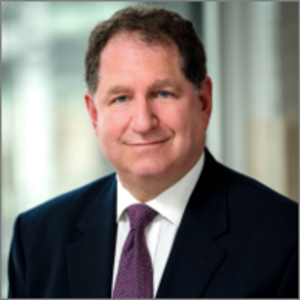
Mark Tepper, PhD
Retired Biotech Executive / Entrepreneur
Entrepreneur in Residence at BIDMC
Mark Tepper is a serial biotechnology entrepreneur with a proven track record of founding, building, financing, and leading innovative life science companies from inception through clinical development, public offerings, acquisitions, and strategic exits. Founder of multiple biotechnology companies based on novel technology platforms spanning RNA interference, functional monoclonal antibodies, rationally designed small molecules, biosensors, microfluidics, and biomaterials. For more than 35 years, he has directed drug discovery and development programs across a broad range of therapeutic areas, including oncology, immunology, rheumatology, endocrinology, metabolic disease, inflammation, neuroscience, pain, and rare diseases. He combines deep scientific expertise with extensive executive leadership experience to translate breakthrough academic discoveries into first-in-class therapeutics. Earlier in his career he held senior executive and board-level positions within the pharmaceutical industry, contributing to corporate strategy, product development, and commercial growth. He brings broad expertise in technology assessment, scientific and commercial due diligence, company formation, fundraising, strategic planning, intellectual property licensing, business development, operational leadership, and recruiting high-performing multidisciplinary teams.
