
Panel Discussion Session 1B
9:30 - 10:30 am: Metabolism and Imaging
Speakers:
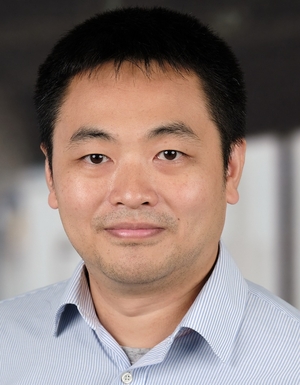
Chi Ngai Chan, PhD
Director, Tissue Technologies Unit, Beth Israel Deaconess Medical Center, Harvard Medical School
Associate Director, Immunology Technologies Core, Center for Virology and Vaccine Research, Beth Israel Deaconess Medical Center, Harvard Medical School
Dr. Chi Ngai Chan is Director of the Tissue Technologies Unit and Associate Director of the Immunology Technologies Core at the Center for Virology and Vaccine Research, Beth Israel Deaconess Medical Center, and Harvard Medical School. Trained as a virologist, he spent more than a decade studying HIV-1/AIDS before expanding his work into research, histotechnology and spatial biology. His current focus is applying advanced histology and spatial-omics technologies to investigate tissue microenvironments in infectious disease and cancer. He has also helped develop high-plex spatial multi-omics methods, including IN-DEPTH, which integrates proteomic and transcriptomic profiling on the same tissue section.
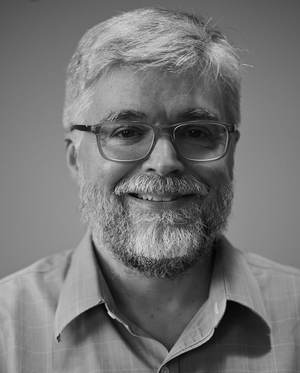
Aaron Grant, PhD
Director, Preclinical MRI Core, Member, Division of MRI Research, Beth Israel Deaconess Medical Center
Assistant Professor of Radiology, Beth Israel Deaconess Medical Center, Harvard Medical School
Aaron Grant is the director of the Preclinical MRI Core and a member of the Division of MRI Research at BIDMC. His work focuses on developing new techniques for non-invasive imaging of perfusion and metabolism using hyperpolarized carbon-13 MRI, with applications to cancer diagnosis and treatment monitoring.
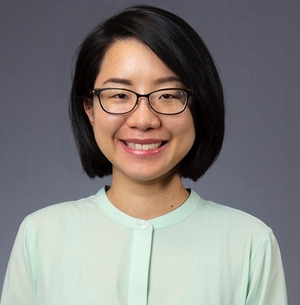
Zsu-Zsu Chen, MD, MPH
Assistant Professor, Division of Endocrinology, Bone, and Metabolism, Harvard Medical School
Director, BioDataBank
Co-director, Systemic Effects of Metabolic Disease Research Hub
The research of Zsu-Zsu Chen aims to identify metabolite and protein biomarkers of type-2 diabetes (T2D) that define T2D subtypes to better quantify individual disease risk, biologically meaningful time intervals that reflect important metabolic transitions from euglycemia to overt diabetes, and integration with genomics to nominate potentially causal circulating factors and pathways that can be targeted for novel diabetes therapies.
To achieve these aims, Dr. Chen has conducted deep metabolomic (studying with “known” and “unknown” compounds) and proteomic profiling in large population cohorts and randomized control trials. Her findings have included a novel deoxy-ceramide that predicts increased risk for T2D, the identification of circulating metabolites that are associated with T2D progression in both adults and youths, and that repeated proteomic measurements identify distinct biological pathways compared to single-timepoint measurements. Circulating small molecules—or metabolites—and proteins can serve as both biomarkers that predict the development of disease and long-term outcomes and that reveal the biological pathways that contribute to disease.
Dr. Chen is also Director of the BIDMC BioDataBank which focuses on decreasing the threshold required for researchers to access human-derived samples for translational research, including liquid and histological samples and acquiring analytical applications to help streamline data analyses.
Moderators:
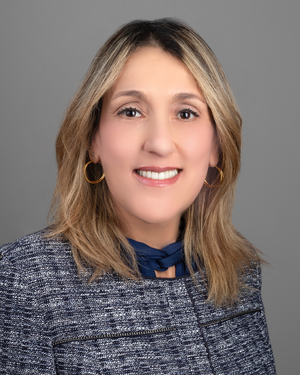
Malika Aid Boudries, PhD
Assistant Professor of Medicine, Harvard School of Medicine
Principal Investigator, Bioinformatics and Computational Genomics and Epigenetics Laboratory
Center for Virology and Vaccine Research, Harvard School of Medicine
Dr. Malika Aid Boudries is an Assistant Professor of Medicine and a Principal Investigator at the Center for Virology and Vaccine Research at Harvard Medical School, where she leads high-impact research at the intersection of Bioinformatics, OMICS technologies, artificial intelligence, immunology, and vaccine development.
Areas of expertise: AI-Driven HIV predictors of rebound following ATI studies in PLWH; AI-Driven Drug Discovery and Next-Generation Vaccine Design; Translational Vaccine Development for Existing, Emerging, and Global Pathogens; Single-Cell Multi-Omics Technologies for Systems Immunology and Immune Profiling; Computational Genomics, Epigenetics, and Bioinformatics for Host-Pathogen Interaction Mechanisms.
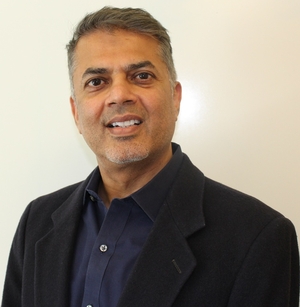
Rohit N. Kulkarni, MD, PhD
Professor of Medicine, Harvard Medical School
Diabetes Research and Wellness Foundation Endowed Chair
Co-Section Head, Islet Cell and Regenerative Biology
Senior Investigator, Joslin Diabetes Center
Rohit N. Kulkarni holds the Diabetes Research and Wellness Foundation Chair; Co-Section Head of Islet Cell and Regenerative Biology and Associate Director of the Diabetes Research Center at Joslin. He is Professor of Medicine, Harvard Medical School, an Associate Member of the Broad Institute at MIT/Harvard and Principal Faculty at Harvard Stem Cell Institute. He is recognized for excellence in diabetes research by the Ernst Oppenheimer Award by the Endocrine Society, Albert Renold Prize by the European Association for the Study of Diabetes (EASD), and Paul E. Lacey Medal and Award. He is an elected member of the American Association of Clinical Investigation, Association of American Physicians and American Association for the Advancement of Science. His laboratory is interested in investigating mRNA modifications, organ crosstalk and pancreatic endocrine and exocrine regulation in the long-term goal of finding cures for diabetes and obesity.
