
Panel Discussion Session 2A
1:45 - 2:45 pm: Human Models of Disease: Patient-Specific Approaches
Speakers:
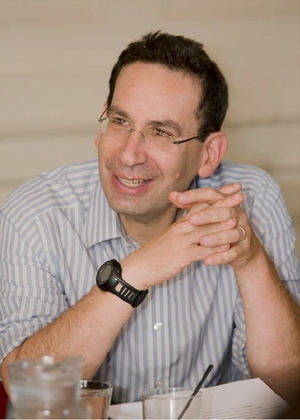
Martin Pollak, MD
George C. Reisman Professor of Medicine, Harvard Medical School
Chief, Division of Nephrology, Harvard Medical School
Dr. Martin Pollak is a clinical scientist recognized for his studies in the genetic basis of kidney disease. He is known for his contributions to understanding the molecular and genetic basis of diseases of human glomerular function and in understanding the genetic basis the high rate of kidney disease in individuals of recent African descent. Dr. Pollak’s studies have garnered him considerable international stature as a renal molecular geneticist. He has been continuously funded through the NIH since 1992. His recent notable accomplishments include being elected member to the National Academy of Sciences (2014), selected as the recipient of the American Society of Nephrology, Homer W. Smith Award (2017), and was named Awarded Medical Honoree, from NephCure Kidney International (2020). Dr. Pollak’s laboratory in interested in the molecular genetic basis of human kidney disease, with a particular focus on diseases of the glomerulus. His laboratory uses a combination of methods, including human genetics, mouse genetics, cell biology, and biochemical tools to understand the connection between phenotype and genotype and to understand glomerular physiology. He and his colleagues have shown that variants in the APOL1 gene both lead to increased rates of kidney disease in people of recent African ancestry, as well as resistance to certain forms of trypanosomal infection. He and his colleagues continue to study the genetics and biology of APOL1-associated kidney disease, a major public health problem in the US. His laboratory hosts bright trainees in nephrology and genetics from BWH, BIDMC, Children's Hospital, as well as outside institutions. At Harvard, Dr. Pollak is admired for his contributions in teaching human genetics to medical and graduate students, and for providing forward-looking clinical care as an attending physician.
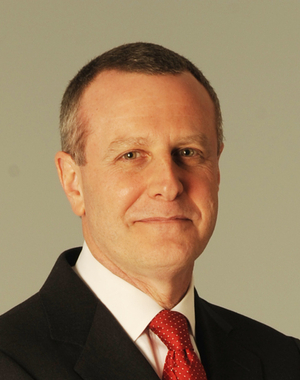
Steven Freedman, MD, PhD
Professor, Department of Medicine, Harvard Medical School
Internal Medicine-Gastroenterology
Director, Epstein Society
Director, The Pancreas Center
Chief, Division of Translational Research, Boston Children's Hospital and Beth Israel Deaconess Medical Center
Steven Freedman is Director of the Pancreas Center at Beth Israel Deaconess Medical Center, Chief of the Division of Translational Research, and Professor of Medicine at Harvard Medical School, Boston, Massachusetts. He has played a leadership role in clinical/translational research both at Beth Israel Deaconess Medical Center and at Harvard Medical School through his prior role as the Associate Dean for Clinical and Translational Research and Co-director of the Harvard CTSA (Harvard Catalyst). He is Director of the Grant Review and Support Program (GRASP) of the Harvard Clinical and Translational Science Center, which is a unique longitudinal program that provides project management support and grant writing tools to enhance the transition from the NIH K to R01 grant for junior faculty across the Harvard affiliated hospitals.
Dr. Freedman's expertise is in exocrine pancreatic disease with a particular focus on pancreatitis, pancreatic cancer, pancreatic enzyme development and cystic fibrosis (CF) as well as diseases of premature infants. He is an internationally recognized leader in these areas with an extensive research program that encompasses both basic science discovery/fatty acid metabolism as well as clinical trials.
He helped establish the CF Foundation-funded DIGEST program to train pediatric and adult gastroenterologists in the GI aspects of CF. He also plays a leadership role for the CF Foundation to design, develop and carry out GI-related CF research across the U.S. He helped create RELiZORB and led the clinical trials and its FDA approval. He has now helped develop a recombinant version of pancreatic enzymes which is now in Phase I trials.
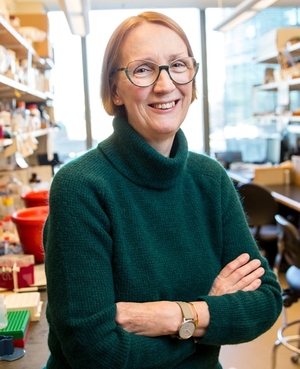
Jeantine Lunshof, PhD
Philosopher/Ethicist/Senior Research Scientist, George Church Lab, Dept. of Genetics, Harvard Medical School
Jeantine Lunshof studied Philosophy and Tibetan Language and Culture in Hamburg. Following her BA, she obtained a nursing degree and studied Philosophy and Health Law in Amsterdam. She obtained her PhD from VU University Amsterdam with a thesis on advanced genomic technologies and innovation in ethics. Jeantine was awarded a Marie Curie Fellowship by the European Commission. She developed the practice model of Collaborative Ethics on the work floor of the lab. Her research interests are in philosophical research ethics in genomic sciences and biological engineering where disruptive technological innovations call for conceptual and normative exploration; current focus is on xenobots, microphysiological model systems, cyborg organoids, expanded DNA alphabets, and AI-agents. Jeantine conducts her research as Philosopher/Ethicist/Senior Research Scientist in the lab of George Church at the Dept. of Genetics at Harvard Medical School.
Moderators:
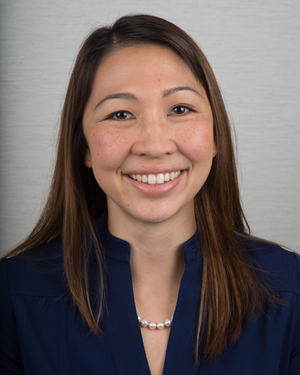
Martina L Porter, MD
Director, Clinical Laboratory for Epidemiology and Applied Research in Skin (CLEARS), BIDMC
Co-Leader, Pathogens, Immunity and Inflammation Hub, BIDMC
Dr. Martina Porter is the vice chair for research and academics in the department of dermatology at Beth Israel Deaconess Medical Center. She is also the director of the Clinical Laboratory for Epidemiology and Applied Research in Skin (CLEARS), and the co-leader of the Pathogens, Immunology, and Inflammation Translational Research Hub at Beth Israel Deaconess Medical Center. She is also the chair of the American Academy of Dermatology's Patient Safety and Quality Committee.
She specializes in treating immune-mediated dermatologic conditions, including hidradenitis suppurativa, psoriasis, atopic dermatitis, and inflammatory bowel disease–related dermatoses, with biologics and small molecules, and leads both investigator-initiated and phase 2 and 3 industry-sponsored clinical trials in these disease indications. Dr. Porter completed a combined dermatology residency and clinical research fellowship at Roger Williams Medical Center/Boston University and Massachusetts General Hospital, as well as a second research fellowship focused on clinical trials at Beth Israel Deaconess Medical Center. She is an assistant professor of dermatology at Harvard Medical School.

Yury V. Popov, MD, PhD
Associate Professor of Medicine
Director, GI and Liver Research
Co-Director, Pathogens, Immunity, and Inflammation Translational Research Hub
Harvard Medical School, Beth Israel Medical Center, Boston, USA
Yury V. Popov received an MD in 1997 from Grodno State Medical School, Belarus and PhD in Biochemistry in 2004 from Institute of Biochemistry, National Academy of Sciences of Belarus. He trained in translational liver fibrosis research at the University of Erlangen-Nuremberg, Germany as an international Sheila Sherlock EASL Fellow. Dr. Popov is currently directing a Liver Fibrosis Research Lab and Core at Beth Israel Deaconess Medical Center and holding an appointment of Associate Professor of Medicine at Harvard Medical School. He is an associate editor of Portal Hypertension & Cirrhosis, formerly an Associate Editor of American Journal of Physiology-Gastrointestinal and Liver Physiology and is on editorial boards or ad hoc reviewer for more than 30 scientific journals including Hepatology, Gastroenterology, Journal of Clinical Investigation, Nature Medicine and Science Translational Medicine. Yury is also a founding co-director of the Translational Research Hub “Pathogens, Immunity and Inflammation” at BIDMC.
Dr. Yury Popov's NIH-, industry- and private foundations funded laboratory's major research focus is on liver fibrosis/cirrhosis and its life-threatening sequelae. Specifically, his multidisciplinary team investigates the basic mechanisms of progression and regression of liver scarring, with the goal of the development of non-invasive diagnostic tools to measure these processes in the clinic, and novel therapies to prevent and reverse cirrhosis and its life-threatening complications such as primary liver cancers. Popov Laboratory is also actively working on the development, validation and optimization of small animal models of cirrhosis and liver cancer for novel drug target discovery and efficacy testing. His lab discovered several pathways responsible for fibrosis progression, including elucidation of the molecular mechanisms of fibrotic matrix stabilization and collagen cross-linking which make liver scarring irreversible, defining the role of TGFbeta-activating integrins in fibrosis progression and identification of mitochondrial DAMPs as a potent fibrogenic signal, with far reaching diagnostic and therapeutic implications.
