
Faculty
The Cardiovascular Medicine Fellowship Faculty at BIDMC develops leaders through unique clinical experiences, strong mentorship, and innovative teaching methods. Our dedicated faculty members are known in their area of expertise and are committed to providing a comprehensive education in cardiovascular medicine.
Meet Our Faculty
Robert E. Gerszten, MD
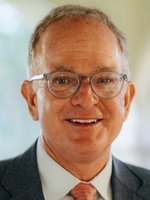
Robert E. Gerszten, MD
Robert E. Gerszten, MD, is Chief of Cardiovascular Medicine at the Cardiovascular Institute, Professor of Medicine at Harvard Medical School and a Senior Associate Member of the Broad Institute. His research focuses on the nexus of cardiac and metabolic diseases. This translational research program is a national leader in the use of metabolomics and proteomic technologies – and the integration of this information with human genetics – for the discovery of new biomarkers and pathways contributing to atherogenesis and its complications. The Gerszten team has identified novel biomarkers that single out individuals destined to develop diabetes and heart disease more than a decade before disease onset, with the goal of determining which of these patients might benefit from clinical interventions. Dr. Gerszten’s research is funded by the National Institutes of Health and the American Heart Association. He is an active clinician in the Coronary Care Unit. He is the recipient of the William Silen Lifetime Achievement in Mentoring Award from Harvard Medical School.
Peter J. Zimetbaum, MD
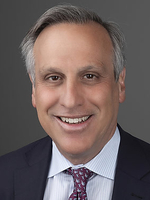
Peter J. Zimetbaum, MD
Peter J. Zimetbaum, MD, is the Richard and Susan Smith Professor of Cardiovascular Medicine at Harvard Medical School; Associate Chief and Clinical Director of Cardiology at BIDMC. He is a clinical electrophysiologist with a particular interest in the clinical management of atrial fibrillation, sudden death syndromes and complex device management. Dr. Zimetbaum directs the ECG and Arrhythmia Core Laboratory at the Baim Institute for Clinical Research and is the co-editor of Cardiology in Review. He authored the well-received textbook, Practical Clinical Electrophysiology.
Anne-Marie Anagnostopoulos, MD, FACC
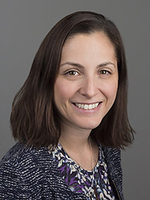
Anne-Marie Anagnostopoulos, MD, FACC
Anne-Marie Anagnostopoulos, MD, FACC is the Director of Recruitment and Advancement of Women Fellows in Cardiology Training at BIDMC. She also serves as a member of the BIDMC Department of Medicine Advancement of Women committee. Dr. Anagnostopoulos is a general cardiologist whose interests include cardiovascular risk assessment of kidney and liver transplant candidates, cardiovascular disease in women, as well as echo interpretation.
Aarti H. Asnani, MD
Aarti H. Asnani, MD
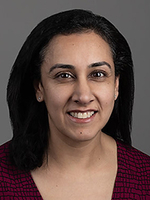
Aarti H. Asnani, MD, is the Section Head of Cardio-Oncology at BIDMC and an Assistant Professor at Harvard Medical School. She is a principal investigator in the BIDMC CardioVascular Institute and an Associate Member of the BIDMC Cancer Research Institute. Dr. Asnani graduated from Duke University with a degree in chemistry and French. She completed clinical training in internal medicine and cardiology at Massachusetts General Hospital, followed by a postdoctoral fellowship in chemical biology. Dr. Asnani transitioned to BIDMC in 2017, where she leads a basic and translational research lab focused on mechanisms of cardiovascular toxicity associated with cancer therapies.
Mark Benson, MD, PhD
Mark Benson, MD, PhD
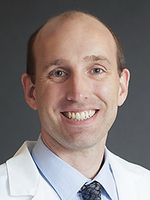
Mark Benson, MD, PhD, is Director of Preventive Cardiology at BIDMC and an Assistant Professor of Medicine at Harvard Medical School. His main clinical and research focus is on the application of emerging metabolomics, proteomics, and clinical phenotypic methods to identify new targets for metabolic and preventive atherosclerotic cardiovascular disease therapy. He works with a diverse group of collaborators and fellows to develop new ways to further study these methods in both laboratory and clinical settings.
Clifford Berger, MD
Clifford Berger, MD
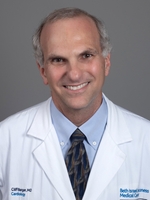
Cliff Berger, MD, is an Instructor in Medicine at Harvard Medical School. He is Chief of the Division of Cardiology at Beth Israel Deaconess Hospital–Needham (BID–Needham) and oversees the hospital’s comprehensive community-based cardiology program. He also is a member of the Interventional Cardiology Division at BIDMC-Boston and Plymouth and also covers the Cardiology teaching services at BIDMC-Boston. He trained at Beth Israel Deaconess Medical Center from 1988-1996 in Internal Medicine, Cardiology, and Interventional Cardiology and was also Chief Medical Resident in 1992.
Alfred E. Buxton, MD
Alfred E. Buxton, MD
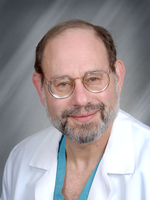
Alfred E. Buxton, MD, is a clinical electrophysiologist at Beth Israel Deaconess Medical Center. Dr. Buxton received his BA from the University of Rochester, and MD from the University of Pennsylvania. He completed internal medicine, cardiology, and clinical electrophysiology training at the Hospital of the University of Pennsylvania. He served in the US Public Health Service at the Centers for Disease Control from 1975-77. He then joined the faculty of the University of Pennsylvania School of Medicine, where he remained for 12 years, then moved to Temple University School of Medicine where he was Associate Director of the Cardiology Division. In 1999 he moved to Brown University and Rhode Island Hospital as Director of the Electrophysiology Laboratory. In 2004 he became the Director of the Cardiology Division at Rhode Island and Miriam Hospitals, and was named Ruth and Paul Levinger Professor of Cardiology. He joined Beth Israel Deaconess Medical Center in May 2011 as Director of the Clinical Electrophysiology Laboratory and EP Fellowship Training Program. He subsequently assumed directorship of the ECG Lab at Beth Israel Deaconess Medical Center. He was appointed Professor of Medicine at Harvard Medical School in 2014. He was PI of the NIH-funded Multicenter UnSustained Tachycardia Trial (MUSTT) beginning in 1990. His current research focuses on 2 areas: methods to predict risk of sudden cardiac death, the appropriate role of implantable defibrillators for prevention of sudden cardiac death, and mechanisms of conduction abnormalities following transcatheter aortic valve replacement (TAVR).
Brett Carroll, MD
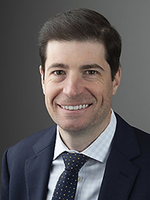
Brett Carroll, MD
Brett Carroll, MD, is Director of Vascular Medicine at BIDMC and Assistant Professor of Medicine at Harvard Medical School. He staffs the inpatient vascular medicine consult service and directs the Massive and Submassive Clot On-Call Team, BIDMC’s PE response team. His outpatient clinic focuses on aortic disease, peripheral vascular disease, venous thromboembolism, and lymphatic medicine, in addition to general cardiology. He also interprets vascular laboratory studies. His research interests include pulmonary embolism, lymphedema and management of aortic disease.
James D. Chang, MD
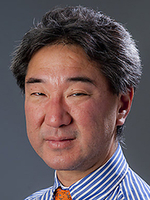
James D. Chang, MD
James D. Chang, MD, is Assistant Professor of Medicine at Harvard Medical School and a member of the CardioVascular Institute's Advanced Heart Failure Center program. He is involved in research activities pertaining to early detection and prevention of cancer therapeutics-associated cardiotoxicity and to the role of implantable hemodynamic monitoring devices in the management of advanced heart failure. In addition to his work in advanced heart failure, he is an active member of the echocardiography laboratory.
Daniel E. Cruz, MD
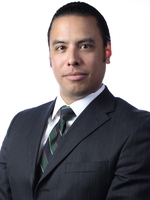
Daniel E. Cruz MD
Daniel E. Cruz, MD, is a general cardiologist and Instructor in Medicine at Harvard Medical School. He is a graduate of Weill Cornell Medical College, completed his internal medicine training at the Johns Hopkins Hospital and his cardiology training at Beth Israel Deaconess Medical Center. Dr. Cruz sees patients at the BIDMC-Chelsea outpatient clinic and attends on the Zoll inpatient cardiology service. His research integrates genomics, admixture mapping, proteomics, and metabolomics to better understand the pathophysiology of cardiometabolic diseases. Dr. Cruz aims to translate these findings to clinical practice in an effort to provide more personalized medicine.
Donald Cutlip, MD
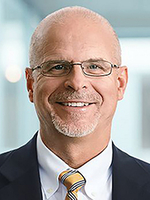
Donald Cutlip, MD
Donald Cutlip, MD, is Professor of Medicine at Harvard Medical School and a Senior Investigator at the Baim Institute for Clinical Research. His research interests include the study of clinical outcomes after percutaneous coronary intervention with special interest in patients with diabetes and stent thrombosis. Over the past 25 years he has been a leader in clinical trials of coronary intervention and has been responsible for the standardization of clinical endpoint definitions for these trials.
Andre d’Avila, MD
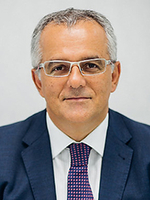
Andre d’Avila, MD
Andre d’Avila, MD, is Director of the Cardiac Arrhythmia Service and the Harvard Thorndike Electrophysiology Institute. An internationally recognized clinician, educator, and investigator, he has helped shape the field of cardiac electrophysiology worldwide. Widely respected as an outstanding lecturer and mentor, Dr. d’Avila is deeply committed to excellence in patient care, clinical practice and innovation, and the training of future electrophysiologists. His academic and clinical work centers on the mapping and ablation of complex atrial and ventricular arrhythmias. Together with colleagues in Brazil, he helped pioneer epicardial ablation and was instrumental in establishing the technique in the United States. He has authored more than 350 original scientific publications, 20 book chapters, and a book devoted to epicardial catheter ablation.
Loryn S. Feinberg, MD
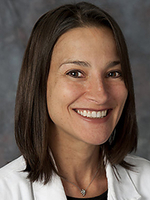
Loryn S. Feinberg, MD
Loryn S. Feinberg, MD, is Assistant Professor of Medicine at Harvard Medical School, the director of the Women’s Cardiovascular Health Program and a clinical and non-invasive cardiologist. She specializes in non-invasive testing, interpreting echocardiography and cardiac MRIs, attends in the CCU throughout the year and has an outpatient cardiology practice. Her clinical interests include the evaluation and treatment of women with cardiovascular disease and pregnant women with cardiac disease.
Ariane "CoCo" Fraiche, MD
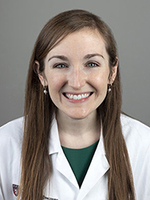
Ariane "CoCo" Fraiche, MD
Ariane "CoCo" Fraiche, MD, is Instructor of Medicine at Harvard Medical School and a clinical and non-invasive cardiologist. Dr. Fraiche specializes in non-invasive testing with echocardiography as well as inpatient and outpatient consultative cardiology services in the community. Her clinical interests include preventive cardiology, valvular heart disease, coronary artery disease, and heart failure. She was a 2020-2021 Rabkin Fellow in Medical Education. She is an associate program director in the cardiovascular medicine fellowship and a firm chief in the internal medicine residency. Her research interests include medical education in cardiovascular disease as well as special topics in echocardiography and communication in cardiology.
Prakriti Gaba, MD, MPH

Prakriti Gaba, MD, MPH
Prakriti Gaba, MD, MPH is an interventional and structural cardiologist. Dr. Gaba received her undergraduate degree from the California Institute of Technology and her MD from the Mayo Clinic Alix School of Medicine. She completed her Internal Medicine Residency at Columbia University Medical Center and fellowships in Cardiovascular Medicine, Interventional Cardiology, and Structural Heart Disease at Brigham and Women’s Hospital. She also received an MPH from the Harvard T.H. Chan School of Public Health and completed a T32 fellowship in clinical trial design at the TIMI Study Group. Her research focuses on structural heart disease and coronary interventions, with a particular interest in improving the design of device trials and enhancing their applicability to patients encountered in routine clinical practice.
A. Reshad Garan, MD
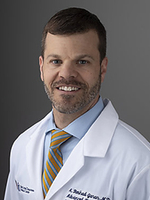
A. Reshad Garan, MD
A. Reshad Garan, MD, joins the faculty as the Director of Advanced Heart Failure. Having grown up in the Boston area, he now returns with his wife, Julie, and son, Zafer (4), from New York City and Columbia University where he completed his medical education, residency, fellowship, and advanced fellowship in Heart Failure, Mechanical Circulatory Support and Cardiac Transplantation. At Columbia, he served as the Director of the Acute Circulatory Support Program as well as the Associate Director of the CCU. His research interests include device support for advanced heart failure and cardiogenic shock.
Michael C. Gavin, MD, MPH
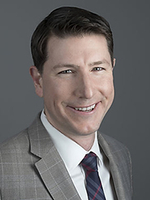
Michael C. Gavin, MD, MPH
Michael C. Gavin, MD, MPH, is Director of the CVI’s Cardiac Direct Access Unit, Director of Inpatient Cardiology at BIDMC and an Assistant Professor of Medicine at Harvard Medical School. Dr. Gavin's clinical practice focuses on valvular heart disease, coronary artery disease and preventive cardiology.
Eli Gelfand, MD
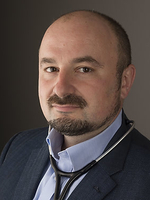
Eli Gelfand, MD
Eli Gelfand, MD, is an Assistant Professor of Medicine at Harvard Medical School and Section Chief of General Cardiology at BIDMC where he is responsible for cardiovascular outpatient operations and network development. He is an active member of the cardiovascular diagnostics effort, where his focus is on transthoracic and transesophageal echocardiography.
Ernest Gervino, ScD
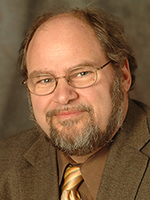
Ernest Gervino, ScD
Ernest Gervino, ScD, is an Associate Professor of Medicine at Harvard Medical School and has been a member of the Cardiovascular Division since 1981. He is the Director of Clinical Physiology Laboratory at BIDMC and serves as the Director of Exercise Testing Core Lab at the Baim Institute of Clinical Research for both national and international research trials. His research interests include the stress testing as a primary endpoint, effects of exercise training on management of patients, diet and behavior modification on the reduction of risk for a second cardiac event.
C. Michael Gibson, MD
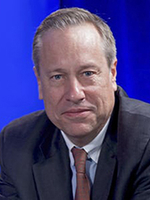
C. Michael Gibson, MD
C. Michael Gibson, MD, is a Professor of Medicine at Harvard Medical School, an interventional cardiologist, cardiovascular researcher & educator. He pioneered our understanding of the "open artery hypothesis" as well as our understanding of the importance of restoring flow downstream in the capillary bed in the "open microvasculature hypothesis." He is the CEO of the combined non-profit Baim and PERFUSE research institutes at Harvard Medical School. The institutes have led over 1,000 studies, published 3,000 manuscripts in the peer review literature, and have led 60 FDA submissions from their network of 7,000 sites worldwide. He is the Founder and Chairman of the Board of the non-profit WikiDoc Foundation, the world’s largest open-source textbook of medicine. In 2014, 2018 and 2019 he was recognized as one of the most highly cited scientists in the world.
E. Wilson Grandin, MD, MPH, Med
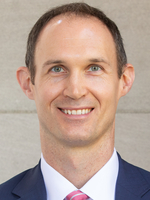
E. Wilson Grandin, MD, MPH, Med
E. Wilson Grandin, MD, MPH, MEd, specializes in Advanced Heart Failure and Transplant Cardiology (AHFTC). He is the Director of the ECMO and Temporary Mechanical Circulatory Support (MCS) Program and the Program Director for the BIDMC AHFTC Fellowship. He is engaged in clinical outcomes research focused on optimizing therapies for patients with cardiogenic shock and advanced heart failure, particularly patients requiring durable or temporary MCS and heart transplant. He directs a simulation-based course on cardiogenic shock and MCS aimed at improving the management of patients with cardiogenic shock requiring circulatory support.
Charles Haffajee, MB, BChir, FRCP
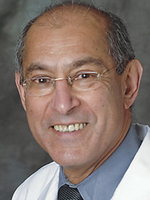
Charles Haffajee, MB, BChir, FRCP
Charles Haffajee, MB, BChir, FRCP, is an Associate Professor of Medicine at Harvard Medical School and Director of Device Trials and Cardiac Electrophysiology Network Development. His primary interests are in pacing, defibrillation, congestive heart failure, cardiac arrhythmias, atrial fibrillation, syncope and ablation for cardiac arrhythmias.
Thomas Hauser, MD
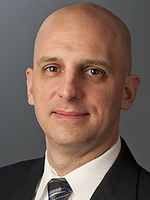
Thomas Hauser, MD
Thomas Hauser, MD, is a Lecturer, Part-time (Department of Medicine) at Harvard Medical School and staff physician in the Division of Cardiovascular Medicine. His primary research interests are the development of new cardiovascular therapies and application of imaging methods in the evaluation of cardiovascular disease.
Patrick M. Hyland, MD
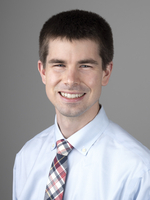
Patrick M. Hyland, MD
Patrick M. Hyland, MD, is a member of the Section of Advanced Heart Failure, Cardiac Transplant, & Mechanical Circulatory Support and serves as an Instructor in Medicine at Harvard Medical School. He completed his Internal Medicine residency and Cardiovascular Disease fellowship at Beth Israel Deaconess Medical Center prior to joining the cardiology faculty. His clinical and research interests include post-transplant management, invasive hemodynamic assessment, and the use of device-based therapies for heart failure.
Christopher Hoeger, MD
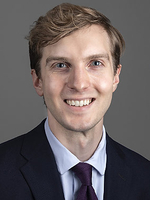
Christopher Hoeger, MD
Christopher Hoeger, MD, is an Instructor of Medicine at Havard Medical School and a member of the non-invasive cardiology staff at Beth Israel Deaconess Medical Center. His clinical interests include cardio-oncology, echocardiography, and cardiac MRI. He completed his residency training at the University of Michigan and cardiology fellowship at BIDMC. His research interests include the application of cardiac imaging to cardio-oncology.
Jennifer Ho, MD
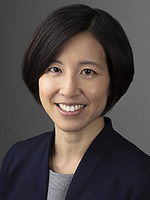
Jennifer Ho, MD
Jennifer Ho, MD, is Professor of Medicine at Harvard Medical School, Harrison Family Endowed Chair in Cardiovascular Research, Director of Research in the Division of Cardiovascular Medicine, faculty member of the advanced heart failure and heart transplantation section at Beth Israel Deaconess Medical Center, and Associate Member of the Broad Institute at Harvard and MIT. She completed her undergraduate studies at UC Berkeley, Harvard Medical School, followed by internal medicine residency at BWH, cardiology fellowship at UCSF, and heart failure/transplant fellowship at BWH. Dr. Ho directs the Cardiovascular T32 training grant at BIDMC, is the incoming Deputy Editor for Clinical Cardiology at Circulation, and serves on the Board of Directors of the Sarnoff Cardiovascular Research Foundation. She is the recipient of multiple teaching and mentoring awards including the 2023 A. Clifford Barger Excellence in Mentoring Award at Harvard Medical School, and was elected to the American Society of Clinical Investigation in 2024.
Kalon Ho, MD, MSc
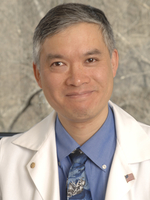
Kalon Ho, MD, MSc
Kalon Ho, MD, MSc, is an Assistant Professor of Medicine and the Medical Director for Quality for BIDMC’s Division of Cardiovascular Medicine. He helps to coordinate BIDMC’s efforts to monitor the outcomes and improve the quality of cardiovascular care. His research interests include methodological issues in the design, management and analyses of clinical trials; assessment of outcomes of cardiovascular procedures, including use of large-scale, multicenter databases; and effective integration of decision support tools into clinical care. In addition to a clinical emphasis on invasive hemodynamics, he has been teaching clinical epidemiology at Harvard Medical School for more than 2 decades.
Peter M. Kang, MD
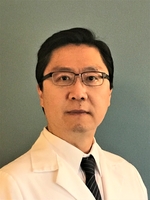
Peter M. Kang, MD
Peter M. Kang, MD is an Associate Professor of Medicine at Harvard Medical School and a director of Cardiac Physiology Core in BIDMC. The major focus of his laboratory is basic and translational cardiovascular research. developing novel therapies for cardiovascular diseases. Specifically, his laboratory is developing novel nanoparticle-based systems that are activated by hydrogen peroxide, the most abundant form of reactive oxygen species produced during reperfusion injury, to be used in cardiovascular therapeutics and bio-imaging. Also, his laboratory is developing selective organ targeted lipid nanoparticles to use in cardiovascular diseases.
Joseph P. Kannam, MD
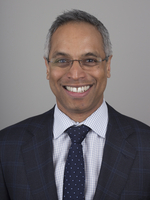
Joseph P. Kannam, MD
Joseph P. Kannam, MD, is an Assistant Professor of Medicine at Harvard Medical School and program director for the Cardiovascular Fellowship Program at Beth Israel Deaconess Medical Center. He practices general cardiology and echocardiography at both our BIDMC campus and Needham campus.
Kathleen Kearney, MD
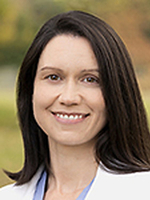
Kathleen Kearney, MD
Kathleen (Kate) Kearney, MD joined Beth Isreal in 2026 as Director of the Cardiac Cath Lab and Complex Coronary Therapies. She graduated medical school from the University of Pittsburgh and completed cardiology, interventional cardiology, and complex coronary interventional training at the University of Washington, where she worked for 8 years as faculty. She is active in education in the complex PCI space at a national and international level, as well as clinical trials.
Daniel Kramer, MD
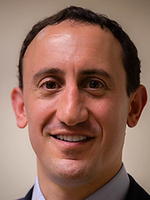
Daniel Kramer, MD, MPH
Daniel Kramer, MD, MPH, is Section Head of Electrophysiology and Digital Health at the Richard A. and Susan F. Smith Center for Outcomes Research and Associate Professor of Medicine at Harvard Medical School, where he is also a faculty member at the Center for Bioethics. Dr. Kramer is a former Harvard Catalyst KL2 Scholar, Beeson Scholar, and Greenwall Faculty Scholar, and is currently supported by research grants from the NIA, NHLBI, PCORI, and ARPA-H. His research group evaluates clinical outcomes, health policies, and bioethics questions arising from the use of medical devices.
Anna Krawisz, MD
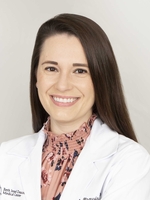
Anna Krawisz, MD
Anna Krawisz, MD, is an Instructor in Medicine at Harvard Medical School and a cardiologist and vascular medicine specialist at Beth Israel Deaconess Medical Center (BIDMC). Her research interests include disparities in care for peripheral artery disease and interventional therapies for peripheral artery disease, and a clinical focus on refractory hypertension and vascular medicine.
Roger J. Laham, MD
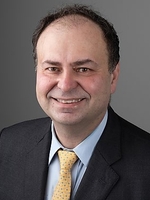
Roger J. Laham, MD
Roger J. Laham, MD, is an Associate Professor of Medicine at Harvard Medical School and Director of the Structural Heart Center and the Structural Heart Fellowship program. Dr. Laham is an active clinician in both interventional and structural cardiology and is a National Proctor for novel structural devices. Dr. Laham is investigating novel treatment strategies and outcomes in Structural Heart Disease conditions, including aortic, Mitral and Tricuspid valve intervention. He has led efforts to institute shared decision making and reduce health care disparity in the structural space. In addition, he is developing and studying several cardiovascular devices including percutaneous valves, left atrial exclusion for atrial fibrillation, and myocardial restraint for congestive heart failure.
Uyen Lam, MD
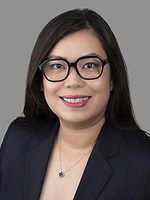
Uyen Lam, MD
Uyen Lam, MD, is a general cardiologist with a particular interest in preventive medicine, women's health, and cardiac imaging. Dr. Lam completed a cardiology fellowship at St. Elizabeth's Medical Center and was on staff from 2018 – 2024. While at St. Elizabeth’s, she was the medical director of the Kosowsky Cardiovascular Rehabilitation and Prevention Center.
Emily Larnard, MD
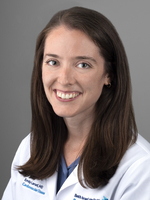
Emily Larnard, MD
Emily Larnard, MD, is an interventional cardiologist and serves as an Instructor in Medicine at Harvard Medical School. She completed her Internal Medicine residency at Columbia New York Presbyterian and her cardiology and interventional cardiology fellowship training at Beth Israel Deaconess Medical Center prior to joining the cardiology faculty. Her clinical and research interests include high risk and complex percutaneous coronary intervention, mechanical circulatory support and pulmonary thrombectomy.
Andrew Locke, MD
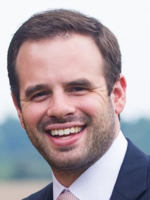
Andrew Locke, MD
Andrew Locke, MD, is an instructor of medicine at Harvard Medical School and a clinical cardiac electrophysiologist in the Harvard-Thorndike Electrophysiology Institute and Arrhythmia Service. He is the current medical director of the Left Atrial Appendage Occlusion Program at BIDMC. He has a clinical interest in the arrhythmia management of cardiac sarcoidosis patients serving as the co-founder of the Cardiac Sarcoidosis Center. Additionally, he is a faculty member of the VT Center at BIDMC. Dr. Locke directs a variety of peer-to-peer and fellow educational courses teaching advance ablation techniques.
Timothy Maher, MD
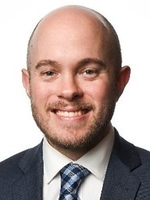
Timothy Maher, MD
Timothy Maher, MD, joined the Harvard-Thorndike Electrophysiology Institute and Arrhythmia Service as an attending in 2023.
Warren J. Manning, MD
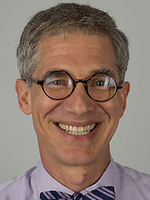
Warren J. Manning, MD
Warren J. Manning, MD, is Professor of Medicine and Professor of Radiology at Harvard Medical School and the Section Chief of Noninvasive Cardiac Imaging and Testing in the CVI, where he also serves as Co-director of the Cardiac MR Center and Director of the Echocardiography Laboratory. A former president of the Society for Cardiovascular Magnetic Resonance, his ongoing research interests include cardiovascular applications of magnetic resonance (coronary MRI, valvular heart disease, subclinical atherosclerosis, atrial fibrosis in atrial fibrillation and pericarditis), utilization of echocardiography for prognosis in valvular heart disease and appropriateness of echocardiographic referrals.
Lucas X. Marinacci, MD
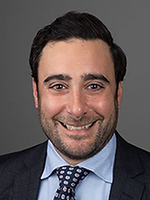
Lucas X. Marinacci, MD
Lucas X. Marinacci, MD, is a general cardiologist at Beth Israel Deaconess Medical Center, an Instructor in Medicine at Harvard Medical School, and a faculty investigator at the Richard A. and Susan F. Smith Center for Outcomes Research. He completed medical school at Columbia University, internal medicine residency at Massachusetts General Hospital, and cardiology fellowship at BIDMC, followed by a T32 research fellowship at the Smith Center under the mentorship of Dr. Rishi Wadhera. He founded the cardiology clinic at Bowdoin Street Health Center to improve specialty access in Dorchester neighborhoods. His research integrates health services and policy analysis with community-based methods to close gaps in cardiovascular care for low-income populations. His work is supported by the John S. LaDue Memorial Fellowship at Harvard Medical School and an American Heart Association Career Development Award.
Jason Matos, MD
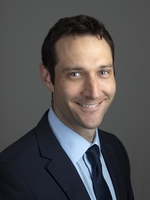
Jason Matos, MD
Jason Matos, MD, is a non-invasive Cardiologist with a clinical focus in General Cardiology and Cardiac Imaging. His research interests include management of post-operative atrial fibrillation and imaging metrics associated with cardiovascular outcomes. He completed his residency and fellowship training at Beth Israel Deaconess Medical Center, and also served as Chief Medical Resident and Chief Cardiology Fellow. He also has a strong passion for medical education, serving as a Rabkin Fellow for Medical Education 2019-2020 and has re-designed the inpatient Cardiology and CCU curricula for medical residents.
James McCabe, MD
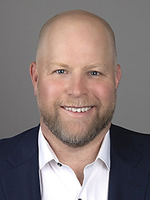
James McCabe, MD
James (Jamie) McCabe, MD, joined Beth Israel Deaconess Medical Center as the Section Head for Structural Heart and Director of the Center for Innovation in Invasive Cardiology in the Fall of 2025. He received his medical degree from Yale University and completed 10 years of post-medical school training at University of California, San Francisco (UCSF) and Brigham and Women's Hospital / Harvard Medical School. Dr. McCabe previously spent 12 years at University of Washington in Seattle, WA where he culminated as a Professor of Medicine, the Section Chief of Interventional Cardiology and the David and Nancy Auth Endowed Chair in Cardiac Innovation. He is a nationally recognized clinician educator and investigator in transcatheter therapies for valvular heart disease.
Ian McCormick, MD
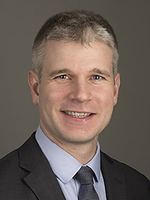
Ian McCormick, MD
Ian McCormick, MD, is an Instructor in Medicine at Harvard Medical School and enjoys working as a general cardiologist at Beth Israel Deaconess Hospital-Needham, Beth Israel Deaconess HealthCare - Chestnut Hill Square, and the Cardiac Direct Access Center at BIDMC. He also attends on the inpatient cardiology service and consult service at BIDMC.
Michael Mi, MD
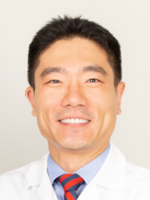
Michael Mi, MD
Michael Mi, MD, is a preventive cardiologist and Instructor in Medicine at Harvard Medical School. He is a graduate of Harvard Medical School and completed his internal medicine and cardiology training at Beth Israel Deaconess Medical Center. He sees patients in the Lipid and Cardiovascular Disease Prevention Clinic at BIDMC and has research and clinical interests in the roles that nutrition and exercise play in cardiovascular disease and longevity. His work thus far has focused on leveraging genomics, proteomics, and metabolomics to better understand the pathophysiology of cardiometabolic diseases.
Murray A. Mittleman, MD, MPH, Dr.PH
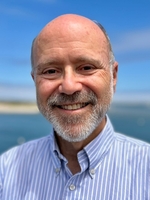
Murray A. Mittleman, MD, MPH, Dr.PH
Murray A. Mittleman, MD, DrPH, is Associate Program Director of the NIH-Funded T32 training program in Cardiovascular Research at BIDMC. He is a Professor of Epidemiology and Chair of the Master of Public Health Program at the Harvard T.H. Chan School of Public Health. He directs an active research program in Cardiovascular Epidemiology and Patient-Centered Outcomes Research based jointly at the Cardiovascular Division at BIDMC and the Department of Epidemiology at the Harvard School of Public Health. His clinical practice in Preventive Cardiology is based at the Cardiovascular Health and Lipid Center and the Advanced Hypertension Clinic at BIDMC.
Reza Nezafat, MD
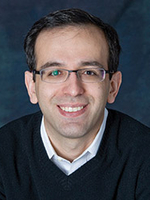
Reza Nezafat, PhD
Reza Nezafat, PhD, is a Professor of Medicine at Harvard Medical School and serves as the Scientific Director of the Cardiac MR Center. Dr. Nezafat completed his training at Johns Hopkins School of Medicine and National Institute of Health in Biomedical Engineering prior to joining Harvard Medical School. Dr. Nezafat’s research is to develop and apply new non-invasive methods in magnetic resonance imaging to guide therapy in cardiovascular disease.
Peter Oettgen, MD, FACC, FAHA, FACP
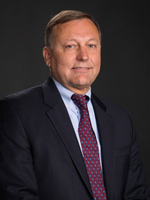
Peter Oettgen, MD, FACC, FAHA, FACP
Peter Oettgen, MD, FACC, FAHA, FACP, Associate Professor of Medicine, served as the Director of Preventive Cardiology at Beth Israel Deaconess Medical Center from 1994 to 2018. He joined the Cardiology faculty at BIDMC in 1993, and established an independent laboratory and research program from 1997 to 2014. His major research interests and contributions were in determining the molecular mechanisms of vascular inflammation, angiogenesis, and vascular development. Dr. Oettgen is an Established Investigator of the American Heart Association. He has served as a reviewer on several NIH and AHA study sections and as an extramural special advisor for the Vascular Biology and Hypertension Branch of the NHLBI. He joined the publishing company EBSCO, to develop DynaMed in 2014 as the Deputy Editor of Cardiology, Critical Care, and Pulmonary Medicine. In March of 2016 he became Editor in Chief of DynaMed and DynaMedex and served in this role until July 2025 and is currently an Executive Editor overseeing Cardiology content. He retired from his clinical duties in Cardiology at BIDMC in 2026, but will continue to serve as a part-time Cardiology faculty member to develop and maintain an educational program in Preventive Cardiology for faculty and fellows together with Dr. Mark Benson, Director of Preventive Cardiology.
Eric A. Osborn, MD, PhD
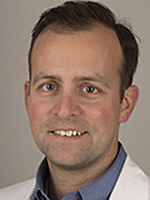
Eric A. Osborn, MD, PhD
Eric A. Osborn, MD, PhD, is the Director of the Interventional Cardiology Fellowship Program and an Assistant Professor at Harvard Medical School. He is also the Director of Intravascular Imaging at the Cardiovascular Imaging Core Laboratory. His clinical and research interests include complex percutaneous coronary intervention, intravascular imaging, coronary physiology, and translational investigation of novel interventional technologies. Dr. Osborn obtained his BS in Biomedical Engineering at Duke University, MS in Mechanical Engineering at the Massachusetts Institute of Technology, and MD-PhD from Harvard Medical School, followed by internal medicine residency, cardiology and interventional cardiology fellowships at BIDMC.
Andrew Oseran, MD, MBA, MSc
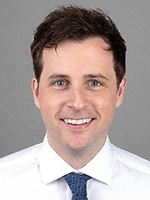
Andrew Oseran, MD, MBA, MSc
Andrew Oseran, MD, MBA, MSc, is an advanced heart failure and transplant cardiologist at BIDMC, a faculty investigator at the Richard and Susan Smith Center for Outcomes Research, and an Assistant Professor of Medicine at HMS. He received his MD from Georgetown University School of Medicine as well as a master’s in business administration (MBA) from the McDonough School of Business at Georgetown University. He completed his internal medicine residency, cardiology fellowship, and advanced heart failure and transplant fellowship at Massachusetts General Hospital. During this time, he also received a Master of Science (MSc) in Epidemiology from the Harvard TH Chan School of Public Health. His research interests include questions related to the delivery of health care and understanding how domestic policy initiatives impact health care outcomes and cost.
Panos Papageorgiou, MD, PhD
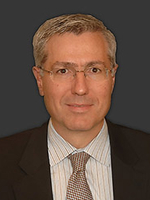
Panos Papageorgiou, MD, PhD
Panos Papageorgiou, MD, PhD, is an Assistant Professor of Medicine at Harvard Medical School. He is also a staff electrophysiologist. His clinical research has focused on atrial anisotropy and atrial pacing for atrial fibrillation prevention.
Duane S. Pinto, MD
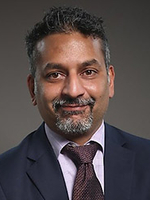
Duane S. Pinto, MD
Duane S. Pinto, MD, MPH, is Associate Professor of Medicine and Chief of the Interventional Section. He also directs the Cardiovascular Imaging Core Laboratory which participates in investigating over 30 novel technologies include mitral and aortic valve replacement devices, thrombectomy devices, coronary and peripheral stents and drug eluting balloons as well as mechanical support devices. He performs coronary, peripheral vascular and structural procedures. His research interests evaluate procedural considerations and novel strategies to care for patients with shock states and complex coronary disease. He was a resident, chief resident, cardiology fellow and interventional fellow at BIDMC. He directed the general cardiology fellowship until 2014.
Jeffrey Popma, MD
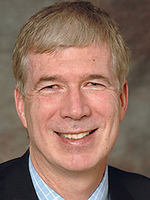
Jeffrey Popma, MD
Jeffrey Popma, MD, is a Professor of Medicine at Harvard Medical School and the Director of Interventional Clinical Services at the BIDMC. Dr. Popma was a former President of the Society for Cardiovascular Angiography and Intervention and former Co-Chair of the American College of Cardiology Interventional Council. Dr. Popma also directs the BIDMC Angiographic Core Laboratory for numerous multicenter device studies for coronary and peripheral applications. Dr. Popma’s clinical interest include aortic and mitral transcatheter valve replacement and intervention, drug eluting coronary stents, and radial artery access procedures. Dr. Popma has published over 400 peer-reviewed manuscripts in the field of interventional and structural cardiology. Dr. Popma has recently moved to a senior position at Medtronic but will continue to see patients at BIDMC.
Marie-France Poulin, MD
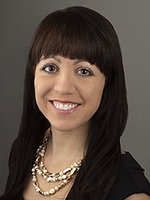
Marie-France Poulin, MD
Marie-France Poulin, MD, is an interventional and Structural Cardiologist who serves as the Associate Director of the Structural Heart Clinical Services. She is also the Associate Program Director for the Interventional Cardiology Fellowship. Dr. Poulin spends her time between structural heart interventions, inpatient and outpatient structural consults, coronary interventions, cardiac intensive care unit, as well as maintaining a continuity clinic. Dr. Poulin was previously an interventional fellow here at BIDMC, after which she completed an advanced fellowship in Structural and Congenital Heart Disease Interventions at Rush University Medical Center in Chicago. She stayed on as faculty for a few years prior to coming back to BIDMC. Her clinical and research interests include percutaneous mitral therapies, TAVR, percutaneous PFO and ASD closure, intracardiac echocardiography, as well as LAA exclusion procedures.
Pablo Quintero Pinzon, MD
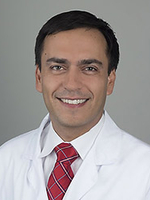
Pablo Quintero Pinzon, MD
Pablo Quintero Pinzon, MD is an Instructor of Medicine at Harvard Medical School and an advanced heart failure cardiologist. He is originally from Colombia. He is the Director of the Latinx Cardiovascular Clinic which delivers culturally sensitive cardiovascular care for Spanish speaking patients. He also serves as the Director of Under-represented Minority Trainee Affairs for the Department of Medicine. After joining BIDMC as faculty, he established a Heart Failure bio-repository in order to facilitate translational research efforts within the division. He also created a multidisciplinary amyloid clinic.
Prashant Rao, MD
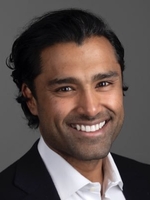
Prashant Rao, MD
Prashant Rao, MD, is a board-certified cardiologist and Instructor in Medicine at Harvard Medical School. Dr. Rao’s clinical practice is dedicated to the cardiovascular care of athletes, highly active individuals, and those with inherited cardiac conditions. Dr. Rao is also a member of the Cardiac Imaging Section, specializing in echocardiography and cardiopulmonary exercise testing. His translational research integrates human genetics, proteomics, and exercise physiology to enhance our understanding of how genetic and molecular factors influence cardiovascular health and fitness. In addition to his clinical and research roles, Dr. Rao currently serves on the Leadership Council for the American College of Cardiology Sports and Exercise Cardiology section.
Jeremy Robbins, MD
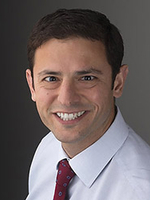
Jeremy Robbins, MD
Jeremy Robbins, MD, is a cardiologist, Director of the Clinical Physiology Laboratory at Beth Israel Deaconess Medical Center, and an Assistant Professor in Medicine at Harvard Medical School. His research interests are in the application of biochemical profiling to understand how exercise improves cardio metabolic health. His clinical interests include sports medicine, HFpEF, and applying advanced cardiopulmonary stress testing in the evaluation of patients with undifferentiated dyspnea. He attends in the Coronary Care Unit.
Lisa Rosenbaum, MD
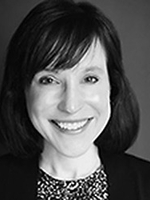
Lisa Rosenbaum, MD
Lisa Rosenbaum, MD, is a cardiologist and an assistant professor at Harvard Medical School. She serves as the national correspondent for the New England Journal of Medicine, where she also hosts the podcast "Not Otherwise Specified." She completed medical school at the University of California, San Francisco, Internal Medicine residency at Massachusetts General Hospital, Cardiovascular Disease Fellowship at New York Presbyterian Weill-Cornell, and the National Clinical Scholars Program at the University of Pennsylvania. Her writing and podcast cover a range of issues at the intersection of science, medicine, and society. Prior to joining the Smith Center and BIDMC she practiced cardiology at Brigham and Women's Hospital for 9 years.
Marwa Sabe, MD, MPH
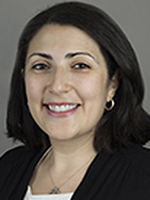
Marwa Sabe, MD, MPH
Marwa Sabe, MD, MPH, is Associate Director of Advanced Heart Failure and Director of the Left Ventricular Assist Device (LVAD) program. She is Assistant Professor of Medicine at Harvard Medical School. She works with patients with temporary and permanent support devices and heart transplantations at BIDMC and she spends part of each year working at Tufts Medical Center with advanced heart failure patients who have had placement of LVADs and transplants.
Alec A. Schmaier, MD, PhD
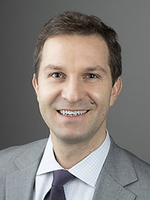
Alec A. Schmaier, MD, PhD
Alec A. Schmaier, MD, PhD, is an Assistant Professor of Medicine at Harvard Medical School with a dual research appointment in the Division of Hemostasis and Thrombosis. The Schmaier laboratory investigates how the vasculature contributes to blood clot formation, using both cell-based and rodent models as well as translational studies drawn from patient cohorts. Dr. Schmaier collaborates with investigators across the cardiovascular and hematology fields. His clinical expertise is in Vascular Medicine.
Eric Secemsky, MD, MSc
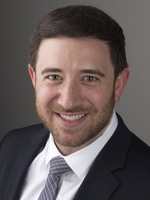
Eric Secemsky, MD, MSc
Eric Secemsky, MD, MSc is the Director of Vascular Intervention and an interventional cardiologist at Beth Israel Deaconess Medical Center. He is also an investigator in the Richard A. and Susan Smith Center for Outcomes Research in Cardiology and an Associate Professor of Medicine at Harvard Medical School. He received his medical degree from Northwestern University and a Master’s of Science in Epidemiology from the Harvard School of Public Health. Dr. Secemsky completed his internal medicine training at the University of California, San Francisco, and Cardiovascular Medicine, Interventional Cardiology, and Vascular Diagnostics and Intervention training all at Massachusetts General Hospital. Clinically, Dr. Secemsky splits his time attending in the cardiac catheterization lab, and the inpatient and outpatient vascular medicine services. Dr. Secemsky’s research program focuses on optimizing outcomes following coronary and peripheral vascular intervention, and includes comparative effectiveness research and clinical trials.
Alexei Shvilkin, MD, PhD
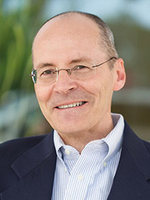
Alexei Shvilkin, MD, PhD
Alexei Shvilkin, MD, PhD, is a board-certified cardiologist and clinical cardiac electrophysiologist at Beth Israel Deaconess Medical Center and South Shore Hospital, and serves as part-time Assistant Professor of Medicine at Harvard Medical School. His academic and clinical interests include cardiac electrophysiology, ECG and vectorcardiographic analysis, and translational electrocardiographic research.
Jordan B. Strom, MD, MSc, FACC, FASE
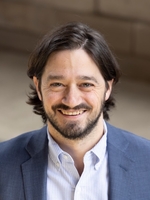
Jordan B. Strom, MD, MSc, FACC, FASE
Jordan B. Strom, MD, MSc, FACC, FASE, is Associate Professor of Medicine at Harvard Medical School, Director of the Echocardiography Laboratory, Director of Echocardiographic Research at Beth Israel Deaconess Medical Center in Boston, Massachusetts, and Section Head for Cardiovascular Imaging Research at the Richard A. and Susan F. Smith Center for Outcomes Research in Cardiology. He received his B.S. in Biology from Yale University and an M.D. from Harvard Medical School, before subsequently training in Internal Medicine at the Massachusetts General Hospital and in Cardiovascular Medicine at Beth Israel Deaconess Medical Center where he was Chief Fellow for the 2017-2018 year. He received additional post-graduate training in Clinical Epidemiology and Biostatistics at the Harvard T.H. Chan School of Public Health, receiving an M.Sc. in Epidemiology in May 2018.
Dr. Strom was the inaugural fellow and is currently a faculty investigator at the Richard A. and Susan F. Smith Center for Outcomes Research in Cardiology. His research which has been funded by the NIH and American Heart Association focuses on three main areas: 1) the relationship of cardiac structure and function to health outcomes, 2) the optimal use and timing of cardiac imaging in practice, and 3) the clinical role of emerging technologies in cardiac imaging. He has published more than 140 peer-reviewed papers in journals such as the New England Journal of the Medicine, BMJ, Annals of Internal Medicine, European Heart Journal, Circulation, JACC Imaging, and JAMA Cardiology and serves as an Associate or Guest Editor for several journals including JACC Advances, Echo Research and Practice, and the Journal of the American Society of Echocardiography (ASE). He was the inaugural ASE leadership academy member to serve on the ASE Board of Directors and a prior member of the ACC Imaging Council Leadership Committee. He is the Secretary of the Board of Directors of the International Contrast Ultrasound Society (ICUS) and board member of the Joint Review Committee on Education in Diagnostic Medical Sonography, which accredits sonography training programs in the United States. He has given over 110 national and international invited presentations and runs an active research program with nearly $10 million in prior or current funding.
He is the incoming Program Chair for the 2027 ASE Scientific Sessions and has served on the writing committee for several ASE guidelines including Standardization of Adult Echocardiography Reporting and the forthcoming ASE Chamber Quantification Guidelines. Dr. Strom was the 2025 ASE Kalmanson Lecturer which honors worthy investigators promoting research and education in cardiovascular Doppler ultrasound and the 2026 ASE Feigenbaum lecturer which honors an investigator in recognition of their significant contribution to research in the field and their potential to continue at a high level of achievement.
Usman Tahir, MD
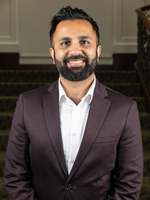
Usman Tahir, MD, MBI
Usman Tahir, MD, MBI, is the Director of Cardiovascular Genetics at Beth Israel Deaconess Medical Center and an Instructor of Medicine at Harvard Medical School. Dr. Tahir’s clinical expertise is in the evaluation and management of inherited arrhythmia, cardiomyopathy and systemic disease. His research interests include the integration of bioinformatic approaches with detailed molecular phenotyping and application of novel omic technologies, in efforts to better understand cardiovascular disease processes. Dr. Tahir aims to translate these findings to clinical practice to provide patients with individualized medical care.
Connie Tsao, MD
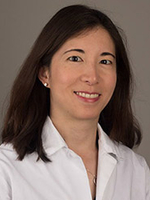
Connie Tsao, MD, MPH
Connie Tsao, MD, MPH, is member of the Non-Invasive Cardiac Imaging and Testing Section, specializing in echocardiography and cardiovascular magnetic resonance, and Assistant Professor of Medicine at Harvard Medical School. Cross-trained in epidemiology, she is also an investigator at the Framingham Heart Study and works with several NHLBI cohort studies. Her research interests are in non-invasive assessment of cardiovascular remodeling to understand the pathophysiology and prognosis of subclinical and clinical disease.
Patricia Tung MD
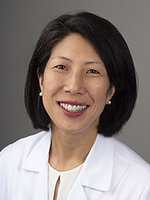
Patricia Tung, MD
Patricia Tung, MD, completed fellowships in Cardiology and Cardiac Electrophysiology at Beth Israel Deaconess Medical Center in Boston, MA. She is the Program Director of the Clinical Cardiac Electrophysiology Fellowship. Her research interests focus on improving the safety and effectiveness of atrial fibrillation ablation and improving arrhythmia outcomes following ablation. Dr. Tung has published on identifying and treating risk factors for atrial fibrillation including sleep apnea. Dr. Tung performs ablation procedures, left atrial appendage occlusion and implantation procedures for cardiac pacemakers and defibrillators. She is committed to increasing the number of women training in Electrophysiology.
Jenica N. Upshaw, MD, MSc
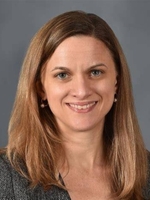
Jenica N. Upshaw, MD, MSc
Jenica N. Upshaw, MD, MSc, is the Director of the Cardio-Oncology Program at BIDMC and Section Head of Cardio-Oncology and Heart Failure Research at the Richard A. and Susan F. Smith Center for Outcomes Research. She is a member of the faculty of Harvard Medical School with official appointment in process. Dr. Upshaw studies the intersection of cardiovascular disease and cancer with the goal of optimizing both cardiovascular and cancer outcomes in this growing population of patients. She utilizes observational and clinical trial designs to study the cardiovascular effects of cancer and cancer therapies, test novel treatment strategies, and understand the comparative effectiveness of interventions in populations not well represented in clinical trials. She is co-chair of the National Cancer Institute funded ECOG-ACRIN Cancer Research Group Cardiotoxicity Subcommittee. Her clinical expertise is in cardio-oncology and advanced heart failure and transplant cardiology.
Richard L. Verrier, PhD, FACC
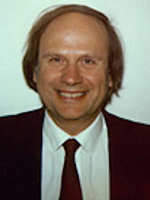
Richard L. Verrier, PhD, FACC
Richard L. Verrier, PhD, FACC, is an Associate Professor of Medicine at Harvard Medical School and Director of Integrative Cardiac Electrophysiology Laboratory at BIDMC. His research focuses on neural control of heart rhythm with particular reference to atrial fibrillation and sudden cardiac death. He and his colleagues investigated cardioversion by pulmonary delivery of antiarrhythmic agents. They developed analytical means to detect ventricular repolarization abnormalities capable of noninvasively identifying the presence of clinically significant coronary artery stenosis and risk for malignant arrhythmia during routine exercise tolerance and pharmacologic stress testing. In collaboration with faculty members in Neurology, he has characterized a new entity, the "Epileptic Heart," which provides a framework for improved understanding of the factors responsible for premature cardiac death in patients with chronic epilepsy.
Rishi K. Wadhera, MD
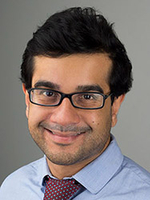
Rishi K. Wadhera, MD, MPP, MPhil
Rishi K. Wadhera, MD, MPP, MPhil is a cardiologist and the Associate Program Director of the Cardiovascular Medicine Fellowship. Dr. Wadhera received his MD from the Mayo Clinic School of Medicine and an MPhil in Public Health as a Gates Cambridge Scholar from the University of Cambridge. He competed his Internal Medicine Residency and Cardiovascular Medicine Fellowship at Brigham and Women’s Hospital. He also received an MPP at the Harvard Kennedy School of Government. Dr. Wadhera is a researcher at the Smith Center for Outcomes Research in Cardiology. His research focuses on health care access, quality and disparities, and understanding how health policy initiatives impact care and outcomes.
Jonathan W. Waks, MD
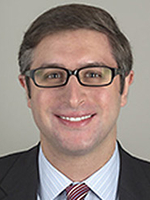
Jonathan W. Waks, MD
Jonathan W. Waks, MD, is a staff electrophysiologist. He directs the arrhythmia monitoring and ECG laboratories. Dr. Waks’ main research interests involve use of novel electrocardiographic and vectorcadiographic methods of assessing risk for ventricular arrhythmias and sudden cardiac death. He sees patients in the electrophysiology clinic on Shapiro 7, implants pacemakers and defibrillators, and performs ablations as well as electrophysiology studies.
John Wylie, MD
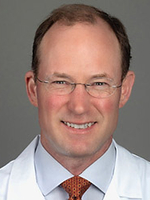
John Wylie, MD
John Wylie, MD, is a board-certified clinical cardiac electrophysiologist with extensive experience in management of patients with a broad spectrum of arrhythmias and cardiac disease. Dr. Wylie's areas of research interest include atrial fibrillation ablation, quality measures in atrial fibrillation management, and physiologic pacing techniques. He has published in these areas and is involved in ongoing clinical trials at BIDMC. He sees patients in consultation on Shapiro 7 at BIDMC and at Signature Brockton Hospital and performs cardiac electrophysiology procedures at BIDMC and cardiac device implantation at Brockton Hospital.
Robert W. Yeh, MD
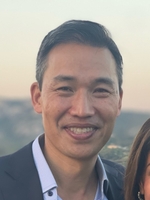
Robert W. Yeh, MD, MSc, MBA
Robert W. Yeh, MD, MSc, MBA, is Director of the Richard A. and Susan F. Smith Center for Outcomes Research, Section Chief of Interventional Cardiology at BIDMC, and the Katz-Silver Family Professor of Medicine at Harvard Medical School. His research is focused on the evaluation of cardiovascular interventions, devices and policies through the application of state-of-the-science causal inference methods to real-world datasets. His work is funded by the National Heart, Lung, and Blood Institute, the American College of Cardiology, and the US Food and Drug Administration. Clinically, Dr. Yeh specializes in complex coronary and chronic total occlusion intervention.
