Scholar Tracks
About Our Fellowship Scholar Tracks
The BIDMC ID Fellowship Scholar Tracks are individualized training tracks focused on specific areas of interest within the field of infectious diseases. Scholar tracks combine enhanced, focused career development experiences in a specific field of expertise with scholarly activities so that fellows graduate with specialized training and a unique skill set to launch future careers in ID. These tracks may include additional selected hospital clinical rotations and/or expanded ambulatory experiences (HIV, transplant infectious disease, mycobacterial diseases, etc.), extended electives in special areas (e.g. Infection Control, Antimicrobial Stewardship, Clinical Microbiology) and scholarly activity.
A focused research project relevant to the chosen area of focus is required as part each track.
Identified Training Tracks
Immunocompromised Host/Transplant Infectious Diseases
The Immunocompromised Host/Transplant Infectious Diseases (ICH/TID) Service at Beth Israel Deaconess Medical Center provides world-class care to the growing population of immunocompromised patients. The program conducts active basic science investigations, clinical research, medical education research and clinical trials. Our dedicated Transplant ID faculty are listed below. In addition to their outstanding clinical and teaching skills, they have active research activities and serve as experienced mentors for fellows interested in Transplant ID.
- Carolyn Alonso, MD
- Dimitrios Farmakiotis, MD, FACP, FIDSA
- Natalia Castillo Almeida, MD
- Audrey Le-Mahajan, MD, MSCE
- Sara Winn Dong, MD
Structure of Our Immunocompromised Host/Transplant ID Training Track
Fellows with a specific interest in Transplant ID can pursue a focused “Transplant ID track” starting in year two of fellowship. Experiences will include:
1. Engagement in continued intensive inpatient and ambulatory Transplant ID consultation to strengthen their clinical experience :
- Inpatient Transplant ID consults (12 week minimum)
4-6 additional weeks BIDMC ICH ID consult service, which include exposure to patients with SOT (heart, kidney, liver, pancreas), hematopoietic stem cell transplant, hematologic malignancy, CAR-T therapy, ventricular assist device (VAD)
4 weeks off-site* TID consult rotation to expand SOT exposure, especially related to lung transplant management
*Off-site opportunities are arranged based on fellow interest and rotation/faculty availability at collaborating sites, either within the Harvard affiliated hospitals (MGH) and/or at appropriate academic centers outside of Boston with active Transplant ID Fellowships or structured rotations
- Transplant Clinic (1 half day per week in addition to 1 half day per week ID continuity clinic)
Every other week SOT clinics (precepted by TID faculty)
- Every other week HSCT clinics (precepted by TID faculty)
2. Additional patient care and administrative activities relevant to TID practice:
Attend solid organ transplant listing and quality meetings
Collaborative multidisciplinary team meetings with primary services, such as the weekly BMT/Hematology or advanced heart failure/heart transplant meetings
Participation in protocol development process.
3. Research (mentored scholarly project with plan to produce at least one abstract for presentation at national meeting/manuscript for publication) – options for scholarly work dependent on fellow interest and can include clinical/basic science/translational research, QI research and/or medical education research projects.
Browse below for examples of research completed by prior BIDMC ICH/TID track fellows.

Microbiology
During year two of ID fellowship, fellows interested in developing expertise in microbiology for careers at the intersection of ID and clinical microbiology are candidates for focused microbiology training in the microbiology scholar track under the supervision of Drs. James Kirby, Stefan Riedel and Ramy Arnaout.
- The goal of the program is to train fellows to assume leadership roles in academic, tertiary care, and public health microbiology laboratories through hands-on instruction in:
Microbiological methods from traditional biochemical and culture-based methods to innovative molecular diagnostics
The consultative and administrative activities of the clinical microbiology laboratory
Activities at the intersection of microbiology and clinical infectious diseases, antimicrobial stewardship and infection control/hospital epidemiology departments
- Educating medical students, residents and fellows on important clinical microbiology topics
- Fellows will also rotate at Children's Hospital Boston and the Massachusetts State Laboratory to gain a comprehensive education experience that includes adult, pediatric and public health microbiology.
During training fellows will participate in scholarly projects related to clinical microbiology and infectious disease diagnostics.
For fellows who desire additional formal microbiology training and want to qualify to sit for board certification in medical and public health microbiology, there are ACGME- and CPEP-accredited training programs available to ID fellows which will prepare trainees to take the American Board of Pathology (ABP) Medical Microbiology or the American Board of Medical Microbiology (ABMM) credentialing exam respectively.
The goal of the training programs in Medical and Public Health Laboratory Microbiology (CPEP- and ACGME-accredited Programs) based at Beth Israel Deaconess Medical Center in collaboration with Children’s Hospital Boston and the State Laboratory Institute is to train fellows to assume leadership roles in academic, tertiary care and or public health clinical microbiology laboratories. BIDMC has recently entered into an exciting collaboration with the Dana Farber Cancer Institute to build the first free standing cancer care hospital in New England. During the several years it takes to bring this to fruition, BIDMC will assume infectious disease diagnostic testing for the DFCI patient population, providing additional education opportunities for our medical microbiology fellows.
Our ultimate goal is to train academic leaders in the specialty who will both lead microbiology laboratories, and also contribute at a scientific level to microbiology diagnostics and/or to our understanding of infectious diseases. We strongly encourage fellows to take advantage of the many research opportunities available during fellowship training.
HPV/Anal Dysplasia/High Resolution Anoscopy Training
Fellows interested in developing expertise in HPV and high resolution anoscopy (HRA) for diagnosis and management of anal dysplasia during year two of fellowship will work under the mentorship of Dr. Ami Multani at Fenway Community Health Center to develop the clinical skills needed to evaluate patients at risk for significant disease due to anogenital HPV infection, and obtain training to perform HRA in the clinical setting. Fellows will engage in hands on clinical/procedural training an average of 1-2 sessions/week (5-6 sessions per month for 10 months).
During year 2, fellows will:
- Attend the American Society for Colposcopy and Cervical Pathology (ASCCP) Course
- 4-day course with colposcopy and HRA training, typically in late July
- Engage in HRA hands on clinical/procedural training (September–June)
- 1-2 clinic sessions/week with Dr. Multani and possibly other certified HRA providers as schedules allow
- Goal is for trainee to graduate with competence in HRA diagnostic and treatment interventions so they can become an independent HRA provider and explore this as a potential clinical ID career avenue, with the objective to become certified with the AIDS Malignancy Consortium (AMC)
- Develop and conduct a research or QI project focused on HPV or anal dysplasia and present findings at a national conference or publish findings in a peer-reviewed journal
- Present at fellow/faculty teaching conferences both BIDMC and Fenway Community Health
Medical Education
The goal of this track is to produce future medical education leaders in infectious diseases. Fellows interested in developing careers as academic clinician educators will work under the mentorship of Dr. Wendy Stead, Dr. Sara Dong and other medical education faculty leaders.
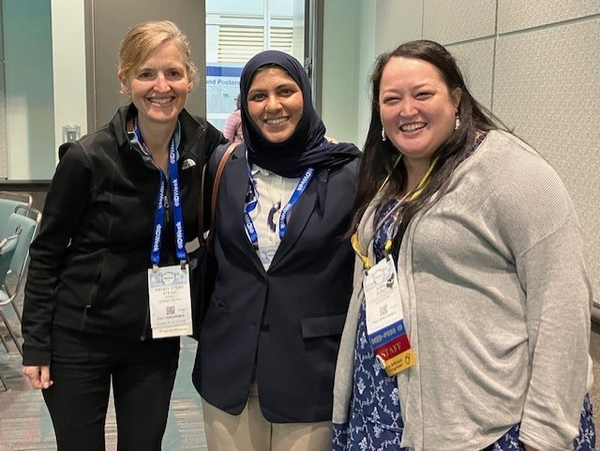
Fellows in this track will apply to the Department of Medicine's BIDMC Clinician Educator Track for Fellows and, if accepted, will take part in the longitudinal medical education curriculum, in addition to completing a mentored medical education research project. Additional inpatient and ambulatory clinical training opportunities are available based on fellow career interest. The medical education scholar track can often be combined with other scholar tracks for fellows interested in training across specialty areas such as antimicrobial stewardship or transplant ID.
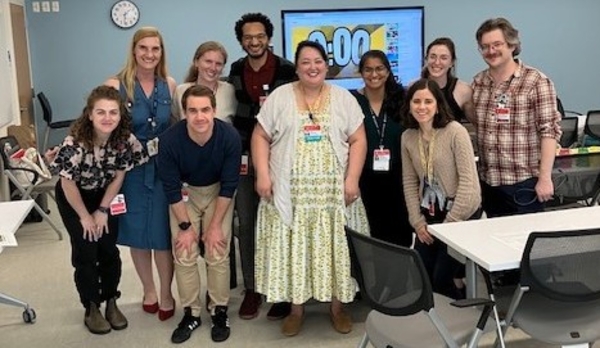
Medical Education Scholarly Activities
- Apply to BIDMC Department of Medicine Clinician Educator Track (CET) for Fellows
Develop and lead lectures for ID clinical conferences with post-lecture formal feedback on teaching skills
Participate in medical student teaching opportunities (patient-doctor courses, participation in preclinical ID curriculum at Harvard Medical School)
Become a member of the BIDMC Academy of Medical Educators and participate regularly in medical education symposia and lectures
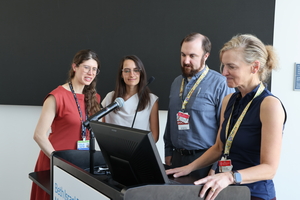
Apply to the Shapiro Institute Medical Education Scholarship Program to develop research skills vital to producing high quality medical education scholarship
Develop and implement a medical education research project in a designated area of interest with goal to disseminate findings at a national meeting and/or in a peer-reviewed journal
Browse below for examples of scholarly projects completed by prior BIDMC ID medical education track fellows. Click the link to the publication.
Andrew Hale MD 2017: creation of online ID curriculum for medical students and residents – www.idmodules.com
Alison Rapoport MD 2018: An opioid overdose curriculum for medical residents: Impact on naloxone prescribing, knowledge and attitudes. Subst Abus 2018; 39(3):371-6
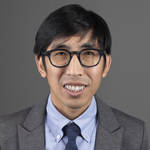
Leslie Alexander 2019: Alexander L-A, Blair BM, Stead W. 1949. Putting out fires: assessing burnout within an infectious diseases fellowship at an academic medical center. Open Forum Infect Dis 2019; 6:S58-9
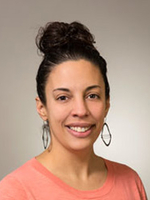
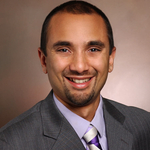
Elise Merchant MD 2021: Rethinking the consultation paradigm: Validity evidence for a new framework, a multimethods study. J Hosp Med. 2024 Apr;19(4):259-266. doi: 10.1002/jhm.13312. Epub 2024 Mar 12. PMID: 38472645
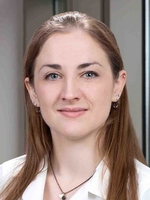
Hawra Al Lawati MD 2023: Piece de Gram Negative Resistance Febrile Podcast Episodes #76 and #77
- Febrile #76 – Pièce de (Gram-negative) Resistance, Part 1: AmpC, ESBL – febrile
- Febrile #77 – Pièce de (Gram-negative) Resistance, Part 2: CRE – febrile
Sara Winn Dong MD 2023: creator of Febrile podcast febrile – A Cultured Podcast About All Things Infectious Disease. Impact of the Febrile Podcast and Learning Resource as an Infectious Diseases Education Platform

Quality and Patient Safety
Fellows interested in building careers at the crossroads of Quality and Safety and Infectious Diseases will apply to the BIDMC Clinical Operations and Quality Improvement (COQI) Track for Fellows led by Dr. Brian Russell and Dr. Anjala Tess
Goals of the Track
The track for fellows will provide individuals with an opportunity to develop the expertise and skills needed to launch an academic career in leadership with a focus on clinical operations and quality improvement.
In this track, participants will:
- Develop and enhance their skills as operational leaders in their division or at the departmental/hospital level
- Complete a self-directed curriculum on topics related to quality improvement, clinical operations and patient safety. Resources provided include coursework through Coursera, an online web-based platform that collaborates with universities, and will be integrated with lectures from local leaders.
- Participate in division-based initiatives and lead at least one local project
- Teach others locally on core topics critical to operations and quality improvement
- Become members of a community of peers interested in improvement and operations
Track Content and Structure
- The core of the program involves immersion and participation in division-based and departmental-work in operations, quality improvement and patient safety under the guidance of local clinical leadership. To complete required track-related work, fellows will be expected to identify and set up a regular schedule including committee meetings, project meetings, and mentorship meetings.
- Under the guidance of their primary mentor, fellows participate in local projects centered on their area of interest (i.e. operations, quality improvement, patient safety or a combination of multiple domains) and must lead at least one project with direction and support of a chosen mentor.
- Self-directed coursework through Coursera, IHI certificate and other local opportunities, which will be arranged at regular intervals throughout the year with schedule to be finalized. The curriculum centers on skills required to a leader in these spaces including:
- Clinical Operations
- Leadership
- Quality Improvement
- Patient Safety
- Healthcare in the United States
- Healthcare finance
- US Health policy
- Healthcare technology
- Healthcare equity
- Fellows should regularly participate in BIDMC ID Division Clinical Practice Committee meetings and are encouraged to join the Housestaff Quality Improvement Council and complete at least one teaching opportunity related to their work at HMS or at BIDMC
- Throughout the year, fellows will meet with a larger Mentorship Committee that consists of direct mentor, their PD and also an external mentor (could be Departmental Vice Chair or from hospital leadership and will be arranged by the track leadership) to help ensure fellow is meeting self-directed goals.
- Fellows should aim to present their work at a conference or in a manuscript at the completion of the track
Track Timeline
Fellows will be asked to participate for at least one year although can be extended to two years pending approval by the mentorship committee and the fellows’ individual commitments.
Antimicrobial Stewardship
Fellows interested in building careers in Antimicrobial Stewardship can explore two or three-year training pathways. Learn more about training opportunities for Antimicrobial Stewardship here.
Infection Prevention & Control and Healthcare Epidemiology
Fellows interested in building careers in Infection Control/Hospital Epidemiology can explore two or three-year training pathways. Learn more about training opportunities for Infection Control here.
Climate Change and Infectious Diseases
The enormous impacts of climate change on human health are increasingly recognized in the medical community. Exploring and understanding the relationships between climate change and infectious diseases will be critical to preparing future ID clinicians, scientists, educators and epidemiologists to address the escalating impacts of climate change on the patients and populations we care for.
The goal of this track is to provide innovative, world-class training for fellows hoping to develop careers at the intersection of infectious diseases and climate change and to train future physician leaders to pursue careers in research, advocacy and policy making to address the impact of climate change on infectious diseases.
Fellows will work with a multidisciplinary mentorship team including mentors from the ID Division along with mentors from the BIDMC Climate and Human Health Fellowship, Drs. Caleb Dresser and Satchit Balsari, and throughout the greater Harvard community depending on the fellow’s particular area of interest. The Fellowship is designed to allow access to and mentorship from an interdisciplinary team of faculty from medicine, public health, law, government, business, engineering and the climate sciences. The Fellowship is co-hosted with C-Change (Harvard’s Center for Climate, Health and the Global Environment) and the Harvard FXB Center for Health and Human Rights.
Fellows in the Climate Change and ID Track will:
- Attend a climate-related conference during year one and meet frequently with mentorship team for research and career planning. Relevant conferences may include regional, national, or international Infectious Disease conferences, as well as: the Medical Society Consortium on Climate & Health Annual Meeting, CleanMed healthcare sustainability conference, annual Clinical Climate Change Conference hosted at Mount Sinai, UN COP, APHA annual meeting, as well as the AMS (American Meteorological Society) and AGU (American Geophysical Union) conferences, which have had sub-focus areas on human impacts of climate change in recent years.
- Develop and conduct a climate related research project within an ID specific content area during year two with support and guidance from the mentorship team.
- Attend climate change didactics, journal clubs, media trainings, communications workshops, and advocacy workshops offered by the BIDMC Climate Change & Human Health Fellowship.
- Participate in the academic life of the collaborating Centers hosting the Fellowship.
- Consider applying for the HSPH Program in Clinical Effectiveness (PCE) to learn rigorous clinical research methods, depending on previous training and research plans.
Fellows may continue training in this track for a third year of fellowship depending on fellow research and career interests and funding availability. This additional year may include additional research opportunities, medical education opportunities, and/or externships with outside agencies or organizations.