
Program Overview & Curriculum
About Our Infectious Diseases Fellowship Curriculum
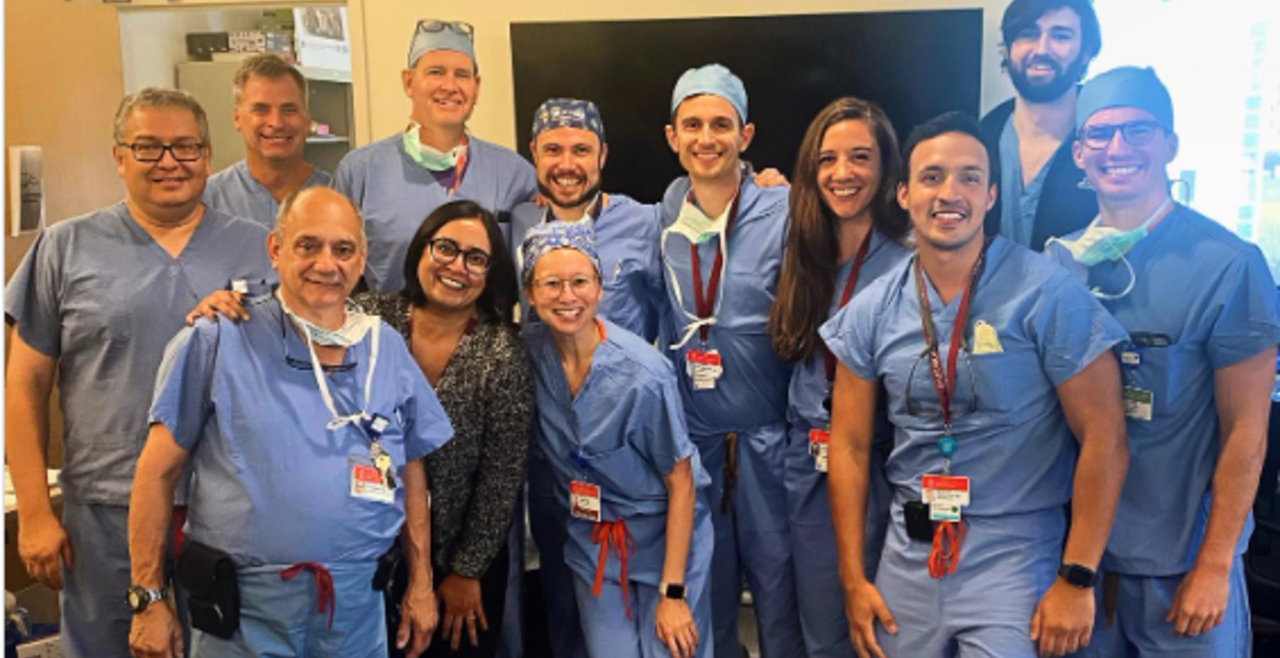
The Infectious Diseases Fellowship Training Program at Beth Israel Deaconess Medical Center (BIDMC), Harvard Medical School is a fully ACGME-accredited program with a mission to train future leaders in academic Infectious Diseases who excel in clinical care, research and education. Our program provides strong and rigorous clinical training covering the vast breadth and depth of ID clinical experiences in an environment of supportive faculty and program leadership deeply dedicated to medical education and scientific inquiry. Our comprehensive and evidence-based Infectious Diseases curriculum covers all major specialty areas of Infectious Diseases and is updated consistently to ensure trainees are receiving an outstanding educational experience.
Program Aims
- To produce highly skilled Infectious Diseases clinicians who are models of exceptional patient care and dedicated advocates for patients of all backgrounds
- To train future leaders in medical education innovation, research and leadership in academic Infectious Diseases
- To produce world-class Infectious Diseases physician-scientists by providing unparalleled resources, structured oversight and superb research mentorship.
Program Structure
The training program in Infectious Diseases (ID) is comprised of the following essential components:
- A minimum of 2 years of training, with the first year being entirely clinical, and the second year providing a focused research experience (laboratory based, clinical/translational, medical education, infection control/hospital epidemiology, antimicrobial stewardship, microbiology, transplant ID, patient safety/QI, climate and ID or more) depending upon the specific interests of each fellow.
- Additional years of training providing advanced research/career development experiences can be arranged depending upon the interests of each fellow and the funding resources available
A continuity ambulatory experience consisting of 24 months of a longitudinal infectious diseases clinic, whereby each fellow will provide outpatient consultation in infectious diseases, follow-up for previously hospitalized patients seen on the inpatient consult service, and management of patients with HIV infection under the supervision of a dedicated faculty preceptor. The continuity clinic will be held for one half day each week for the 24 month period. Additional clinic experience beyond the 24 months may be arranged depending upon specific goals and career track of each individual fellow.
- A specialty ambulatory experience consisting of 5-6 weeks of “synergy” clinics during year one of fellowship during which fellows rotate through specialty clinics in Transplant ID (both SOT and HSCT ID clinics), HIV, hepatitis, OPAT, mycobacteria and OB/GYN ID. Fellows attend at least two of these half-day specialty ID clinics in addition to their continuity ID clinic during these weeks.
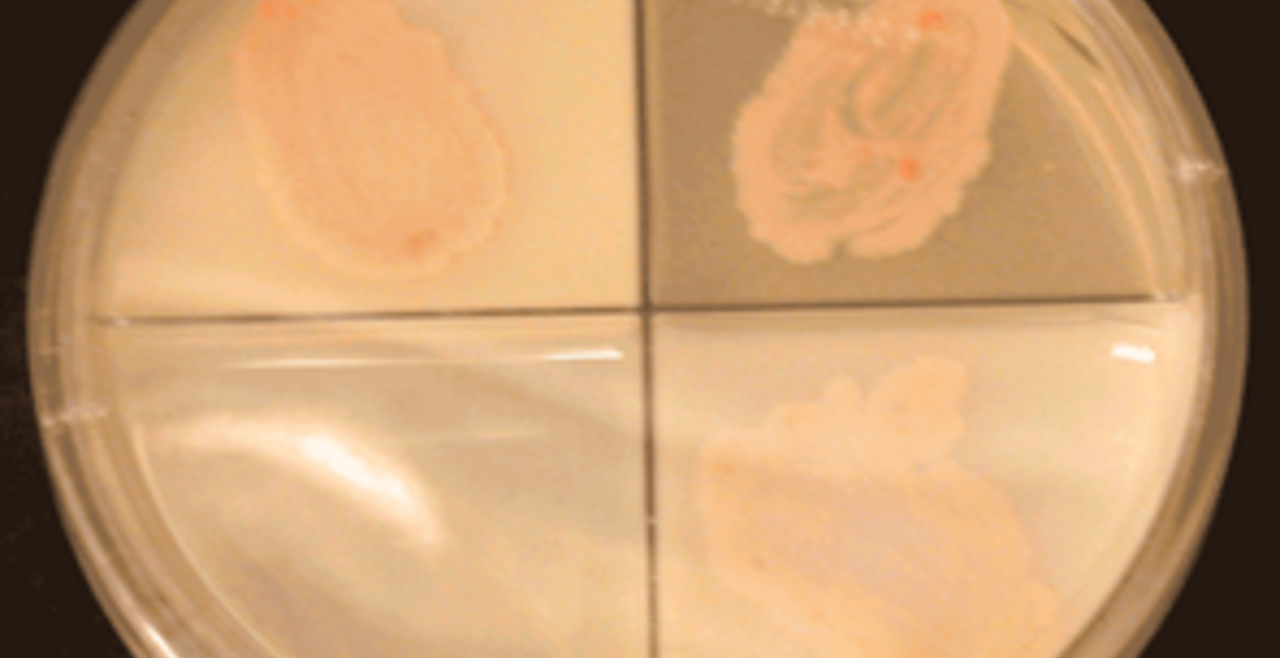
A dedicated block experience in Clinical Microbiology, involving an intensive 2-week rotation with the Director of the Clinical Microbiology Laboratory and residents in the Department of Clinical Pathology. During this block the trainee spends the mornings working one-on-one with a laboratory technician, rotating through the different parts of the Microbiology Laboratory over the two-week period. The trainee is instructed in microbiologic procedures, including the isolation, identification, and susceptibility testing of bacteria, mycobacteria, fungi and viruses. A Parasitology Laboratory and a Serology Laboratory performing clinically relevant diagnostic tests is also included in this rotation. Fellows round daily with the Director of the Clinical Micro Lab and the Clinical Pathology Resident discussing clinical microbiological issues that are active in the hospital at that time. In addition, focused didactic presentations are integrated into the block together with individual study of microbiological slide sets and monographs.
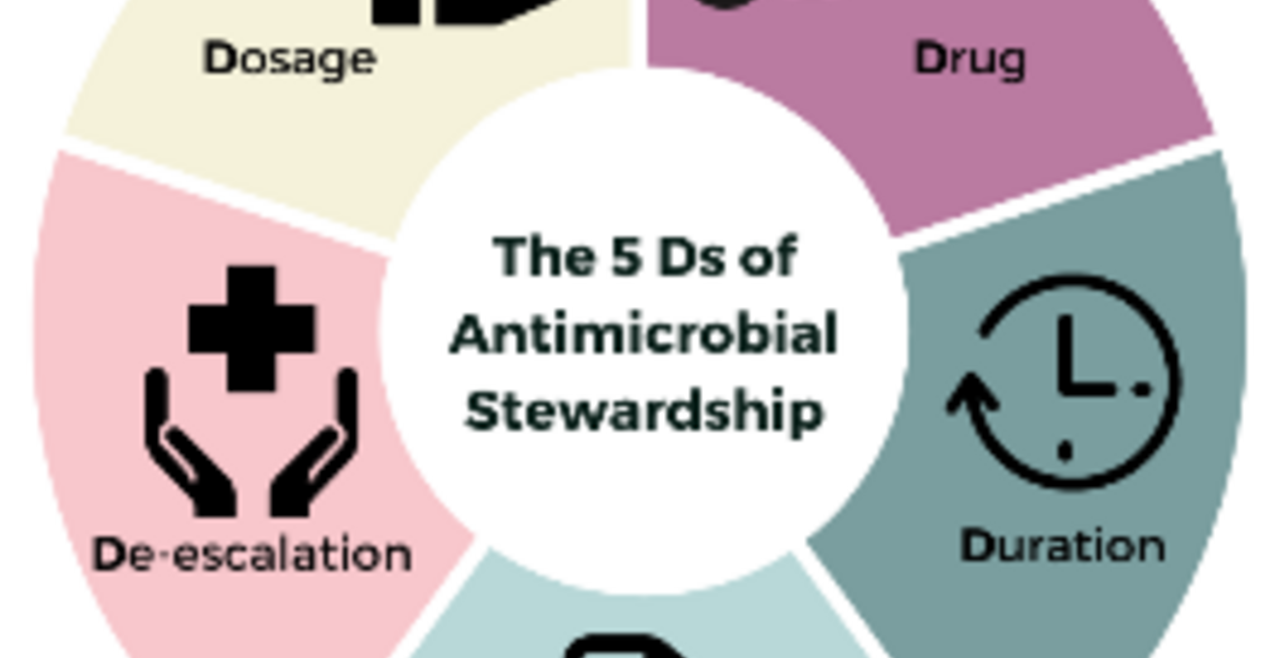
A dedicated block experience in Infection Control/Antimicrobial Stewardship(IC/AST) involving an intensive 2-week rotation with BIDMC Infection Control (IC) and Antimicrobial Stewardship Teams (AST) to learn principles and hands-on practice of IC/AST, to build content knowledge and also explore future career possibilities within these fields. During this rotation fellows will complete an online Infection Control Module where principles of hospital epidemiology and infection control are learned through didactics (recently this has been an on line course sponsored through SHEA-IDSA). Fellows will also complete the online IDSA Antimicrobial Stewardship Curriculum during this two week block. These modules are aimed at providing supplemental teaching which will add to the experiences acquired on the rotation.
A 3-day STI course during fellowship year two, developed and delivered by the Massachusetts Department of Public Health. Together with trainees from other Boston Infectious Diseases Fellowship Training Programs, and under the direction of the STD/HIV Prevention Training Center of New England and the Massachusetts Department of Public Health, fellows participate in didactic and laboratory sessions designed specifically to teach infectious diseases physicians how to recognize, treat, and report sexually transmitted infections.
- A curriculum in Patient Safety and QI delivered as a half-day retreat led by QI leaders in the Department of Medicine. Each second-year fellow presents one M+M Conference during which they perform root cause analysis (RCA). Each second-year fellow also completes a QI project, either independently or as a group, under the supervision of ID division QI faculty leadership,
A dedicated block experience in Pediatric Infectious Diseases involving the unique opportunity to learn about infections in the pediatric population at the Children's Hospital of Boston.
Extraordinary Clinical Care Opportunities
Fellows care for an extremely diverse patient population with a broad and complex spectrum of infectious diseases, including infections related to bone-marrow and solid organ transplantation, cancer therapies, diabetes complications, HIV, other immunocompromising conditions and therapies, surgical procedures, implants and prosthetic devices. Various fellowship ambulatory Infectious Diseases training opportunities at Cambridge Health Alliance, Dimock Community Health Center, Outer Cape Health Services, and Fenway Community Health Center further expand fellow opportunities to care for patients from the LGBTQ+ community, diverse ethnic backgrounds, refugees, as well as people struggling with substance use disorders, food insecurity, homelessness and low health literacy.
The Inpatient Consultation Service
The Inpatient Consultation Services
Consultation requests come to the Division of Infectious Diseases from all services within the BIDMC. The Division of Infectious Diseases provides consultation services for new requests and continued follow-up services for patients seen previously. There are two inpatient teaching consultative teams. One consultative team focuses on immunocompromised/transplant ID patients and the other team sees general ID patients. Each team averages 4-6 new consults per day. Each team includes two Infectious Diseases Fellows and a supervising Attending Infectious Diseases faculty member. By design, fellows work with their colleagues, learn from one another and faculty supervisors and distribute their workload. Members of the Division's Faculty directly supervise fellows on each of the consultation services. HMS students and BIDMC medical residents, as well as visiting trainees, rotate through these services and are an integral part of the team. Each first year fellow also spends one four-week rotation on the inpatient ID consultation service at Boston Children’s Hospital to gain knowledge regarding pediatric infectious diseases. In addition to the fellow teaching services, there are also three ID consult teams (ID Green, ID Yellow and ID Orange) which are staffed by an advanced practice practitioner and/or ID faculty. These teams are structured to take less acute/complex ID consults, follow up on OPAT patients that have not yet been discharged from the hospital and to help offload volume from the teaching services to maintain an appropriate balance of education vs service for our fellow trainees.
Infectious Diseases Ambulatory Clinic
Infectious Diseases Ambulatory Clinics
Ambulatory training in outpatient infectious disease consultation and longitudinal care of HIV infected patients is an essential part of Infectious Diseases Fellowship training. This is considered part of the Core Clinical Curriculum, and takes place during the first and second years of training, with additional ambulatory experience beyond the first two years continuing depending upon the needs and goals of the trainee.
- Infectious Diseases Ambulatory Continuity Clinic: Each fellow spends one half-day session per week working with a designated faculty preceptor who is typically a continuous supervisor for the entire two years. This experience ensures, in a controlled and supervised manner, that fellows participate in the longitudinal continuity care of patients with HIV infection and provide consultative services to ambulatory patients with general Infectious Diseases problems. Each fellow also participates in the follow up of OPAT (Outpatient Parenteral Antibiotic Therapy) patients with nursing and administrative support for this intensive follow-up provided by the ID clinic OPAT program.
- ID Ambulatory Specialty/ “Synergy” Clinics: All fellows have one-week long blocks of a dedicated Ambulatory Clinic rotation, during which they see patients in various specialty ID clinics based on availability and interest (e.g. Hepatitis/HIV Clinic, Mycobacterial Diseases Clinic, Transplant ID Clinic, Urgent Care ID etc). First year fellows are assigned five-six blocks/year. During these rotations, fellows see patients for ~3 half-day sessions and the remainder of their free time is utilized for scholarly pursuits (conference planning, advisor/mentor meetings) and wellness (scheduling personal doctor and dentist appointments, etc).
Elective Clinic Experiences
Elective Clinic Experiences
During the second fellowship year, additional ambulatory clinic experiences may be added if desired, including an additional longitudinal clinic for the care of patients with HIV, Hepatitis/HIV co-infection clinic, Transplant Infectious Diseases Clinic, TB/Mycobacterial Diseases clinic or Anal Dysplasia Clinic. Finally, additional ambulatory experiences in the care of patients with HIV, TB and/or viral hepatitis may be arranged at local community clinics affiliated with BIDMC such as Fenway Health Center, Dimock Community Health Center, Cambridge Health Alliance and in Provincetown, through the Outer Cape Health Services Clinic, under the supervision of division or affiliated faculty preceptors.
Training Opportunities in Infectious Diseases Fellowships
Medicine-Pediatrics Track
Medicine-Pediatrics Track
This training track in Medicine-Pediatrics is the product of a collaboration between BIDMC and Boston Children’s Hospital Infectious Diseases Fellowship Programs and launched in 2014. The track accepts graduates of Medicine-Pediatrics residency training programs who are interested in continuing fellowship training in both adult and pediatric infectious diseases. Throughout the track curriculum, fellows train in clinical adult and pediatric infectious diseases, take advantage of a broad array of superb, integrated educational conferences and dedicate two full years to closely mentored research projects in their area of interest
Healthcare Epidemiology and Antimicrobial Stewardship Tracks
Healthcare Epidemiology and Antimicrobial Stewardship Tracks
These training tracks provide fellows interested in future careers in infection prevention/healthcare epidemiology or antimicrobial stewardship with opportunities during their second- and third-years of fellowship (if applicable) for additional focused education, research and training opportunities that can be customized based on interests and career goals.
Advanced Research Track
Advanced Research Track
This track provides an opportunity for BIDMC ID fellow trainees to pursue sustained and rigorous research and career development experiences to prepare them to launch successful careers as clinician-scientists in academic ID. Fellows have a wide variety of opportunities to pursue clinical, translational and basic science endeavors.
Many fellows in this training track, particularly those pursuing ID careers in clinical/translational research, will complete basic course work in the Summer Program in Clinical Effectiveness at the Harvard School of Public Health (HSPH). Depending on career interests, some choose to complete an MPH degree after PCE. Others may take supplemental courses offered by the Harvard Catalyst such as Applied Biostatistics, or other courses relevant to their particular career development pathway.
Scholar Tracks
Scholar Tracks
The BIDMC ID Fellowship scholar tracks are typically two-year training tracks designed for fellows to develop specific skills to launch future success in various ID career development pathways. Established scholar tracks, each led by experienced and dedicated faculty mentors, include Medical Education, Global Health, Antimicrobial Stewardship, Hospital Epidemiology, Transplant ID, Microbiology, HPV/High Resolution Anoscopy, Addiction and ID, and Quality Improvement. A new scholar track in Climate Change and ID is also being developed for those interested in research and advocacy at the intersection of these important content areas. Based on fellow career interest, additional clinical experiences may be part of these tracks and a focused scholarly project, with the guidance and support of track mentors, is expected.
Core ID Division Conferences