

Research Track: Mentors and Opportunities
Leading Research from the Division of Infectious Diseases
The Division of Infectious Diseases at BIDMC is dedicated to excellence in clinical and translational research as well as scholarship to improve health care delivery. Our faculty engage in world-class scientific investigation in HIV treatment and prevention, vaccine development and trials, infection control and hospital epidemiology, antimicrobial stewardship, global health care, microbiology and advanced diagnostics, and medical education.
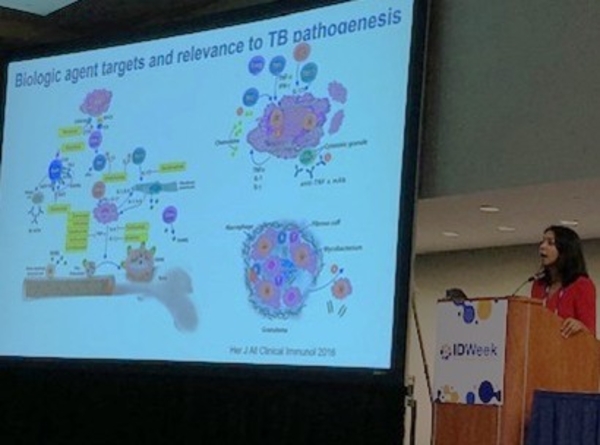
Research from the Division
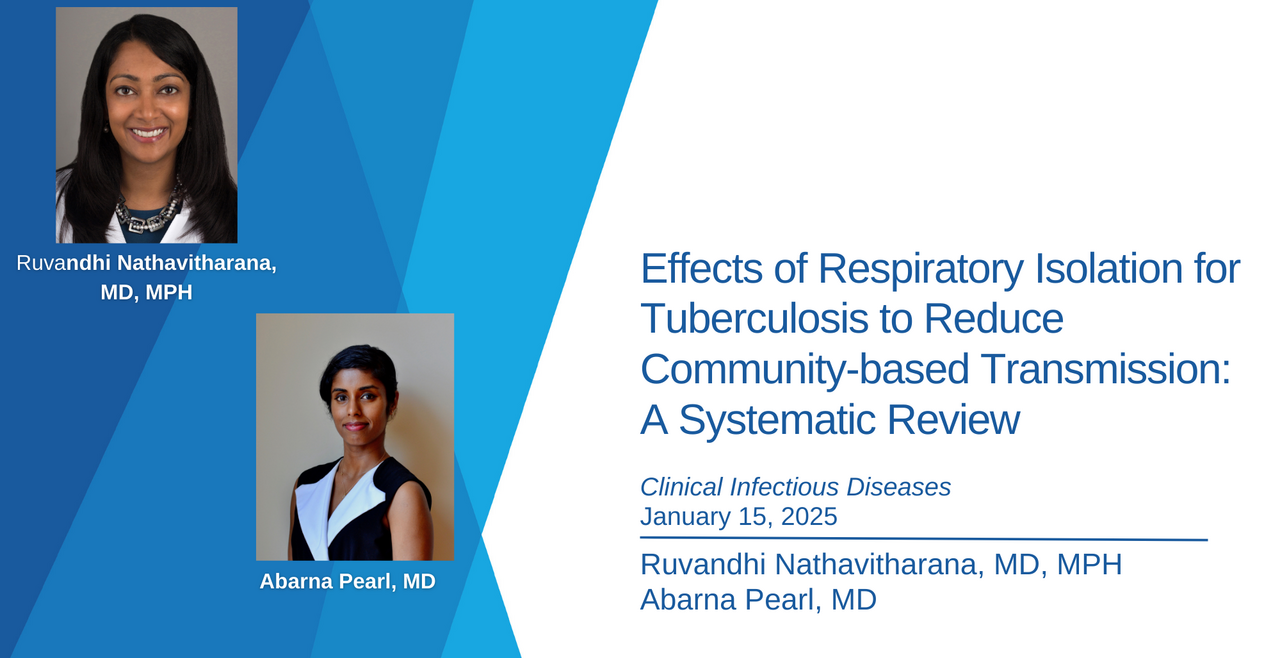
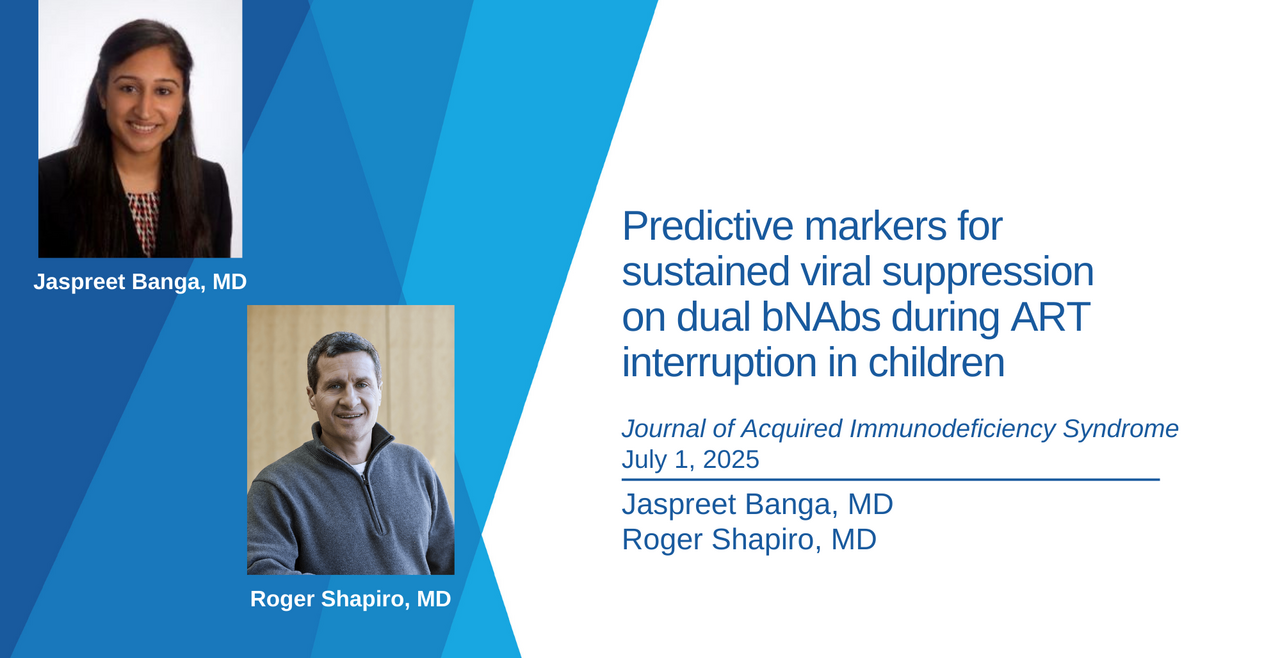
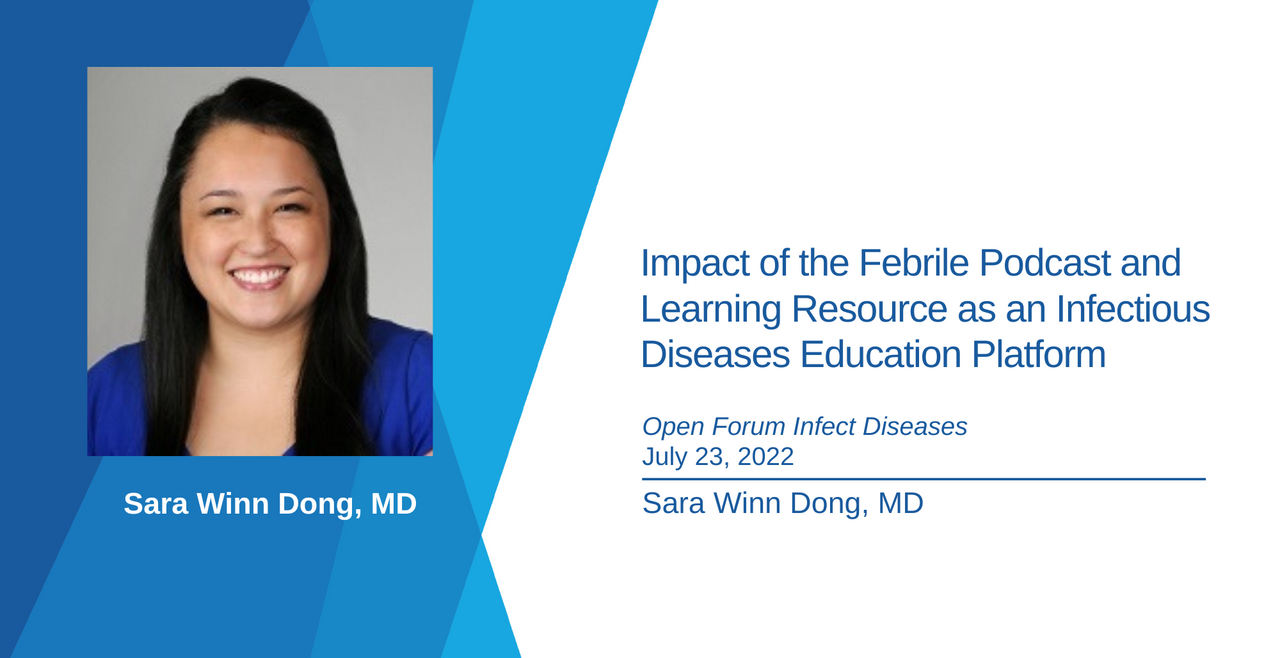
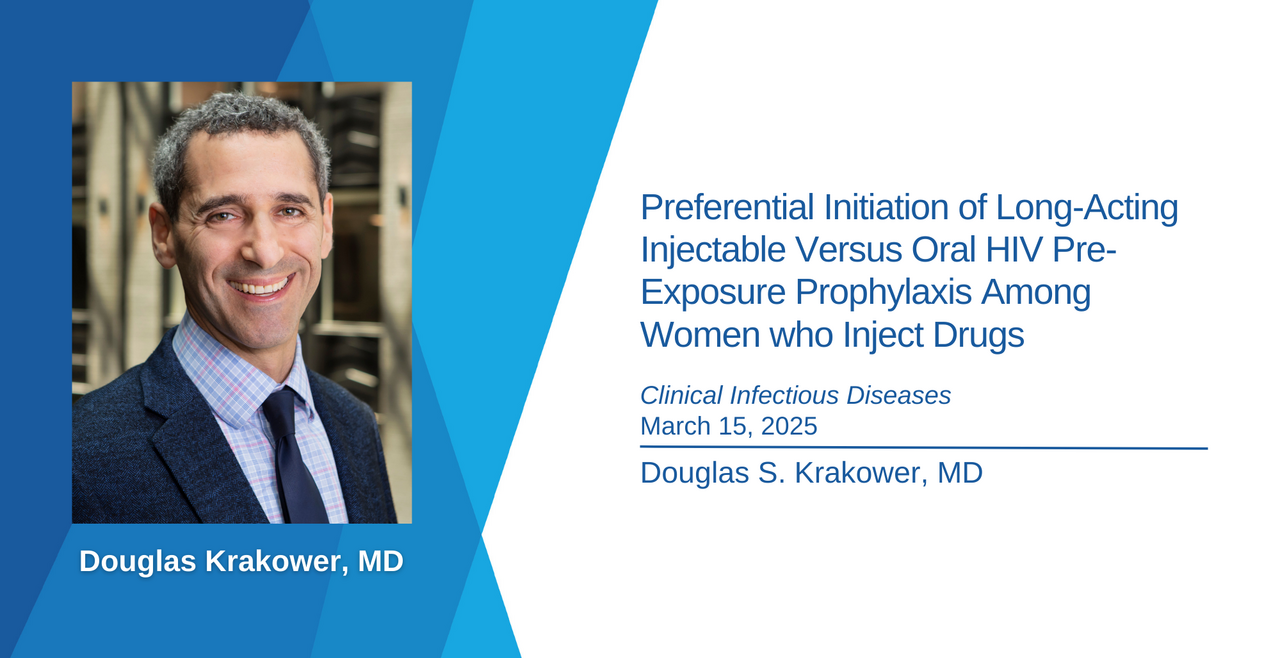
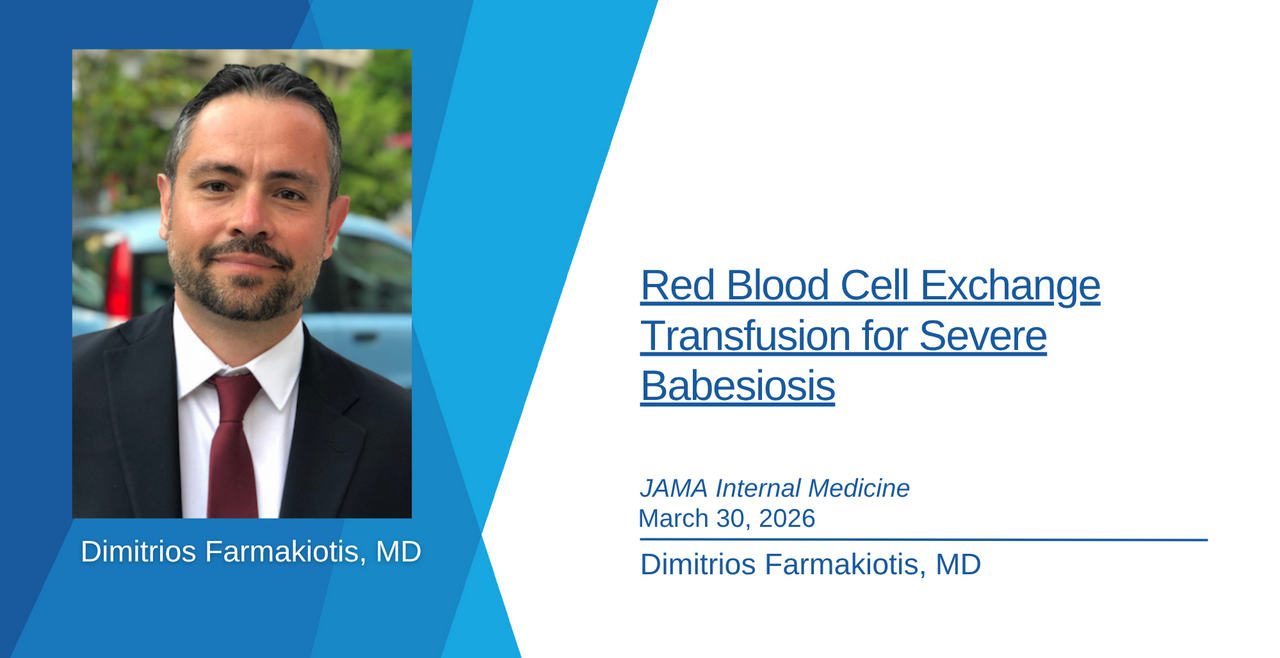
Browse the slides below for a look at recent research publications from our ID Division fellows and faculty. Click on the slide to link to the publication.
About Our Research Training
Trainees interested in pursuing careers in research investigation have a wide variety of clinical, translational, medical education and basic science research opportunities in a domestic or global setting. To make the transition to the research years, fellows will work with program leadership, during their first year of fellowship to identify a particular area of interest and a project with a specific research and career mentorship team. Once identified, fellows will work with their designated mentor(s) throughout the remainder of their training. This mentor(s) will supervise a fellow's development into an independent investigator which includes the development and implementation of research projects, publications, and grant submissions that will be used to obtain funding for project support and salary support in the non-ACGME years as needed.
BIDMC fellows have the opportunity to work with primary mentors both inside and outside BIDMC at one of the Harvard affiliated hospitals. Our fellows have worked with mentors from other Harvard teaching hospitals, Boston Children's Hospital, Harvard T.H. Chan School of Public Health, the Ragon and Broad Institutes and others. Fellows interested in working with mentors outside of BIDMC will continue to meet regularly with a BIDMC advisor throughout their fellowship training and continue to have consistent BIDMC fellowship program leadership involvement through regular Scholarship Oversight Meetings.
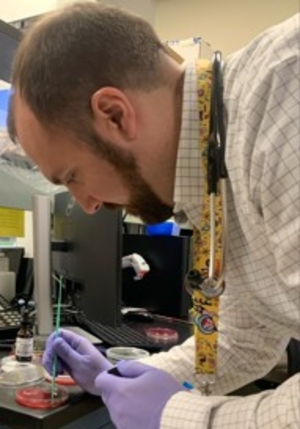
Listed below are faculty research and career mentors within the Division of Infectious Diseases at BIDMC along with brief descriptions of their backgrounds and research and career interests
Scholarship Oversight Committee
A scholarship oversight committee (SOC) meets with each fellow annually. The SOC consists of experienced ID faculty members with a spectrum of clinical, translational, basic science and education research backgrounds and a wealth of successful mentoring experiences. The SOC serves as a sounding board for fellows and mentors to address any issues that arise while working on their research projects and creates a formal process where research can be presented to receive constructive group feedback. The SOC will offer suggestions about what seems feasible during this time period, raise different approaches to address residual questions, and review and monitor the timeline of the research to ensure progress is being made so the work can be completed and shared as peer-reviewed scholarship. Individual members of the SOC often serve as informal mentors outside of the formal SOC process to ensure the research experience is optimized.
Learn more about the Infectious Disease Fellowship Program and how to apply.
Our Research Mentors
Carolyn Alonso, MD
Carolyn Alonso, MD

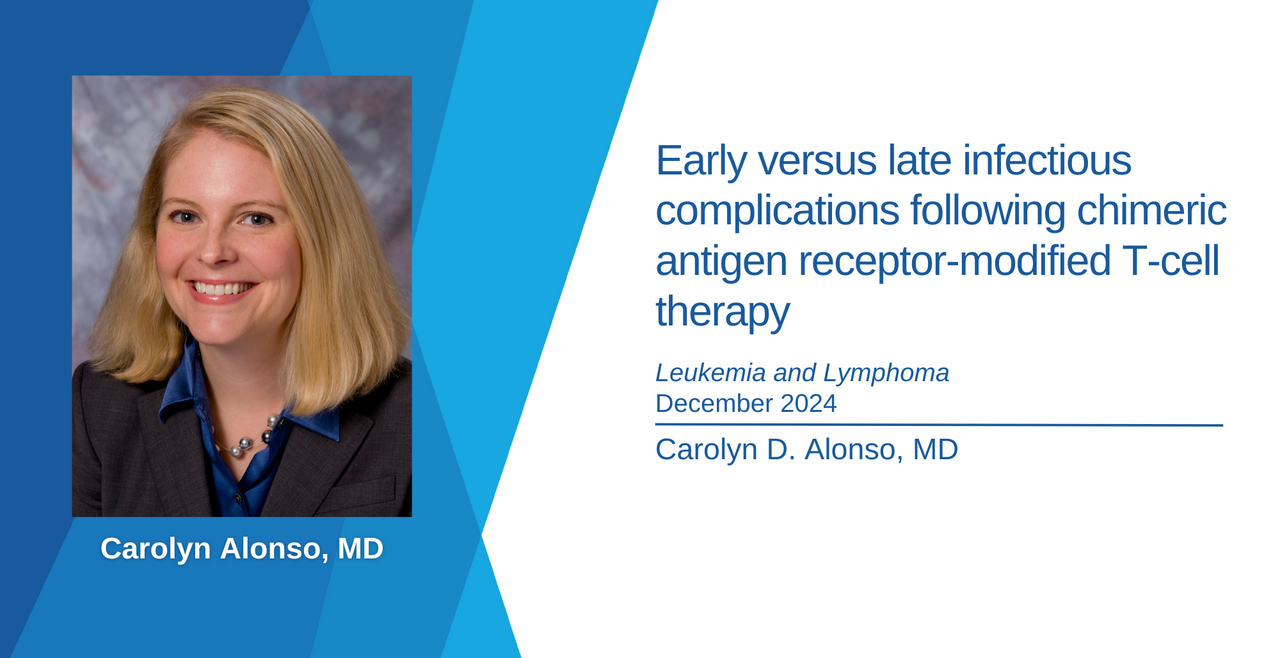
Dr. Carolyn D. Alonso is an Associate Professor of Medicine at Harvard Medical School and serves as the Director of the Transplant and Immunocompromised Host Program at Beth Israel Deaconess Medical Center. Her clinical work involves the care of patients with infections following solid organ transplant and in patients with hematologic malignancies. She is actively involved in creating and revising numerous protocols specific to infection prevention in the Transplant Institute and the BIDMC Cancer Center. Her research focuses on the epidemiology and outcomes of C. difficile infection among immunosuppressed patients. She also has a strong interest in evaluating infections complications following cellular therapies, including CAR-T cell therapy. She has several ongoing clinical research projects in this area, including a multicenter project to evaluate CMV infection following cellular therapies. Dr. Alonso has been involved in multiple national ID guidelines committees including the ASTCT guidelines for C difficile infection, the American Society of Transplantation updated guidelines for C Difficile in solid organ transplantation, the IDSA committee for immunomodulator therapy, and the NIH/CDC guidelines for prevention of opportunistic infections in adults. Learn more about Dr. Alonso.
Dan Barouch, MD, PhD, FIDSA
Dan Barouch, MD, PhD, FIDSA
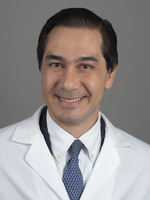
Dr. Barouch is the Director of the Center for Virology and Vaccine Research at BIDMC. His research focuses on studying the immunology and virology of HIV-1 infection and developing novel vaccine strategies. Dr. Barouch's team has demonstrated that humoral and cellular immune responses elicited by adenovirus and poxvirus vectors can partially protect against acquisition of infection and can control viral replication following pathogenic virus challenges in rhesus monkeys. They have also developed a series of alternative serotype and chimeric adenovirus vector-based vaccines that are designed to circumvent the high titers of neutralizing antibodies to the common adenovirus serotype 5 (Ad5) vector in the developing world. They have constructed a variety of novel vaccine vectors, explored their immunogenicity and protective efficacy in preclinical studies, and advanced optimal vaccine candidates into clinical trials. Four phase 1 clinical trials with these novel HIV-1 vaccine vectors are currently in progress in the United States and sub-Saharan Africa. Dr. Barouch's group is a key part of the Bill and Melinda Gates Foundation Collaborative for AIDS Vaccine Discovery (CAVD), the NIH Center for HIV/AIDS Vaccine Immunology (CHAVI), and the Ragon Institute of MGH, MIT and Harvard. Learn more about Dr. Barouch.
Catherine Bielick, MD
Catherine Bielick, MD
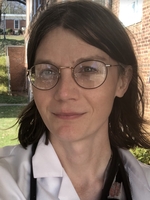
Dr. Bielick's research examines where preventable harm concentrates among people with HIV. Using more than a decade of national hospitalization data, she has quantified regional and demographic disparities in hospitalizations and in-hospital mortality for HIV-related opportunistic infections, and she developed an open-source R package for rigorous, disclosure-compliant analysis of these data sets. Her NIH-funded K08 program applies artificial intelligence to predict opportunistic-infection outcomes and to localize these disparities so that prevention resources can reach the communities that need them most. She also studies and speaks on how artificial intelligence should be evaluated and governed in medicine. This work lays the groundwork for the system now in active design and development: a memory-first clinical AI agent system for HIV care. It is designed to keep a single patient's record as a correct and auditable account of the evidence behind each decision. HIV, with decades-long and fragmented records, is the proving ground. The system is built to have distinct, self-contained modules of study, which opens a range of concrete AI projects for trainees to engage with. Catalyst profile
Natalia Castillo Almeida, MD
Natalia Castillo Almeida, MD
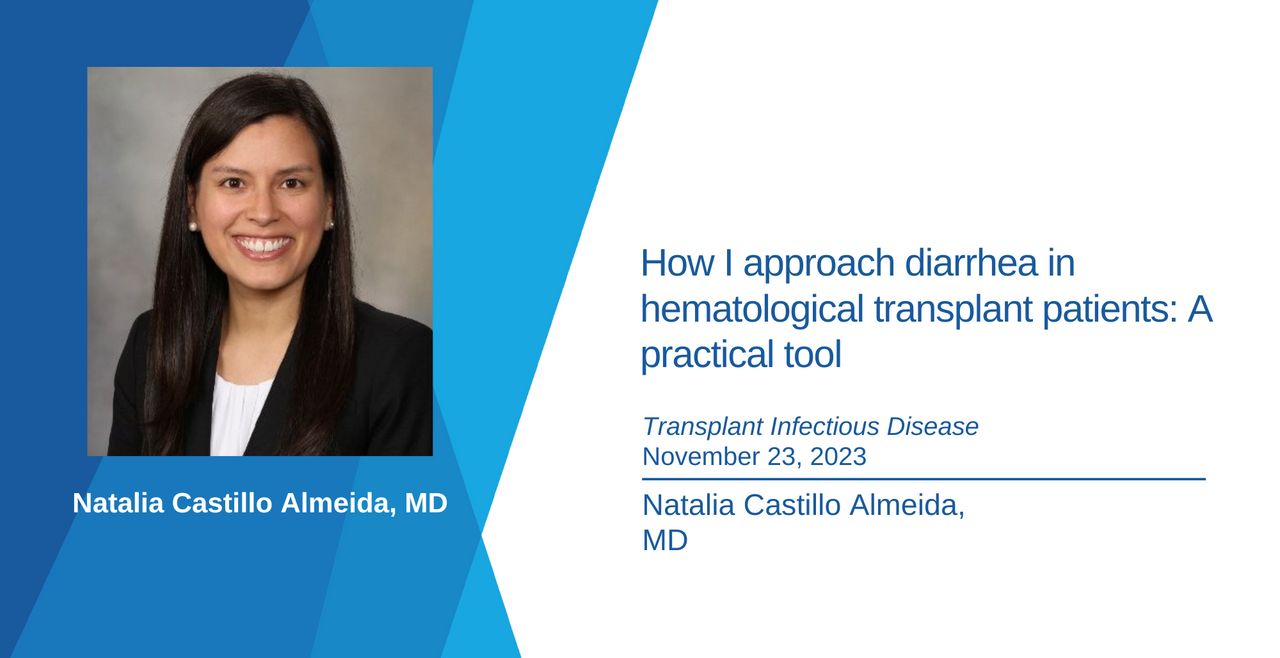
Dr. Castillo Almeida specializes in the care of immunocompromised hosts and transplant recipients. She earned her MD from Universidad San Francisco de Quito in Ecuador, completed her residency training in Internal Medicine at the University of Central Florida, and fellowship training in Infectious Diseases at the Mayo Clinic. After three years at the University of Nebraska, she joined the BIDMC ID Division in 2024. Dr. Castillo Almeida has developed a nationally recognized academic career focused on transplant infectious diseases, viral infections in immunocompromised patients, antimicrobial stewardship, and vaccine research. Her research focuses on infectious diseases in high-risk populations, including novel antiviral therapies, antimicrobial resistance, and vaccine development.
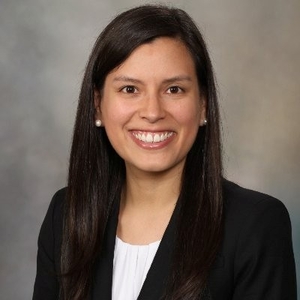
Michelle Chan, MD
Michelle Chan, MD

Dr. Chan received her MD from Case Western Reserve University and completed internal medicine residency at Ohio State University Wexner Medical Center. She then went on to complete infectious disease fellowship at Beth Israel Deaconess Medical Center. Her current research focuses on investigating the use of antibiotics at the end of life in the hematology/oncology population. Her interests include general infectious diseases, antibiotic stewardship, and infection control. Learn more about Dr. Chan
Sara Winn Dong, MD
Sara Winn Dong, MD
Dr. Dong is a clinician educator at Beth Israel Deaconess Medical Center (BIDMC) and Boston Children's Hospital (BCH) who specializes in infectious diseases in adult and pediatric transplant recipients and immunocompromised patients. She earned her MD from the Medical University of South Carolina. She completed her internal medicine-pediatrics (Med-Peds) residency and chief residency years at Ohio State University Wexner Medical Center and Nationwide Children’s Hospital, followed by an adult and pediatric (Med-Peds) ID fellowship at BIDMC and BCH. She also completed the Rabkin Fellowship in Medical Education in 2022.

Her academic work focuses on the use of digital education resources (especially podcasts and infographics!) and innovation to enhance learning and engagement within the ID community. She is the creator, producer, and host of Febrile podcast and learning platform, co-host of the ID Puscast podcast, and the program director for the ID Digital Institute (a curriculum focused on digital education skills). She serves as the lead of creative development for the IDWeek "Out-BREAK!" educational escape room activity, and she is actively involved in multiple national committees related to ID medical education, transplant ID curricula, and Med-Peds ID training. Learn more about Dr. Dong.
Dimitrios Farmakiotis, MD, FACP, FIDSA
Dimitrios Farmakiotis, MD, FACP, FIDSA
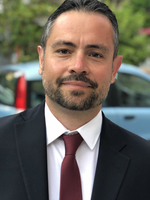
Dr. Farmakiotis specializes in Transplant and Oncology Infectious Diseases. He joined the ID Division of BIDMC in 2024, after 9 years with Brown University, where he was Director of Transplant and Oncology ID. Dr. Farmakiotis' research areas of expertise are biostatistics, large datasets and clinical trials. His scholarly and clinical interests focus on common and opportunistic infections in immunocompromised patients, particularly invasive fungal infections, mechanisms and clinical significance of resistance to antifungals in Candida species, antifungal stewardship, CMV, COVID-19 and tickborne illnesses. He is the only ID Physician on the Steering Committee of the COVID-19 and Cancer Consortium (ccc19), the largest curated registry of patients with malignancies and COVID-19 in the US, which is actively funded by the NIH. He also has a key role in the STOP Babesiosis multi-institutional registry, the largest database of patients hospitalized with Babesia infection to-date. He has received internal and extramural research support and co-authored >130 peer-reviewed manuscripts, many in high-impact journals.
Adolf W. Karchmer, MD, FIDSA
Adolf W. Karchmer, MD, FIDSA

Dr. Karchmer's research interests include antibiotic chemotherapy, endocarditis, infections of foreign bodies, infections in diabetics, and immunocompromised patients. Learn more about Dr. Karchmer.
Douglas Krakower, MD
Douglas Krakower, MD
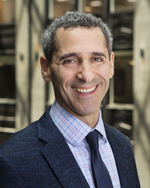
Dr. Krakower is Chief of the Division of Infectious Diseases at BIDMC, a Research Scientist at The Fenway Institute, Faculty at the Harvard Pilgrim Healthcare Institute, and Associate Professor in Medicine and Population Medicine at Harvard Medical School. His research portfolio focuses on ways to optimize HIV prevention in healthcare and community settings, including innovative strategies to implement HIV preexposure prophylaxis (PrEP). With funding from NIH and industry, his work includes partnerships with community health centers, public health departments, harm-reduction programs, and a large urban jail. He is a member of the Executive Committee of the Harvard University Center for AIDS Research (CFAR) and is the BIDMC Site Director for the CFAR's Clinical Core. He is also Site Principal Investigator at the Fenway Institute for HIV Prevention Trials Network Study 102, a safety, tolerability and acceptability study of twice-yearly lenacapavir for the prevention of HIV among cisgender women in the US. Learn more about Dr. Krakower.
Jeffrey Larnard, MD
Jeffrey Larnard, MD

Dr. Larnard received his MD from the University of Massachusetts Chan Medical School and completed his Internal Medicine training at New York Presbyterian-Columbia prior to coming to BIDMC for Infectious Disease fellowship and staying on as faculty. He completed the Clinician-Educator Track for Fellows during his Infectious Diseases training at BIDMC and is a core faculty member for the Infectious Diseases Fellowship. His research has focused on investigating antimicrobial prescribing at the end of life to inform future educational and stewardship initiatives in this population. He also serves as Medical Director of Outpatient Parenteral Antibiotic Therapy (OPAT) and has a clinical interest in musculoskeletal infections. Learn more about Dr. Larnard
Mary LaSalvia, MD
Mary LaSalvia, MD
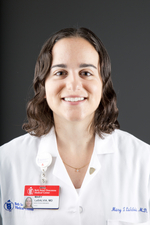
Dr. LaSalvia joined the faculty in 2013 after serving as a resident, chief resident, and infectious diseases fellow at Beth Israel Deaconess Medical Center (BIDMC). She currently serves as the Interim Chief of the Division of Infectious Diseases while also continuing to be the Clinical Director of the Division of Infectious Diseases and Medical Director of Ambulatory Clinical Operations in the Department of Medicine as well as Medical Director of Ambulatory Quality in the Silverman Institute of Health Care Quality.
Clinically, her focus is on the care of patients with endovascular infection, bone & joint infection, and diabetic foot infection, as well as the management of outpatient intravenous antibiotic therapy. My quality improvement and research endeavors within infectious diseases are focused on the care of patients in our ambulatory clinics as well as the clinical care of patients requiring infectious diseases consultation including the standardization of management of S. aureus bacteremia, diabetic foot osteomyelitis, and the safety of outpatient parenteral antibiotic therapy.
In her role as Medical Director of Ambulatory Quality at BIDMC, her current focus is on the standardization of closed loop communication of test results, imaging, and referrals as well as the development of an ambulatory safety net program with a focus on cancer screening. Learn more about Dr. LaSalvia.
Matthew Lee, MD
Matthew Lee, MD

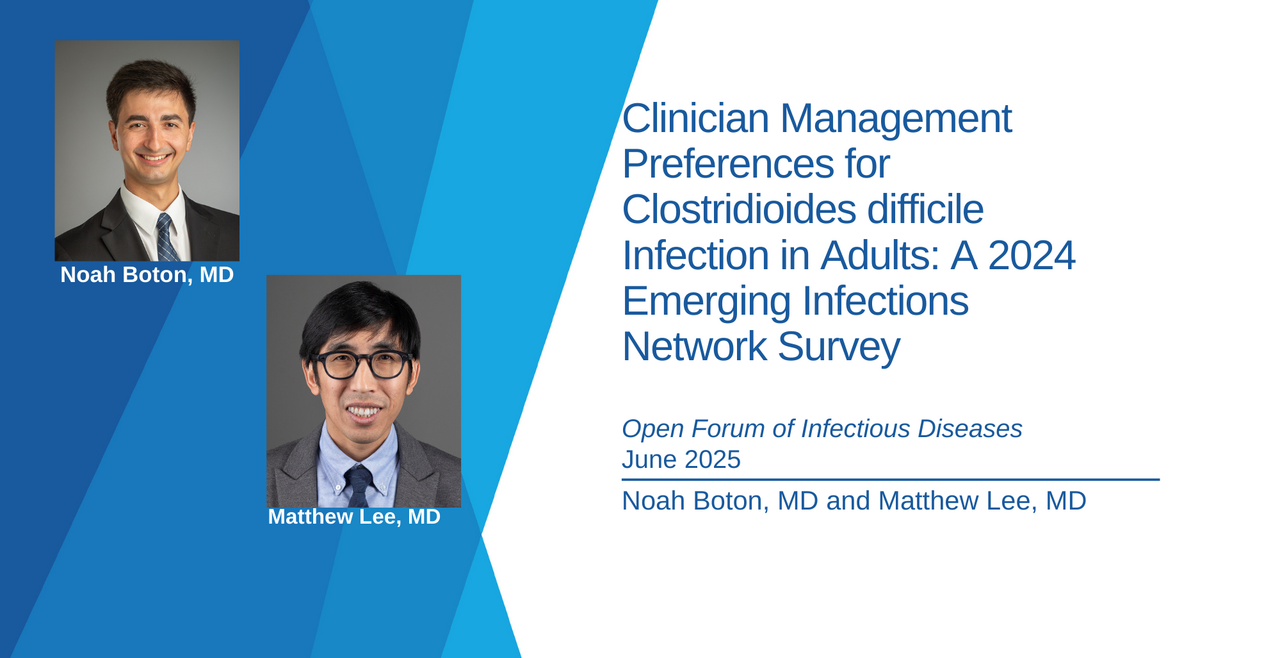
Dr. Lee is an Associate Hospital Epidemiologist at BIDMC and Medical Director of Infectious Diseases and Infection Control at BID-Needham, working with Infection Prevention & Control (IPC) and Antimicrobial Stewardship teams at each of these sites. His interests have recently focused on C. difficile diagnostic stewardship and management. He has co-led the development of the following system-level BILH guidelines: "Prevention of C. difficile Infection" and "Adult Treatment Guidelines for C. difficile Infection”. He also has a keen interest in medical education and fellow mentorship related to antimicrobial stewardship. He organizes several BIDMC Antimicrobial Stewardship teaching conferences and is a member of the IDSA Antimicrobial Stewardship Curriculum workgroup. Learn more about Dr. Lee.
Audrey Le-Mahajan, MD, MSCE
Audrey Le-Mahajan, MD, MSCE

Dr. Le-Mahajan’s medical training has spanned much of the East Coast: she received her undergraduate degree in Biomedical Engineering at Virginia Commonwealth University, where she also stayed to obtain her medical degree. She subsequently completed her internal medicine training at Rhode Island Hospital. Dr. Le-Mahajan then went on to perform her clinical and research fellowship in infectious diseases at the Hospital of the University of Pennsylvania. She obtained her Master of Science in Clinical Epidemiology at the Perelman School of Medicine and ultimately moved back to New England in the fall of 2022 to join the BIDMC faculty. She serves as an attending on the inpatient immunocompromised host teaching service and sees patients in both solid organ transplant and hematologic malignancy clinics. Her research is focused on fungal diagnostics and early diagnosis of infections in immunocompromised hosts. Learn more about Dr. Le-Mahajan
Kenneth Mayer, MD, FIDSA
Kenneth Mayer, MD, FIDSA
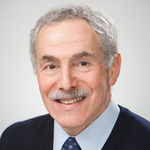
Dr. Mayer has been conducting bio-behavioral studies of HIV prevention in high-risk populations in the US at Fenway Health, and in several international studies overseas, particularly India. He has led studies of HIV chemoprophylaxis (PEP, PrEP, and topical microbicides), vaccines, as well as social and structural interventions. He is the New England site Principal Investigator for the NIH's HIV Prevention Trials Network (HPTN) and Microbicides Trials Network (MTN) consortia; and co-PI of the Harvard HIV Vaccine Trials Unit. He was one of the national chairs of HPTN 061, a study focused on developing HIV prevention interventions for Black men who have sex with men, and is Protocol Co-Chair of HPTN 069, which is evaluating Maraviroc for use as PrEP. He is also funded by NIMH to work with behavioral scientists to develop adherence interventions for PrEP users.
Dr. Mayer is also involved with several natural history studies of HIV, including the CFAR Network of Clinical Integrated Systems (CNICS), which follows more than 30,000 HIV-infected patients in care at 8 US centers. He is also leading an effort to train other community health centers to use their electronic health records to conduct clinical research. His recent papers have appeared in the Annals of Internal Medicine, Lancet, New England Journal of Medicine, AIDS, Journal of AIDS, Clinical Infectious Diseases, and other journals. He continues to work with several centers in India, and is part of the Executive Committee of the HPTN, working on developing combination HIV prevention interventions. Learn more about Dr. Mayer.
Preeti Mehrotra, MD
Preeti Mehrotra, MD, MPH
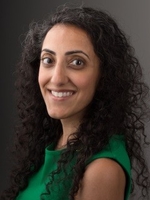
Dr. Mehrotra is a practicing adult and pediatric infectious diseases physician and was our inaugural fellow to complete combined training in adult and pediatric infectious diseases at Beth Israel Deaconess Medical Center and Boston Children's Hospital. Since joining faculty in 2017 she is now Hospital Epidemiologist and senior medical director of infection prevention and control at the Beth Israel Deaconess Medical Center. Dr. Mehrotra’s clinical, operational and academic work is collaborative and cross sectoral. She focuses on the socioeconomic, ethical, and regulatory implications of infection prevention and control as well as antimicrobial stewardship efforts. She has published and lectured nationally and internationally on transmission of multi drug resistant organisms, perinatal infection control, and the relationship between infection prevention and environmental sustainability, climate health, and global health security. Learn more about Dr. Mehrotra
Ruvandhi Nathavitharana, MB, BS, MPH
Ruvandhi Nathavitharana, MB, BS, MPH

Dr. Ruvandhi Nathavitharana is an Associate Professor of Medicine at Harvard Medical School and Beth Israel Deaconess medical Center. Dr. Nathavitharana's primary research focus is on tuberculosis (TB), funded by a US National Institutes of Health Director's New Innovator Award. She uses translational and implementation science to optimize TB diagnosis, decrease transmission, and end stigma. She has led evidence syntheses for World Health Organization TB diagnostic guidelines and the National TB Coalition of America Respiratory Isolation guidelines. Dr. Nathavitharana is also leading studies focused on improving the care of people with non-tuberculous mycobacterial (NTM) infections.
Dr. Nathavitharana's clinical efforts are focused on the longitudinal, multidisciplinary care of patients with TB and NTM infections. She directs the BIDMC Center for Mycobacterial Infections, which is recognized by the NTM and Bronchiectasis Care Center Network and co-moderates an NTM focused clinical case conference hosted by NTM Info and Research. Dr. Nathavitharana co-directs the BIDMC Internal Medicine Residency Social Justice Pathway. Dr. Nathavitharana also serves as Associate Editor for Clinical Infectious Diseases, and Chair of TB Proof, a TB advocacy organization based in South Africa. Learn more about Dr. Nathavitharana.
Christopher Rowley, MD, MPH
Christopher Rowley, MD, MPH
Dr. Rowley is an Assistant Professor of Medicine at Harvard Medical School and a past member of the Essex Laboratory at the Harvard School of Public Health. His primary laboratory interests were related to HIV drug resistance in southern Africa and he was the principal investigator of an NIH-funded study to monitor for transmitted HIV drug resistance in Botswana and has worked to develop techniques allowing for low cost alternatives for resistance testing. Since leaving the laboratory, he has served as the Associate Program Director for the ID Fellowship and has been engaged in research within the Infectious Diseases Division related to the infectious complications of opioid use disorder. He currently serves on the hospital-wide Opioid Care Committee and as the Director of Opioid Use Disorder Education for the Department of Medicine at the BIDMC. Learn more about Dr. Rowley.
Roger Shapiro, MD, MPH
Roger Shapiro, MD, MPH

Dr. Shapiro is an Associate Professor in Medicine at Harvard Medical School and the Harvard TH Chan School of Public Health. His research involves improving birth outcomes and childhood survival among HIV-exposed infants in the developing world. He has led several studies to evaluate new strategies to prevent mother-to-child transmission (PMTCT), including the use of maternal antiretroviral therapy (ART) in breastfeeding. He is currently the principal investigator on studies in Botswana that evaluate the relationship between antiretroviral therapy and adverse birth outcomes, risk factors for childhood mortality, the potential benefit of very early antiretroviral treatment for HIV-infected infants in the Early Infant Treatment Study, and use of broadly neutralizing monoclonal antibodies (bNAbs) as a treatment strategy for HIV-infected children. He is the co-investigator on studies to evaluate neurodevelopmental outcomes in children exposed to antiretrovirals and community-wide combination prevention strategies to reduce HIV incidence. He is also an active research and clinical mentor in Botswana and Boston, and mentor within a teaching and training program that he initiated for rotating Harvard-based clinicians at one of the district hospitals in Botswana. The results of his research in Botswana have been used to direct health policy in Botswana and internationally, and through this work, he has become a scientific advisor to the World Health Organization for the development of guidelines for PMTCT, pediatric antiretroviral treatment, and infant feeding. Learn more about Dr. Shapiro.
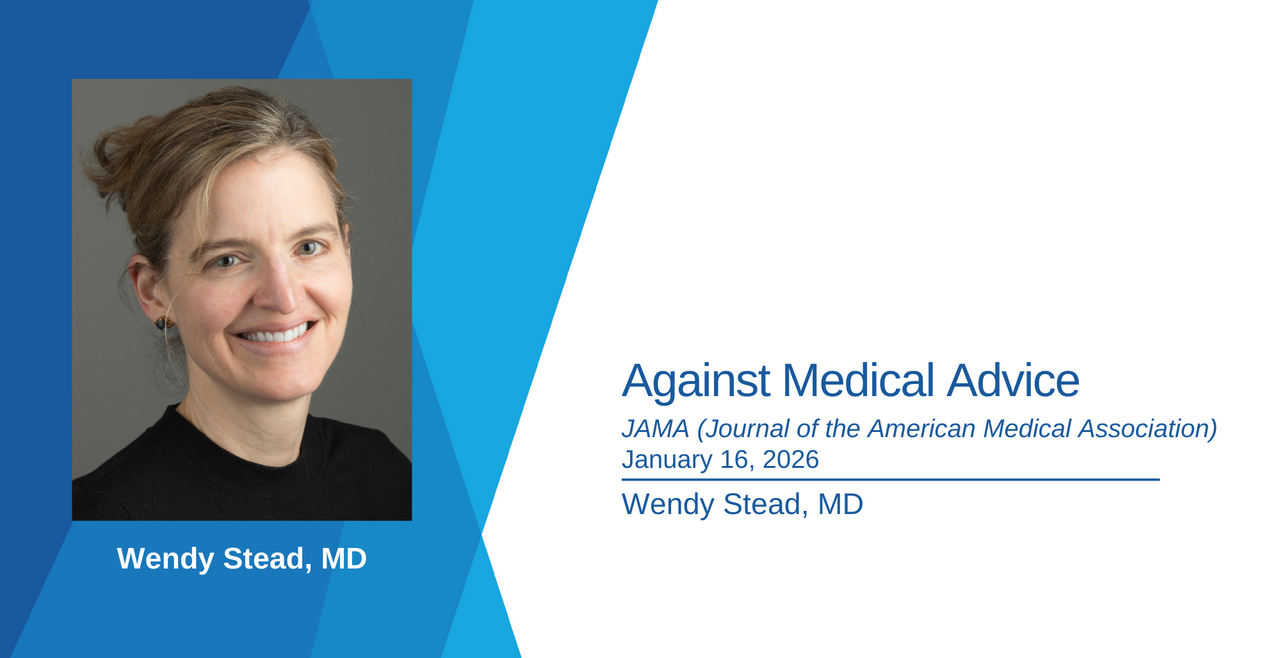
Wendy Stead, MD
Wendy Stead, MD
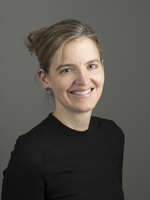
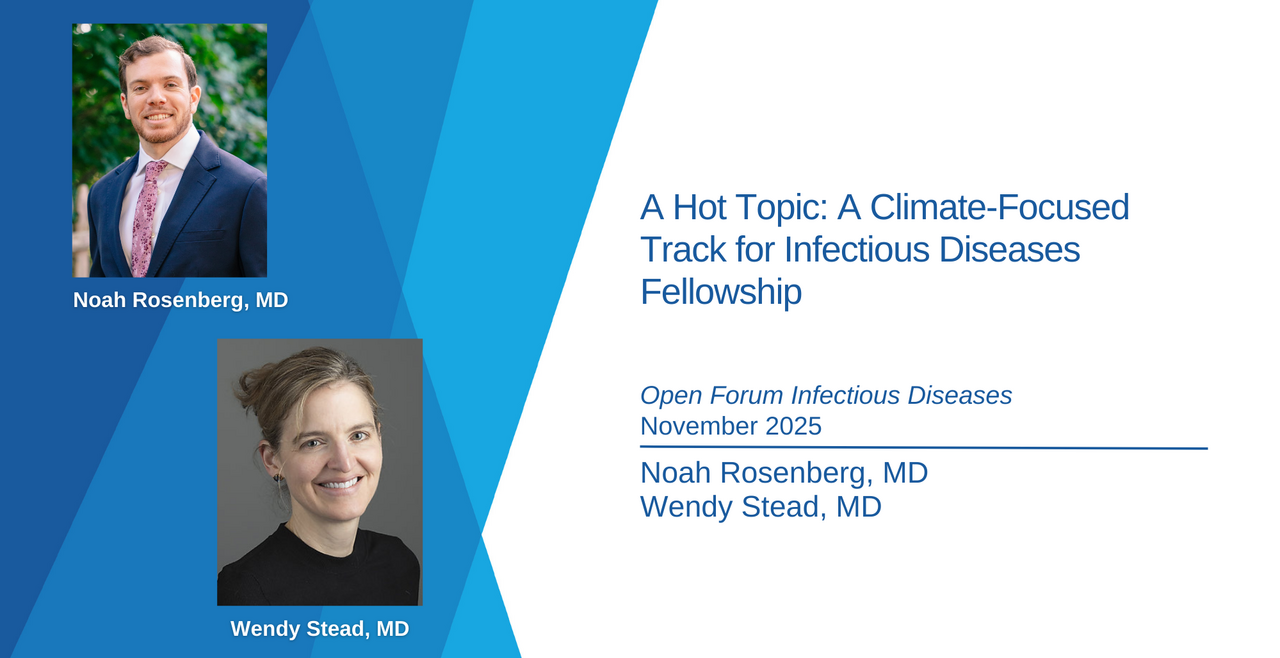
Dr. Stead received her MD from the University of Massachusetts and completed her Internal Medicine Residency and ID Fellowship at Beth Israel Deaconess Medical Center, joining the faculty with a joint appointment in the Divisions of Infectious Diseases and General Medicine and Primary Care in 2003. She completed a Rabkin Fellowship in Medical Education in 2010 and dedicates herself to patient care and medical education research and leadership, winning many awards for teaching, mentorship, and humanistic care. She serves as Chief of the Hermann Blumgart Firm for BIDMC's Internal Medicine Residency Program and as Program Director of the BIDMC Infectious Diseases Fellowship. Her active research interests include using interdisciplinary education strategies to improve interspecialty collaboration, antimicrobial stewardship, and diagnosis and management of cardiovascular infections. She loves narrative medicine and writing stories about her inspiring patients, has published narrative and poetry works in peer-reviewed journals and serves as Associate Editor for the "Healing Arts" section of the Journal of General Internal Medicine. Learn more about Dr. Stead.
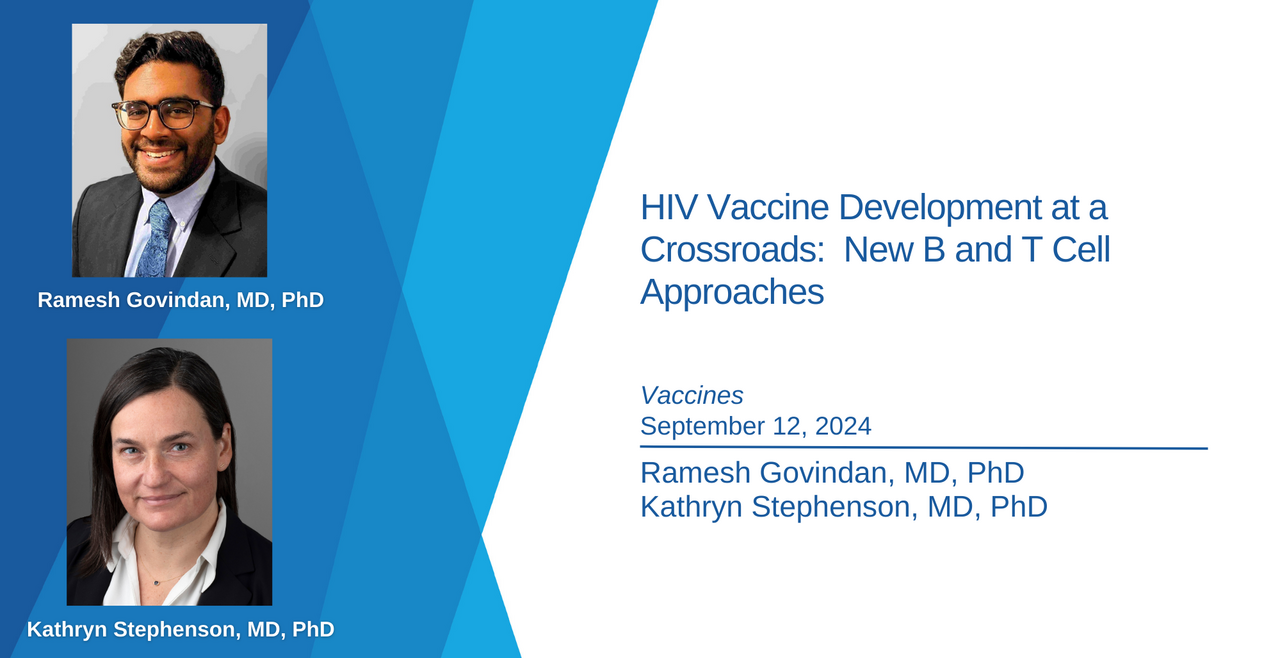
Kathryn Stephenson, MD, MPH
Kathryn Stephenson, MD, MPH
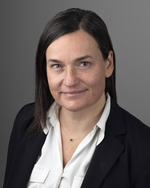
Dr. Stephenson is an Associate Professor of Medicine at Harvard Medical School and a physician-scientist at the Center for Virology and Vaccine Research and Division of Infectious Diseases at Beth Israel Deaconess Medical Center. Her expertise is in the design and leadership of clinical trials testing novel immunologic interventions for HIV and emerging infectious diseases like SARS-CoV-2 and Zika virus. She also conducts observational studies of respiratory virus epidemiology with a focus on in-depth virologic and immunologic characterization of viral infection and transmission. She is a member of the US HIV Vaccine Trials Network Scientific Governance Committee, the Massachusetts Consortium on Pathogen Readiness (MassCPR) and the Harvard University Center for AIDS Research (CFAR). Dr. Stephenson’s research group endeavors to be an inclusive and supportive environment that embraces mentees at every stage of training. Dr. Stephenson is Associate Director of the Harvard CFAR Development and Mentoring Core, the founding member of the Young Investigator Committee at the Center for Virology and Vaccine Research, and an ID365 Mentor for the Infectious Diseases Society of America. Trainees in her research group are supported to learn all aspects of clinical research design and conduct, including protocol writing, consenting of participants, administration of study products, collection of data, interpretation of results and manuscript preparation. All mentees are assisted in identifying their research interests and crafting their path forward to a meaningful career, including receipt of Scientific Leadership training awards and other opportunities through partners at the NIH HIV Vaccine Trials Network, the Harvard CFAR and MassCPR. In addition, Dr. Stephenson balances research and mentorship with attending on the inpatient infectious diseases consult service. Find out more about her research at https://research.bidmc.org/kathryn-stephenson. Learn more about Dr. Stephenson.
Dana Pepe, MD
Dana Pepe, MD, MPH
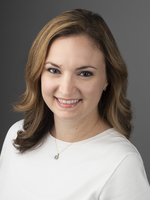
Dr. Pepe is a Medical Director of Infection Prevention and Control and Associate Hospital Epidemiologist at Beth Israel Deaconess Medical Center (BIDMC) in Boston, MA, and infectious diseases attending physician in the Division of Infectious Diseases. Prior to her medical training, she completed her Masters in Public Health (MPH) with a focus on environmental health sciences at Columbia University. After infectious diseases fellowship, she went on to pursue a Leadership in Epidemiology, Antimicrobial Stewardship and Public Health (LEAP) fellowship funded by CDC, where she worked with the Connecticut Department of Public Health on expanding healthcare-associated infections (HAI) reduction strategies. Dr. Pepe in also involved in sustainability efforts at BIDMC, with particular interest in the intersection between infection prevention and sustainability. Her other research interests include healthcare-associated infections, outbreak investigations, emerging infectious diseases, and One Health. Learn more about Dr. Pepe.
Todd Pollack, MD, FIDSA
Todd Pollack, MD, FIDSA
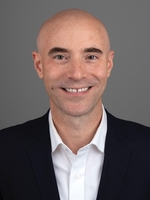
Dr. Pollack is an infectious diseases clinician at Beth Israel Deaconess Medical Center and Assistant Professor of Medicine at Harvard Medical School. His research focuses on strengthening health systems and expanding access to high-quality infectious disease care in low- and middle-income countries. His work centers on developing and evaluating innovative models of care that integrate HIV and hepatitis services into primary health systems using implementation science and people-centered approaches. His research is primarily based in Southeast Asia, where he collaborates with ministries of health and regional partners to support national policy development and health system reform. He is the Director of Infectious Diseases for the Program in Global Primary Health Care, a joint program of Harvard Medical School and the Division of Global Health Equity at Brigham and Women’s Hospital. He also co-leads the Lancet Global Health Commission on People-Centered Care for Universal Health Coverage, which generates evidence and policy guidance to help health systems better respond to the needs of individuals and communities. Learn more about Dr. Pollack.
Nira Pollock, MD, PhD
Nira Pollock, MD, PhD
Dr. Pollock is the Associate Medical Director of the Infectious Diseases Diagnostic Laboratory at Boston Children's Hospital and a faculty member of the Division of Infectious Diseases at Beth Israel Deaconess Medical Center (BIDMC) in Boston. She is an Associate Professor of Pathology at Harvard Medical School, with a joint appointment in Medicine. She completed her MD/PhD at the University of California, San Francisco; her medical residency at Brigham and Women's Hospital in Boston; and her infectious diseases/clinical microbiology fellowships at BIDMC.
Dr. Pollock has an active research program focused on the development and evaluation of novel diagnostics for infectious diseases and related applications. Her diagnostics research has spanned a range of diseases including C. difficile infection, active and latent tuberculosis, influenza, Lyme disease, sexually-transmitted infections, and Ebola virus disease (EVD), and has involved many different technologies, ranging from simple paper-based lateral flow and microfluidic platforms to novel automated platforms for protein and nucleic acid detection. Learn more about Dr. Pollock.
Conor Stack, MD
Conor Stack, MD
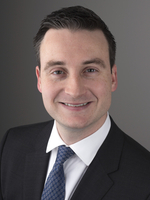
Dr. Stack's current interests are in studying and developing antimicrobial stewardship (AS) and quality improvement interventions designed to optimize antimicrobial prescribing. His recent research includes a study of hepatobiliary surgical site infections at BIDMC designed to determine if the antibiotic surgical prophylaxis guidelines in place at our institution are optimal. He has also led an investigation of risk factors for fluconazole non-susceptible Candida in order to validate an empiric treatment algorithm for candidemia at the institution. He is currently investigating the use of rapid multiplex viral PCR testing and its impact on antimicrobial use in immunocompromised patients. In addition to helping to develop the AS curriculum for fellows at BIDMC, Dr. Stack is also a member of a working group at the Infectious Diseases Society of America tasked with developing a national AS curriculum for infectious diseases fellows. His clinical interests are broad and include general and immunocompromised infectious diseases as well as HIV. Learn more about Dr. Stack.
Peter Weller, MD, FIDSA
Peter Weller, MD, FIDSA

Dr. Weller has many active areas of basic laboratory research centered around understanding basic mechanisms of leukocyte functioning in forms of inflammation. The two principal areas of investigation are:
- The immunobiology of eosinophilic leukocytes
- The intracellular regulation and compartmentalization of inducible mediators of inflammation in neutrophils and other leukocytes.
Studies of human eosinophils are aimed at defining mechanisms whereby eosinophils may collaboratively interact with other cellular elements of the immune system. These studies include investigations of the mechanisms whereby eosinophils may function as antigen-presenting cells in governing T-lymphocyte dependent immune responses, and include investigations of the in vivo migration and function of eosinophils and of the regulated expression of cell surface proteins involved in collaborative interactions between eosinophils and other cell types.
Additional studies are focused on defining the molecular mechanisms governing the synthesis, granule storage and release mechanisms of eosinophil derived cytokines. The roles of eosinophils in wound healing and fibrosis and the activities of chemokines and cytokines released by eosinophils that contribute to tissue remodeling are being studied. The second area of research involves the molecular and cellular biologic bases of inducible responses of leukocytes participating in host defense and other forms of inflammation. These are centered on a unique intracellular compartment, termed the lipid body, whose formation is rapidly inducible in leukocytes. The intracellular signaling mechanisms responsible for lipid body induction and especially the roles of lipid bodies as distinct sites of cytokine and eicosanoid mediator formation are being studied.
In addition to investigating previously undefined pathways of leukocyte responses to inflammation, these studies also offer the potential to identify novel anti-inflammatory therapeutic targets. Our research indicates that lipid bodies in leukocytes have roles as sites of regulated formation of eicosanoids and as distinct extranuclear sites of translation. The biology of these structures is intimately related to the roles of leukocytes in acute inflammation. Learn more about Dr. Weller.
Robin E. Wigmore, MD
Robin E. Wigmore, MD

Dr. Wigmore received her MD from The George Washington University. She completed her internal medicine residency at Tufts Medical Center. She had the honor of spending an additional year at Tufts Medical Center as Chief Resident. She then began her infectious disease fellowship at Beth Israel Deaconess Medical Center Disease in 2008 and joined as staff in 2010. Her focus is on both infectious diseases as well as general internal medicine with a joint appointment in primary care. Her interests include primary care of people living with HIV, hepatitis, tick borne illnesses, recurrent UTI’s, management of outpatient antibiotic therapy, and general infectious diseases.
In addition to weekly ambulatory clinics, she attends on the general, immunocompromised, and attending only inpatient services and enjoys her role in fellow education. Her interest in medical education also reaches to residents and students as she serves as the residency and medical student elective coordinator and clerkship director. She also coordinates the weekly HIV and primary care conference, which is funded through a New England AIDS Education Training Center (NEAETC) grant and provides a multidisciplinary arena to discuss challenges in HIV care as well as invited outside speakers from multiple divisions and regional medical centers. Learn more about Dr. Wigmore.
Sharon Wright, MD, MPH, FIDSA, FSHEA
Sharon Wright, MD, MPH
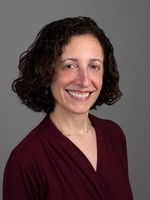
Dr. Wright is the Chief Infection Prevention Officer at Beth Israel Lahey Health where she oversees Infection Prevention & Control and Antimicrobial Stewardship teams across 14 hospitals, long-term care and behavioral health bedded units, and ambulatory care practices. Her work focuses on innovative strategies to reduce healthcare-associated infections, in particular novel approaches to reduction of central-line associated bloodstream infections, surgical site infections and outbreak management. She has developed training pathways for ID fellows, hospital epidemiologists and infection preventionists. Dr. Wright is a Past President of the Board of Trustees of the Society of Healthcare Epidemiology of America (SHEA). She was a member of the CDC’s Healthcare Infection Control Practices Advisory Committee (HICPAC) where she served as both Committee Chair and the Co-Chair of the Isolation Precautions Workgroup. Learn more about Dr. Wright
David Yassa, MD
David Yassa, M.D.
Body copy
Rebecca Zash, MD
Rebecca Zash, MD
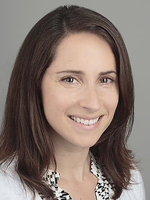
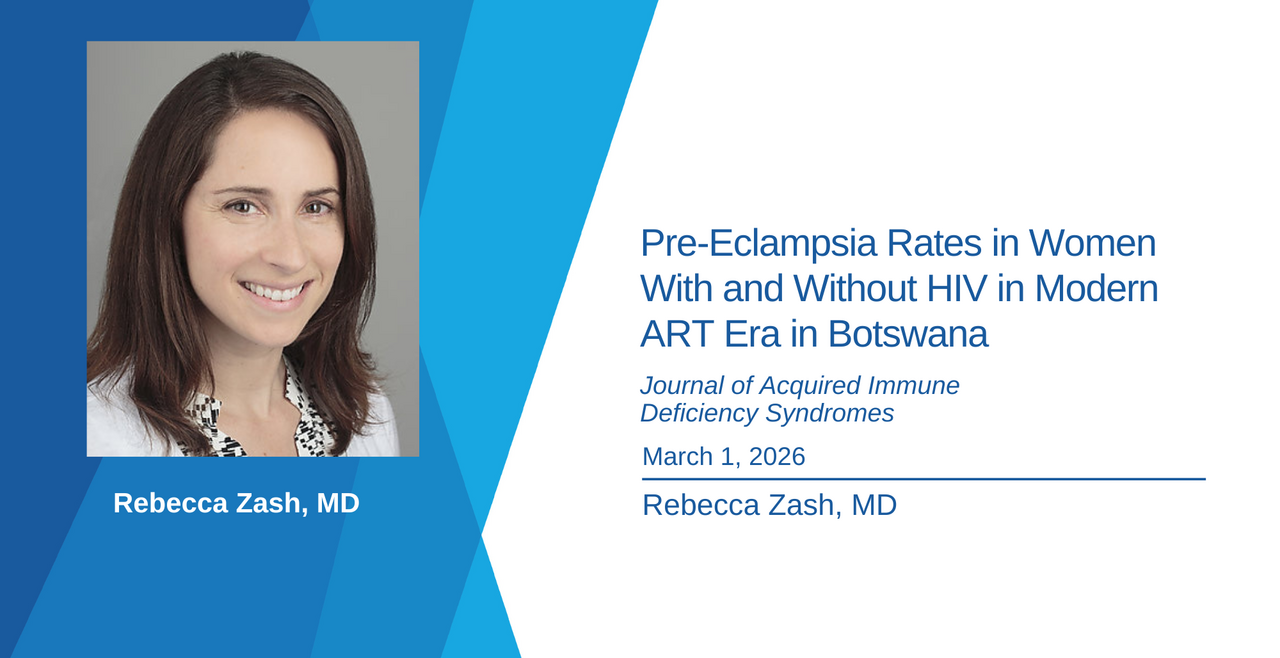
Dr. Zash is an Assistant Professor at Harvard Medical School, part of the Shapiro group at the Harvard TH Chan School of Public Health and a Research Associate with the Botswana Harvard AIDS Institute Partnership. The focus of her research is HIV in pregnancy and developing methodology to evaluate medication safety in pregnancy in low resource settings. Since 2014 she has helped to lead a large birth surveillance study in Botswana ('Tsepamo') to evaluate the safety of antiretroviral medication in pregnancy. Tsepamo collects information on a broad range of maternal and infant outcomes, from stillbirth and preterm delivery to maternal hypertension and anemia. High-profile findings from this study, about the association of dolutegravir and neural tube defects, have informed HIV treatment guidelines worldwide. Dr. Zash also leads a study to understand the mechanism of adverse birth outcomes among women with HIV on ART, with a focus on gestational hypertension, weight gain and endothelial dysfunction. In addition, Dr. Zash is a member of the DHHS Perinatal HIV Guidelines Committee and the Associate Director for Global Health Programs for the Internal Medicine Residency. Learn more about Dr. Zash.
